Mbulelo Mpofu, Sunday Life Reporter
ZIMBABWE has reaffirmed its dedication to the preservation of its cultural identity with a partnership between the Government and Unesco committing more than US$560 000 to support programmes under the intangible cultural heritage initiative.
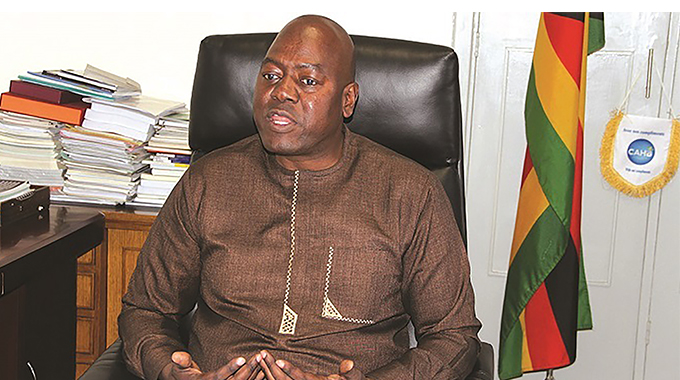
Delivering the keynote address at the National Gallery of Zimbabwe in Bulawayo on the occasion to mark the official launch of an awareness-raising campaign on the Unesco 2003 Convention for the Safeguarding of the Intangible Cultural Heritage (ICH), Permanent Secretary for Sport, Recreation, Arts and Culture Nicholas Moyo revealed that Unesco, through the Intangible Cultural Heritage Fund, contributed US$321 339 while the Government committed an additional US$240 515,20 to support the safeguarding initiatives.
The financial backing underscores a serious commitment to protecting Zimbabwe’s rich cultural expressions.
The permanent secretary paid tribute to the shared pledge towards this initiative, noting that Unesco’s contribution through the Intangible Cultural Heritage Fund was a testament to global recognition of Zimbabwe’s cultural wealth.
The event at the National Gallery brought together government officials, traditional leaders, heritage experts and cultural practitioners as part of a nationwide campaign to educate communities on the importance of preserving living heritage. It also highlighted a growing recognition that Zimbabwe’s traditions are not merely echoes of the past but vital resources capable of contributing to national development, social cohesion and economic growth..
Moyo described the initiative as a major milestone in Zimbabwe’s journey to protect its cultural identity while ensuring communities take ownership of safeguarding their heritage.
He emphasised that the program reflected the government’s resolve to place communities at the centre of cultural preservation.
“This event is a significant step in our collective efforts to preserve and promote the traditions and cultures of Zimbabweans. The awareness campaign, titled ‘Awareness Raising on the Importance of the Unesco 2003 Convention on Safeguarding of the Intangible Cultural Heritage among Traditional Leadership and Local
Communities in Zimbabwe’, has already been rolled out in eight provinces, with Bulawayo becoming the ninth,” Moyo said.
He further emphasised that the initiative aligns with President Mnangagwa’s “Ilizwe lakhiwa ngabanini balo” mantra, which encourages communities to become active guardians of their own heritage.
Moyo elaborated on the Unesco convention’s recognition of living cultural expressions passed from one generation to the next — including oral traditions, performing arts, rituals, festive events, social practices, traditional craftsmanship and indigenous knowledge related to nature and the universe.
Zimbabwe ratified the Unesco Convention in 2010, committing to protecting intangible cultural heritage through legislative, institutional and community-based mechanisms. To bolster these efforts, the government established the
National Intangible Cultural Heritage Committee, which provides technical expertise, advises on heritage matters and spearheads public awareness programs across the country.
Moyo highlighted that the committee plays a vital role in helping communities understand both the value and vulnerabilities of their living heritage amid an increasingly globalised world.
“This seminar serves as a crucial platform to raise awareness about the convention and its relevance to our urban communities. It provides an opportunity to reflect on how we can collectively protect and promote our living heritage while ensuring its transmission to future generations, even as we live in a global village,” he said.
Recognising the importance of language in meaningful participation, Moyo noted that summary versions of the Unesco Convention have been translated into several indigenous languages, including Ndebele, Tonga, Kalanga, Sotho, Khoisan and Zimbabwean Sign Language.
The translations aim to make heritage information accessible to local communities and persons with disabilities, ensuring inclusive participation in safeguarding cultural practices.
Zimbabwe’s growing recognition on Unesco’s representative list of the intangible cultural heritage of humanity includes the Mbira musical tradition and the Jerusarema Mbende Dance and announced that the government has also submitted a nomination dossier for the Amabhiza Dance, with a decision expected from Unesco in December 2027.
For Bulawayo, Moyo noted that intangible cultural heritage encompasses more than renowned dances — including rainmaking ceremonies, storytelling traditions, indigenous medicinal knowledge, traditional craftsmanship and everyday cultural practices that continue to shape community identity. These traditions are not only symbols of identity but also valuable resources capable of supporting tourism, sustainable livelihoods and social cohesion.
The event was attended by Permanent Secretary for Provincial Affairs and Devolution for Bulawayo Metropolitan Province Paul Nyoni (standing in for Minister Judith Ncube), traditional leaders led by Chief Deli, senior government officials, Unesco representatives and officials from the National Gallery and the National Arts Council.
In a speech read on her behalf by Nyoni, Minister Ncube described Bulawayo as Zimbabwe’s cradle of culture and heritage.
She emphasised that the awareness campaign was more than a ceremonial launch — it was a declaration of the government’s commitment to preserving the country’s living heritage for future generations.
“When we speak of Intangible Cultural Heritage, we speak of the soul of our nation. We speak of our oral traditions, our performing arts, our social practices, rituals, festive events, knowledge systems and traditional craftsmanship.
“These are the threads that weave the fabric of our identity,” she said.
The Minister warned that, while monuments, museums and historic buildings have traditionally received much attention, living cultural practices are increasingly vulnerable due to globalisation, rapid urbanization and changing lifestyles.
She stressed that safeguarding intangible cultural heritage has become more urgent, especially to prevent younger generations from becoming disconnected from traditional knowledge systems.
Linking heritage preservation to Zimbabwe’s constitutional devolution agenda, Minister Ncube explained that Section 264 of the Constitution offers provinces the opportunity to lead in preserving cultural diversity.
She said Bulawayo Metropolitan Province aims to harness devolution to empower communities to document their own heritage, allocate resources to culturally relevant programs, strengthen partnerships with traditional leaders and ensure heritage decisions reflect local priorities.
“Devolution is not just about infrastructure and budgets, it’s about cultural democracy — giving our people the power to define, protect and promote who they are,” she said.
The Minister challenged various sectors of society to act urging traditional leaders to remain steadfast as custodians of culture, youths to embrace indigenous knowledge, cultural practitioners to collaborate and utilise devolved funding and schools to integrate intangible cultural heritage into learning and extracurricular activities.
“Intangible cultural heritage lives in you. It’s in the stories your grandmother tells, the songs you sing at ceremonies, the way you prepare traditional food and the crafts you make with your hands,” she added.
The discussions are ongoing across the remaining provinces, with the government optimistic that the campaign will leave behind informed communities, empowered local structures and a renewed appreciation for the cultural practices that define Zimbabwe’s national identity.