


 tawandamusarurwa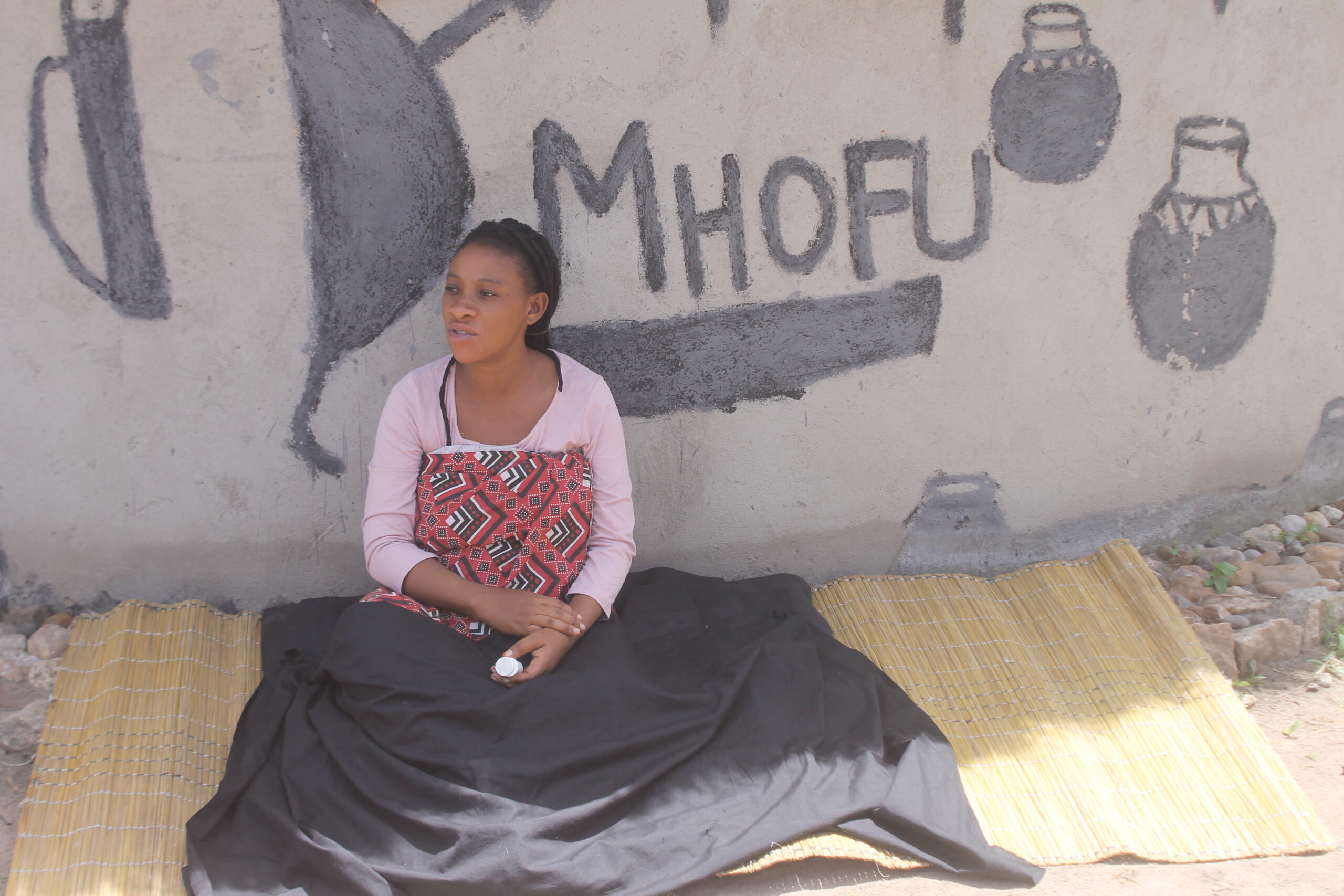
ON March 8, Zimbabwe joined the rest of the world in commemorating International Women’s Day (IWD). The day celebrates women’s social, economic, cultural and political achievements. Similarly, it was also set aside to bring to the public’s attention issues such as violence and abuse, gender equality and women’s reproductive rights. This year’s event ran under the theme “DigitALL: Innovation and technology for gender equality”. Our reporter, TENDAI CHARA (TC), spoke to Mrs Letwin Nyanguwo (LN), a traditional midwife and healer, on the role traditional midwives are playing in communities.
**********************
TC: The world is celebrating International Women’s Day and Women’s Month. As a mother, midwife and traditional healer, what do these commemorations mean to you?
LN: The commemorations mean a lot to me. Before I talk about traditional midwifery, I would like to say that, like most women, I am also a mother and a wife. So, like every other woman, these commemorations are of utmost importance to us since they bring to the fore issues that affect us as women.
Traditional midwives have been an integral part of African communities since time immemorial. They provide an essential primary healthcare service to pregnant women during emergency situations, when pregnant women do not have access to health services. In my case, I have helped more than 20 women in Mayambara, Chitungwiza, deliver.
But I encourage pregnant women to go to clinics when they want to deliver their babies. However, there are situations where it will be too late for an expectant mother to rush to the clinic. That is when our services come in handy.
TC: Do you think Government and the communities in which you are operating appreciate the services of traditional midwives?
LN: Government appreciates what we are doing. This is why we are being trained to operate in a safer and more professional way. The fact that expectant mothers seek our services means they have confidence in us. The majority of traditional housewives were trained and can safely help women deliver.
TC: What are some of the challenges you face as traditional midwives?
LN: The challenges have everything to do with recognition. Some sections of society do not understand and appreciate our contribution to the health delivery system. Some people are misinformed and believe traditional midwives offer services that expose the lives of expectant mothers to grave danger. The truth of the matter is that the majority of us were trained by medical officers who were seconded by Government through the Ministry of Health and Child Care.
As traditional midwives, we demand the recognition and respect we deserve.
TC: In your view, what are some of the things that women are getting wrong?
LN: Some women love money and material things to such an extent that they put their lives in great danger. Women should lead by example. The husband, children and communities at large look up to women to perform certain important functions such as raising children.
Some children are now abusing drugs, and, if we look at it closely, some mothers are to blame for this.
They do not have time with their children and also do not periodically check on them. Instead of counselling and guiding them, they spend a lot of time away from their children, chasing material things.
TC: As a traditional healer, what are the most common problems that women who seek your services face?
LN: I have noticed that more women than men frequently seek the services of both faith and traditional healers. In my view, this means women are facing more challenges than men. The major problems women who seek our services are facing are the inability to conceive and marital problems. We also have such diseases as breast and cervical cancer.
TC: Any parting words?
LN: As I said earlier, women play an important role in raising children. It is not an easy task. I urge women to work hard and stop depending on men for everything. Women must avoid gossiping and, instead, spend much of their time devising ways of uplifting themselves.
I urge all women to be strong and face all the life challenges head-on. I am particularly grateful to the First Lady, Dr Auxillia Mnangagwa, for championing the women’s cause.
She is a true champion.


 Bongani Ndlovu
 Online Reporter