


 Online Reporter
Chef Rudo Kandiero
FOOD plays a central role in African culture, bringing people together and fostering a sense of community in many African countries.
Exploring traditional African dishes and cooking methods can ignite a deeper appreciation for the people and places that make Africa unique.
Sadza is a staple in Zimbabwe. It can be made from maize meal or a variety of ground traditional grains such as rapoko (zviyo), pearl millet (mhunga) or sorghum (mapfunde).
Injera is a sourdough flatbread from Ethiopia, often served with stews or salads.
Tagine is a slow-cooked stew from North Africa, typically made with meat, vegetables and dried fruits.
Kuku paka is an East African coconut chicken curry.
Chicken is simmered in a rich, creamy sauce infused with spices, resulting in this flavourful dish.
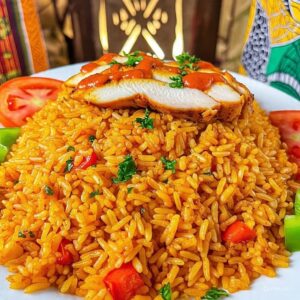
Jollof rice is a one-pot dish from West Africa made with rice, tomatoes and spices.
All the dishes mentioned above are organic and highly nutritious, which makes African cuisine a rich and healthy trendsetter.
Today, we have two recipes that you will find intriguing.
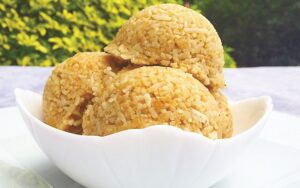
Peanut butter rice
Ingredients
Four cups rice, long grain;
Five cups water;
Salt to taste;
Three tablespoons peanut butter
Method
- Boil water in a pot and add salt.
- Wash and rinse the rice.
- Place the rice in a pot and add water until it is just above the level of the grain.
- Cover the pot and bring to a boil.
- Reduce the heat to low and let the rice simmer until it is cooked and all the water has been absorbed.
- Once the rice is cooked, fluff it up with a fork and add the peanut butter.
- Mix the peanut butter into the rice with a wooden spoon until it reaches a moulding texture. Steam for three minutes.
- Serve hot with stew or relish, or enjoy with tea for breakfast.
Jollof rice
This recipe serves six people. Preparation and cooking time is one hour.
Ingredients
Three cups long grain parboiled rice;
One-third cup vegetable oil;
One finely chopped large onion;
One diced red bell pepper;
One teaspoon thyme;
One teaspoon curry powder;
Salt to taste;
One teaspoon black pepper;
One teaspoon smoked paprika;
Two bay leaves;
Four cups chicken stock;
Half cup water;
Half teaspoon butter;
Tomato sauce
Four tomatoes;
Two red bell peppers;
Two tablespoons tomato paste;
One onion;
Two teaspoons stock cubes;
One teaspoon cayenne pepper
Method
- Blend the tomatoes, red bell peppers and onion until smooth.
- Heat the vegetable oil in a large pot over medium heat. Add the chopped onion and cook until softened. Stir in the thyme, curry powder, black pepper, smoked paprika and bay leaves. Let the spices toast for about one minute.
- Pour in the blended tomato mixture, along with the tomato paste and stock cubes. Cook for 20 minutes, stirring occasionally, until the sauce thickens and the oil begins to separate.
- Rinse the parboiled rice and stir it into the sauce, ensuring all the grains are well coated.
- Pour in the chicken stock and bring the mixture to a boil. Reduce the heat to low, cover the pot with a tight-fitting lid and let it cook for 30 minutes. Stir occasionally and add the half cup of water if the rice appears to be drying out before it is fully cooked.
- Stir in the butter for added richness. Cover the pot again and let it steam for another five minutes.
- Remove the bay leaves, fluff the rice gently with a fork and serve hot.
Rudo Kandiero is a qualified chef with a diploma in food preparation and culinary arts, patisserie and food safety. She can be contacted on 0772748509.



 Online Reporter