Online Reporter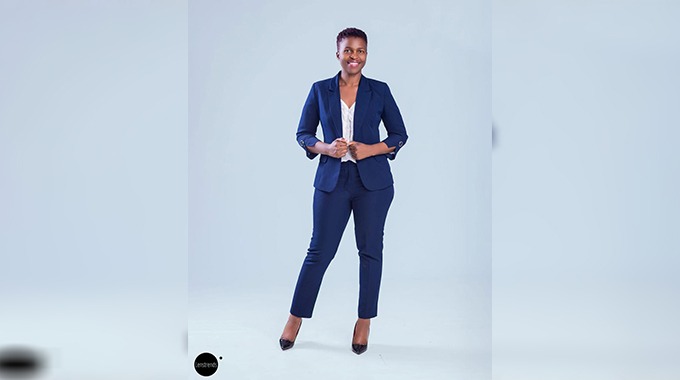
Robin Muchetu, Gender and Health Editor
WOMEN are making waves in the hospitality industry, with more and more of them excelling and taking up space.
The day-to-day traditional roles assigned to women in the home have been transformed into successful business ventures by enterprising females, who have used the resources they inherently possess to create recognised brands in this industry.
While many may assume women are disadvantaged by being ‘stuck’ in the home, performing the same chores of cooking, baking, cleaning, decorating, and hosting visitors, several women have changed that narrative of the ‘boring’ and perfected it, creating wealth through it.
Ms Nosizo Ncube, an entrepreneur in the hospitality industry, said women possess skills that have enabled them to flourish.
“Generally, women are taking up space in business, particularly in the hospitality industry, because naturally, they are more hospitable and do well in those areas. They have realised that what they are good at in the home, they can take to the market space and commercialise. They’re saying, when visitors come to their homes, they can look after them — so why not have a BnB or hotel? They can cook for their family even during family gatherings, so why not turn this into a catering business?” she said.
Ms Ncube added that ordinary skills have enabled women to go commercial and start their own enterprises, giving birth to several restaurants, cake shops, accommodation facilities, events décor businesses, and many more, all stemming from traditional roles in the home.
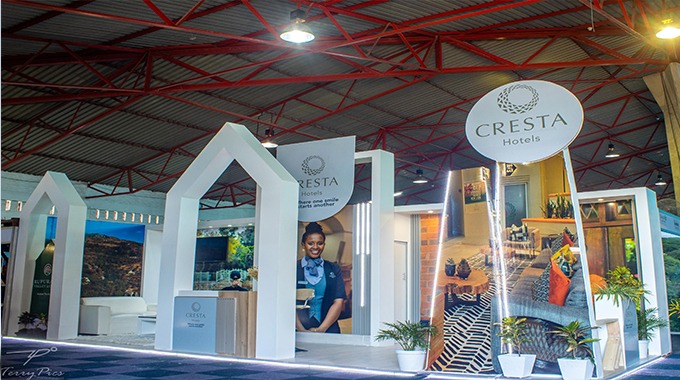
“Baking at home for family has developed renowned bakers in society, while decorating their homes has given rise to meticulous businesswomen who are now into event designing and so on. These skills, which they were socialised into, have been turned into commercial projects that have transformed the hospitality space. It has been that simple for women because they possess the art naturally,” she said.
Ms Ncube also noted that innovation has helped women sink their feet deeper and excel in the industry.
“Women are more innovative today because of competition. Before, you’d see the same women dominating the space for decades. Today, the competition demands that you become innovative to stay relevant. Women are pushing themselves to gain more skills to stay ahead, which is why we see so much innovation in women-owned businesses.
We now have access to the global market, and we see what other women are doing online, which helps us improve our products to ensure we stay competitive,” she said.
Ms Ncube highlighted the power of social media, which is linking women to the rest of the world, helping them appreciate what is trending in their industries.
Turning to access to financial products, Ms Ncube mentioned that financing remains a challenge in this sector.
“Generally, women have limited access to financial support. Both funding and the literacy around it, as well as how to manoeuvre the space, is difficult. I say this because most women do not have the collateral to get loans from banks.
Another issue is that in our circles, as women, we don’t discuss how to fund our businesses or where to get financial help. We often talk about our partners and children, but not about the deep financial conversations. We need to engage more and discuss our financial challenges,” she added.
This funding gap has resulted in businesses remaining small, even though they have the potential to grow with proper funding.
With over a decade of experience in the industry, Ms Ncube said the sector is not yet saturated.
“For example, in the events designing space, this market is not saturated because we do things differently. Let’s say there are 300 players, I sit in the top five. So when someone wants something clean, classy, and luxurious, they choose from the top five. If you do the ordinary, you’ll sit among the remaining 295 ordinary businesses, and the competition is stiff there. I encourage women to do exceptionally well in their businesses,” she said.
Women-run businesses also need to comply with the laws of the land, and Ms Ncube pointed out that a lack of financial literacy often leads to non-compliance. She said many women fail to comply with regulatory requirements simply because they have limited knowledge of where to go or what to comply with, which results in many businesses being shut down when confronted by law enforcement.
She stressed that education and conversations about how to survive legally in the business world would transform the hospitality and tourism sectors and help small businesses grow.
Lack of confidence in oneself is another challenge women in business face. Drawing from her personal experiences, Ms Ncube said it is important to believe in oneself despite any pressing life circumstances.
“I am recently divorced, and some women in the same situation might look at themselves and feel like they’re not woman enough. But no matter what space you are in, you must know that you are worthy and capable. Go into those spaces where you fear and build your confidence there. There’s no need for a pity party and doing nothing,” she said.
“Something that’s not often talked about is how we can be so successful outwardly but not confident inside. One may be divorced but still intelligent, innovative, and able to work. Some people let bad things overshadow their abilities. Women must confront those things that are not glorious about themselves. If I am divorced and ashamed of it, it can become a stumbling block for my business. I have learned to confront these challenges and move on. If I tell you that I am divorced, you cannot use that against me because I’m open about it, and I don’t let it weigh me down.”
Ms Ncube said the same applies to financial challenges or poor business decisions, urging women to quickly accept their challenges, rectify those they can, and move on.
During her divorce journey, Ms Ncube decided to write about the art of navigating through a difficult season.
“My difficult season was my divorce. It was tough, and I wanted to write about everything going on. Then I realised I was still in a victim mentality, which is very dangerous. I decided to stop wanting to write on social media about what the other person did to me. I realised that I also had my part to play and had to acknowledge that. I couldn’t go and slander anyone because of what I was going through. I took my power back and put all the differences in the past. As women, we sometimes like throwing pity parties and not taking responsibility for our mistakes,” she said.
Ms Ncube emphasised that women must not fall into society’s judgement or judge themselves during difficult times, as it impacts their work and business.