Online Reporter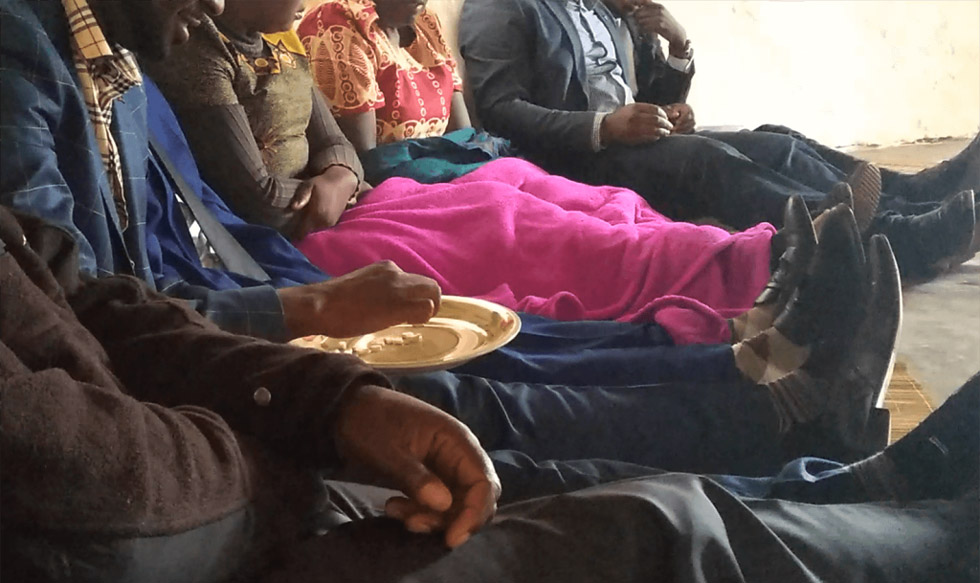
Rodgers Irimayi
Cultural Perspectives
IN Zimbabwe, family and community are cornerstones of societal stability.
For generations, traditional practices and cultural values have played a vital role in maintaining harmonious marriages and preventing divorce.
While modern influences and legal frameworks have evolved, many Zimbabweans still turn to age-old customs and practices rooted in their rich cultural heritage to resolve conflicts and sustain their unions.
Exploring these traditional methods reveals a deep-seated belief in community, spirituality, and mutual respect as key to averting divorce.
The cultural significance of marriage
Marriage is more than a union between two individuals. It is a social contract that binds families, clans, and communities.
It is rooted in principles of respect, communal harmony, and spiritual connection.
Traditionally, marriage involves elaborate ceremonies, rituals, and social obligations that emphasise unity and collective responsibility.
When conflicts arise, these cultural frameworks offer guidance and mechanisms to restore harmony, often preventing the breakdown of the marital relationship.
Traditional conflict resolution mechanisms
One of the most prominent ways to prevent divorce is through community-based conflict resolution.
Elders and community leaders serve as mediators, using dialogue, wisdom, and customary rituals to address marital disputes.
These elders draw upon their experience and cultural knowledge to facilitate reconciliation, emphasising forgiveness, understanding, and the importance of family cohesion.
In many rural areas, if a couple faces disagreements, they are summoned before aunts, village elders or traditional chiefs.
These elders listen to both parties, identify underlying issues, and often prescribe restorative actions such as reconciliation ceremonies, community apologies, or compensation.
The goal is to restore the social fabric of the family, which is seen as integral to societal stability.
The role of traditional marriage ceremonies
Traditional marriage ceremonies, like “roora” among the Shona or “lobola” (bride price), are more than symbolic rituals, they serve as ongoing commitments that reinforce marital bonds. The process of paying roora involves negotiations, community involvement, and blessings from elders, which create a sense of accountability and respect between families.
These ceremonies often include rituals that emphasise the couple’s responsibilities towards each other and their extended families.
When disagreements threaten the marriage, revisiting these ceremonies or involving family elders can serve as a reminder of the mutual commitments made, encouraging couples to work through their differences.
Ritual practices
Ritual practices are deeply embedded in Zimbabwean culture, and many traditional practices involve seeking guidance and protection for marriages.
For example, rituals such as “kurova guva” (ancestral offerings) or consulting traditional healers (“n’angas/sangomas”) can help identify causes of marital discord and prescribe remedies.
In cases where misunderstandings or curses are believed to be causing marital problems, these rituals and consultations aim to restore spiritual harmony.
Belief in ancestral spirits and their influence reinforces the importance of respecting cultural norms and resolving conflicts amicably.
The power of community and social pressure
In Zimbabwean society, community and family play a vital role in shaping behaviours and maintaining social order. The fear of social stigma and shame often motivates couples to seek reconciliation rather than divorce.
When conflicts arise, community members may intervene by advising, counselling, or encouraging couples to reconcile.
This social pressure acts as a deterrent against divorce, emphasizing the value of perseverance, respect, and collective responsibility.
The community’s involvement fosters accountability and reinforces the idea that marriage is a shared social asset that must be maintained for societal stability.
Traditional counselling and advice from elders
Elders and traditional counsellors often serve as advisors for married couples facing challenges.
They draw on cultural wisdom, stories, and proverbs to counsel couples to focus on forgiveness, patience, and mutual respect.
These traditional counselling sessions are conducted in a respectful, familial atmosphere, emphasizing the importance of maintaining harmony within the family.
The role of marriage in cultural sustainability
For many Zimbabweans, marriage is a cultural institution that sustains their way of life.
Traditional methods of conflict resolution and marriage preservation are intertwined with values of respect, community involvement, spirituality, and ancestral reverence.
These practices foster a sense of belonging and responsibility, making divorce an option of last resort.
Challenges and the need for integration
Despite the enduring strength of traditional methods, modern challenges such as urbanisation, changing social norms, and legal complexities sometimes undermine these practices.
Young couples in urban settings may be less connected to community elders or traditional rituals, leading to an increased likelihood of divorce.
There is a growing recognition of the need to integrate traditional conflict resolution mechanisms with modern legal frameworks.
This hybrid approach can offer comprehensive support to couples, respecting cultural practices while providing legal protection.
Tradition as a pillar of marital stability
Zimbabwe’s traditional ways of averting divorce reflect a profound respect for cultural values, community involvement, and spiritual beliefs.
These methods emphasise reconciliation, mutual respect, and collective responsibility, reinforcing the idea that marriage is a societal institution worth preserving.
As Zimbabwe continues to navigate the balance between tradition and modernity, preserving these cultural practices remains vital.
They serve as a testament to the resilience of Zimbabwean society and its commitment to maintaining strong, harmonious families.
Ultimately, tradition teaches that marriage is, not just a contract between two individuals, but a sacred bond that unites families, communities, and generations.
Rodgers Irimayi writes in his personal capacity and can be contacted on +263778246098 or [email protected]. He can also be followed on his YouTube channel, Culture Views with Judah Kalispokaz