


 peter
peter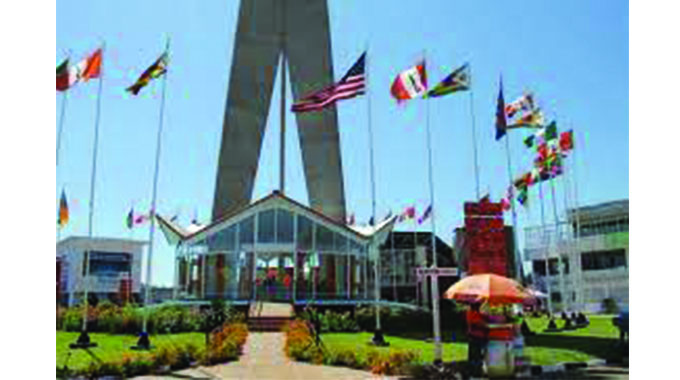
Judith Phiri, Business Reporter
BULAWAYO export-focused Small and Medium Enterprises (SMEs) have been urged to utilise the skills they acquired during the advanced export practice and trade finance for developed exporters training to strike deals with international buyers at the Zimbabwe International Trade Fair (ZITF).
The 63rd edition of the trade showcase is scheduled for 25 to 29 April at the Zimbabwe International Exhibition Centre in Bulawayo and this year it will run under the theme: “Transformative Innovation, Global Competitiveness.” SMEs underwent a three-day capacity-building training that began last Monday and ended on Wednesday. During the training, the SMEs were capacitated with the requirements which will help them understand the Economic Partnership Agreement (EPA) meant to promote trade between Eastern and Southern Africa and Europe.
In an interview on the sidelines of training, ZimTrade Southern Region client advisor, Mr Kudakwashe Tirivavi said the training was Level 2 for advanced export practice and trade finance for developed exporters.
“On the first day, the SMEs were trained on trade fair participation in any country they would go to, at the same time, it will allow them to be able to participate at ZITF effectively. As ZimTrade we have seen that there is a gap where companies attend trade fairs and they are not doing much business. We want to capacitate them so that they know how to conduct themselves at a trade fair, especially with the ZITF which is coming up where there will be international buyers coming to their stands,” said Mr Tirivavi.
Crown Agency principal consultant for Customs and Trade Facilitation, Mr Jon Walden said after the training his hope was that it will help exporters speak in the right terms to international buyers.
“International buyers tend to be fairly unforgiving and they want to hear people talk in professional terms, they want to be able to negotiate contracts using appropriate incoterms, which are a set of internationally recognised rules which define the responsibilities of sellers and buyers. Hence, professionalism is everything,” said Mr Walden.

He said the cost of doing international business whether a person is a buyer or seller was sometimes high. Mr Walden said if negotiations then become difficult, if contracts are difficult to agree on, if the transport is difficult to arrange and if there is customs non-compliance, this would add extra work and extra time.
He said the training was critical for the exporter to increase their export competitiveness when dealing with any markets.
Mr Walden said Zimbabweans products were one of the best and impressive, while the exporter had the enthusiasm and passion.
Zimbabwe is part of the group of countries in Eastern and Southern Africa (ESA) that signed the interim EPA (i-EPA) agreement with the European Union (EU) in 2009. The agreement is expected to boost bilateral trade and investment flows, thereby contributing to the creation of jobs and further economic growth in the ESA partners, while also promoting their sustainable development. To support the management and implementation of ZEPA, the Government of Zimbabwe commissioned the Technical Assistance (TA) to the Zimbabwe EPA Support Project (TAZEPA) in August 2018, which works in conjunction with ZimTrade to develop both new exporters and advanced exporters.


 Bongani Ndlovu
 Online Reporter