Online Reporter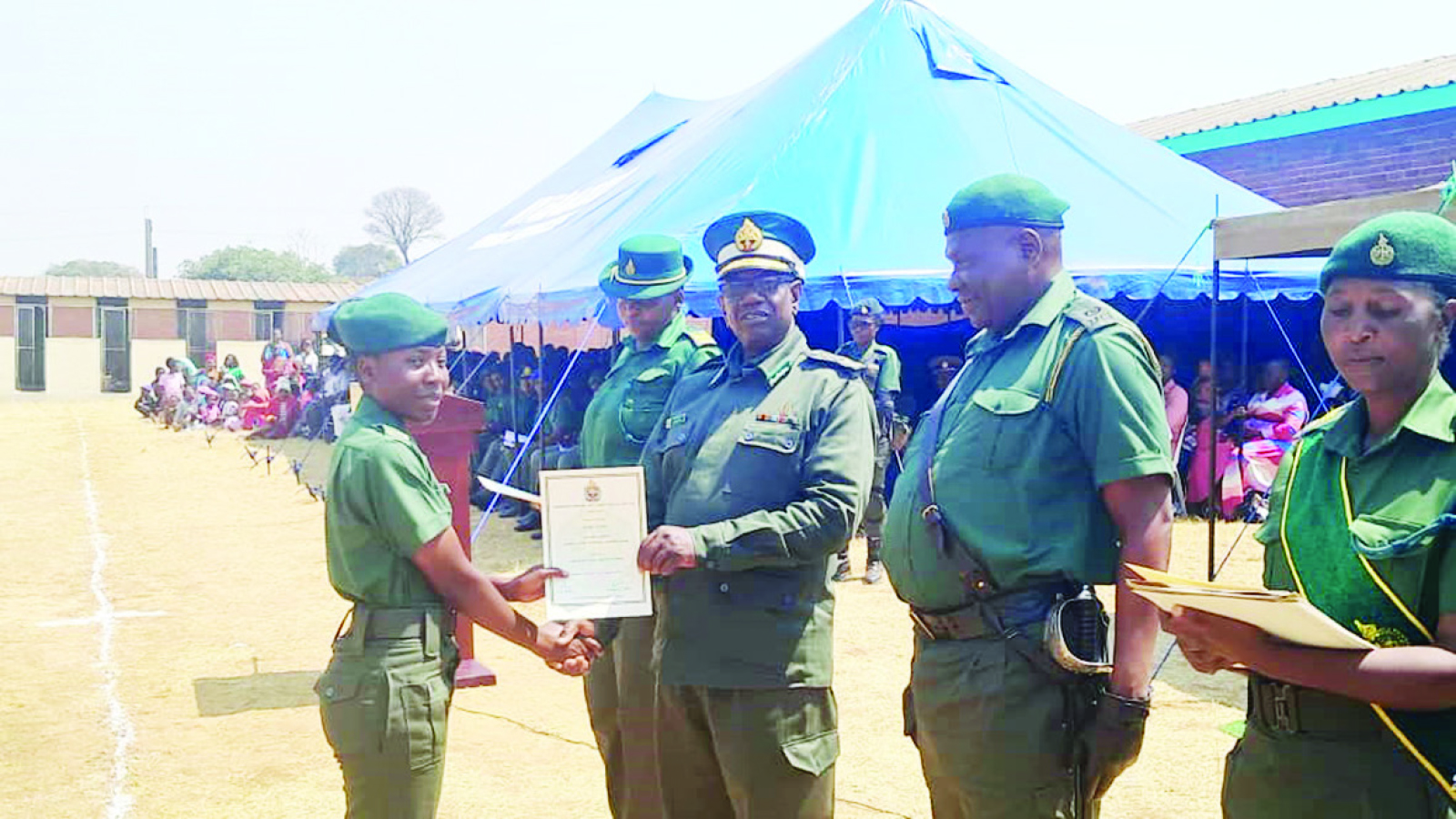
Arron Nyamayaro
THE training of more dogs to help in the fight against drug and substance abuse has intensified among all country’s relevant security agencies.
Commissioner General of Prisons and Correctional Service, Moses Chihobvu, revealed this at the Pass-Out Parade of the Basic Canine Trainer’s Course at Chikurubi Canine Training School.
About 19 officers, drawn from the Airforce of Zimbabwe and the Zimbabwe Prisons and Correctional Service, graduated.
Among the guests were officers from canine sections of the ZRP, Harare Municipal Police and Airforce of Zimbabwe.
In a speech, read on his behalf by his deputy, Social Ndanga, Comm-Gen Chihobvu said the use of trained sniffer dogs was key in the fight against drug and substance abuse.
“Allow me to underscore the critical role of the Canine Section within the ZPCS operational structure,” said Comm-Gen Chihobvu.
“Dogs are not just supplementary assets but are force multipliers.
“In our collective fight against drug and substance abuse, both within our institutions and in the broader community, dogs serve as an effective deterrent and enforcement tool.
“Their involvement enhances the integrity of our correctional environment and strengthens our commitment to a drug-free and effective correctional system.
“Moreover, with rising concerns around drug abuse among officers, inmates and even surrounding communities, canine operations can and should be extended beyond prison gates.
“These dogs can support joint operations with other law enforcement agencies and community outreach efforts, making them vital partners in our national response to this growing threat.”
Comm-Gen Chihobvu acknowledged the participation of two officers from the Airforce of Zimbabwe.
“Their inclusion highlights the growing collaboration between ZPCS and our sister security services in building capacity and promoting professional development across sectors.
“This is a commendable example of inter-agency synergy in national security and public safety.
“I take this opportunity to challenge and encourage more female officers to consider careers in this specialised field.
“Your participation is not only welcomed but essential given that diversity and inclusivity within our operational units strengthen the effectiveness and resilience of the organisation as a whole.”
He said the trainees underwent a rigorous and dynamic curriculum, combining both theoretical instruction and hands-on practical training.
Key modules covered included basic obedience commands, where dogs learn to respond promptly to commands, agility training, which is about developing the dogs’ physical fitness and coordination and training dogs for controlled aggression and suspect apprehension.
“I am glad to express that the dog displays we witnessed earlier were truly impressive and reflect the discipline, intelligence and loyalty that properly trained canines bring to security operations.
“As the old saying goes, ‘a dog is man’s best friend.’
“This is not only in companionship but also in service, protection and enforcement.”