admin
admin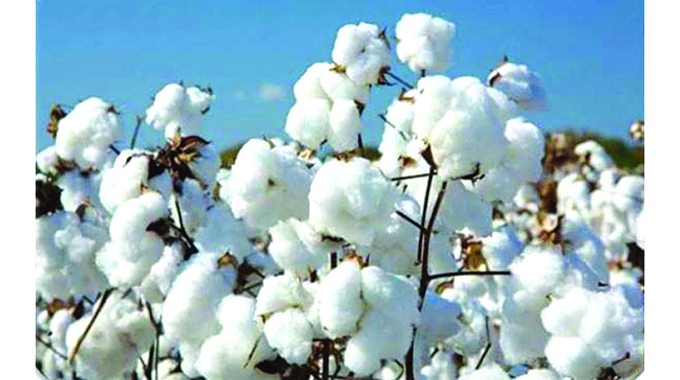
Edgar Vhera
Agriculture Specialist Writer
FOLLOWING the 381 percent expansion of the cotton hectarage this season, thanks to various support programmes, the Agricultural Advisory and Rural Development Services (AARDS) has challenged farmers to use proper agronomic practices and transform the increased hectarage into yields.
In a statement, AARDS said proper nutrient application in cotton would lead to improved production, productivity and profitability.
“Farmers must apply the right type, quantity, observe time of application and placement of fertiliser (the 4Rs) in order to keep the vital nutrients in the field,” read part of the statement.
The statement highlighted that the adoption of the 4Rs would help align the economic, environmental and social components of nutrition management.
AARDS’ call comes after several challenges such as poor soil fertility, seed germination and limited production knowledge by farmers that result in low yield were noted to be frustrating the production of the white gold in the country.
The average national cotton yield has been on a decline from a high of 1, 75 tonnes per hectare in 1980 to 0, 36 tonnes per hectare in 2021.
According to the statement, farmersmust start be sending soil samples for analysis, results of which will be used for fertiliser recommendation. The recommendations will further educate the farmer on target yields and management capability.
The cotton crop requires major nutrients of nitrogen, phosphate, potash, boron and other minor nutrients such as calcium, magnesium and sulphur that are essential for cotton growth and development.
The weekly AARDS report shows that farmers had by December 19 planted 90 971ha of cotton compared to 18 920ha in the corresponding time last year, marking a 381 percent increase.
All the registered seven contractors had registered 310 254 growers targeting 248 178ha, representing 64 percent of the target of 387 293ha.
Speaking at this year’s World Cotton Day in Harare, Cotton Research Institute head Mr Washington Mubvekeri urged farmers to use research based agronomic and crop protection technologies that are capable of promoting high productivity when used properly.
He said current global focus was on development of a compact cotton plant that had shorter internodes, better boll distribution, less bolls per plant, less plant stress, healthier bolls, higher boll retention and good fibre quality.
Mr Mubvekeri cited growing cotton in favourable/suitable agro-ecological regions, growing certified seed of tried and tested cotton varieties, planting early, weed and pest management, adherence to plant populations and provision of adequate nutrition among others as vital for sustainable cotton production practices.
Buoyed by the on-spot foreign currency payment method used in the 2022 cotton marketing season contractors are set to contract over 600 000 growers to produce seed cotton on 480 000 hectares in the forthcoming 2022/23 cropping season.
Government’s announcement that it will from next year start paying grade-based differential prices on seed cotton after an outcry from clothing and textile industry stakeholders on the poor quality of seed cotton produced by locally will further incentivise cotton farmers to take the fertility management programme seriously.



 Online Reporter