admin
admin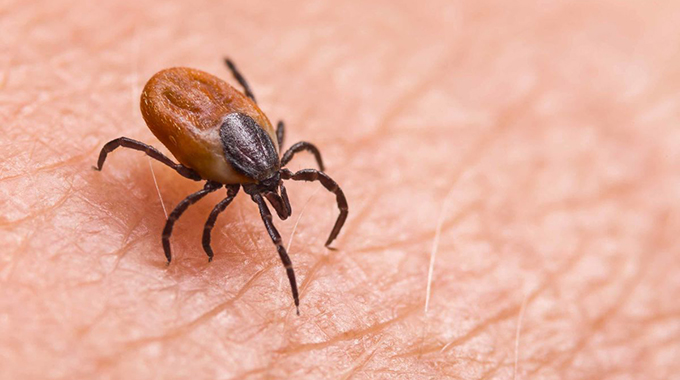
Elton Manguwo
EFFORTS to re-build the national herd continue to gain traction with a local company, National Kraal hosting an on-site animal health training programme to capacitate farmers with the technical knowledge on animal disease management to help reduce cattle mortality rates.
Speaking on the backdrop of the training held in Harare the National Kraal director and livestock specialist Christopher Magona said the public training programme was motivated by lessons, which the company had learnt over the years demonstrating that a lot of animals are lost to diseases such as Theileriosis (January disease).
“Improving animal health and reducing mortality rate is the key to accumulation and growth of the national herd, therefore it is important to have basic animal health management practices, especially on managing the problematic tick-borne diseases through prevention measures such as frequent dipping,” said Magona.
National Kraal intends to break misconceptions prevalent in most small-scale and starter farmers that January disease cannot be managed or treated.
The company director highlighted that the focus of the organisation was to practically simplify different aspects of livestock production and farming in general to improve professional farming participation and to ensure high profitability for beef farmers.
“National Kraal will continue to hold such trainings in all the provinces to complement efforts by the Government and other private sector players to improve food security in the country,” said Magona.
Small-scale farmers’ cattle constitute 90 percent of the country’s herd. This makes it crucial for them to be conversant with smart business practices to accelerate the charge towards achieving a middle income economy and improving livelihoods through ensuring sustainability in operations for continued production.
Livestock health management is therefore a very critical component of livestock production value chain.
“The gist of the training session was to simplify good animal health management practices that can be actualised to manage tick-borne and bacterial related diseases threatening the beef industry in Zimbabwe,” said Magona.
Farmers had the opportunity to appreciate a wide range of livestock health medicines against the most common beef cattle diseases and the use of some medicines were practically demonstrated.
Magona highlighted that the trainings would continue in all provinces to encourage participation of other private players in programmes to improve livestock production, particularly the national herd and food security in the country.
As the country moves to explore the European export markets, it is critical that diseases are managed effectively.



 Online Reporter