

 Online Reporter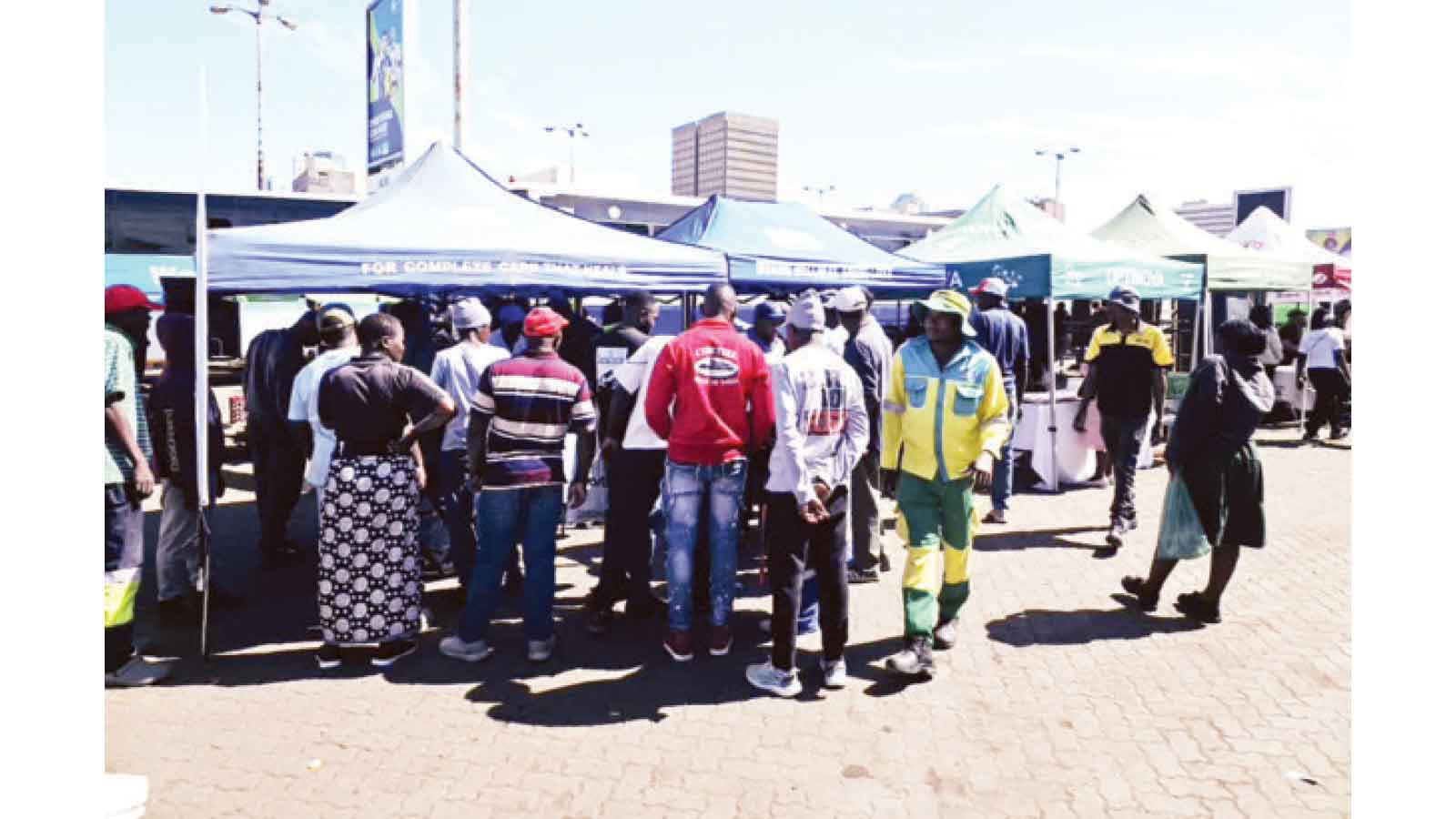
Herald Correspondent
AS the morning rush gathered pace at Simon Muzenda Rank in Harare last Friday, the usual sounds of engines revving, conductors calling out destinations and commuters hurrying to work were accompanied by something less common — medical examinations.
Instead of focusing solely on the next trip, dozens of public transport operators took time to undergo free health screening in an initiative aimed at promoting road safety through improved health and wellness.
The outreach programme, organised in partnership with Replete Care and transport operators, brought healthcare services directly to drivers and conductors whose demanding schedules often leave little time for medical check-ups.
From blood pressure and diabetes screening to general medical examinations, counselling on drug and substance abuse and sexual and reproductive health awareness, the initiative sought to address a critical, but often overlooked component of road safety — the health of those behind the wheel.
The programme comes against the backdrop of statistics showing that at least 92 percent of road accidents are caused by human error, proving the importance of ensuring that drivers are physically and mentally fit to operate passenger vehicles.
For many transport operators, the exercise provided a rare opportunity to assess their health status without sacrificing valuable working hours.
Zimbabwe Union of Drivers and Conductors vice-chairperson Mr Modekai Mutema said the initiative was particularly important because many drivers rarely have time to seek medical attention.
“We need drivers who are physically and mentally fit,” he said.
“There are diseases that require health specialists to detect early. It is important for us as transport providers to ensure our drivers are regularly checked because the lives of passengers are in their hands.”
The nature of the transport business, he said, often means operators spend long hours on the road, leaving little room for routine health visits.
“They start work very early and finish late. Most only visit health facilities when they are seriously ill, which is why programmes like this are critical,” he said.
For healthcare providers, the initiative represents more than a routine medical outreach programme.
Replete Care chief executive Mrs Janet Mandara said keeping transport operators healthy ultimately contributes to safer roads and protects the lives of passengers and other road users.
“We have brought together doctors, nurses and other healthcare providers who are conducting diabetes screening, blood pressure tests and other medical examinations,” she said.
Beyond physical health assessments, the programme also addressed behavioural factors that can affect driving performance.
Mrs Mandara said awareness campaigns on drug and substance abuse formed a key component of the outreach.
“We are also providing health education and distributing condoms as part of efforts to prevent the spread of sexually transmitted infections,” she said.
The initiative highlighted the growing recognition that road safety extends beyond vehicle inspections, traffic regulations and enforcement measures.
Health experts have long warned that untreated medical conditions such as hypertension, diabetes, fatigue and substance abuse can impair judgement, reaction times and overall driving performance.
By bringing healthcare services directly to transport hubs, organisers hope to encourage operators to prioritise preventive healthcare and seek treatment before medical conditions become serious.
Drivers who participated in the programme welcomed the initiative, saying it helped them understand the importance of maintaining good health while carrying out their daily responsibilities.
One of the beneficiaries, Mr Trevor Ngonidzashe, said knowing one’s health status was essential for both personal wellbeing and passenger safety.
“It is important for us to know our health status because our wellbeing affects the safety of our passengers. We should maintain good health and continue to drive safely,” he said.
For many at the busy terminus, the health checks served as a reminder that every safe journey begins not only with a roadworthy vehicle, but also with a healthy driver.
As Zimbabwe continues to pursue measures aimed at reducing road traffic accidents, initiatives that place driver wellness at the centre of road safety efforts may prove just as important as improvements in infrastructure and law enforcement.
After all, the health of the people behind the wheel can make the difference between a safe arrival and a tragic journey.


 Bongani Ndlovu