Online Reporter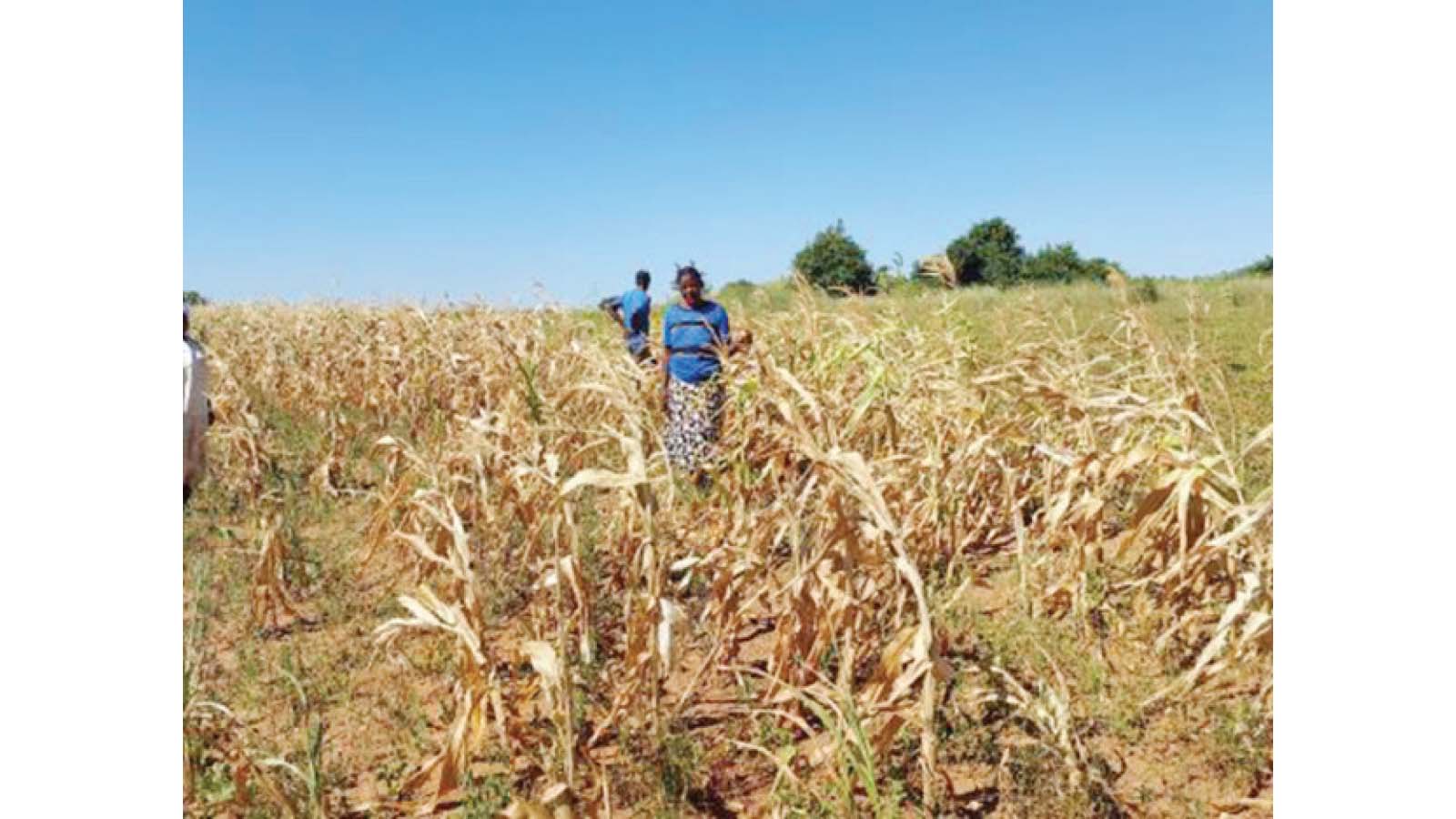
Michael Tome
Business Reporter
THE Government has signalled plans to renew its sovereign drought insurance cover with the African Risk Capacity (ARC) Group, as weather forecasts point to a possible El Niño during the 2026/2027 agricultural season.
Finance, Economic Development and Investment Promotion Minister Professor Mthuli Ncube said purchasing climate insurance is a key component of the Government’s strategy to strengthen resilience against extreme weather events, adding that Treasury would once again secure cover from ARC ahead of the coming farming season.
“Still on that issue of climate proofing, are we making any premiums to ARC? That’s an important point,” he said. “One of the strategies for dealing with climate change is purchasing insurance.
“So, we will be purchasing insurance from ARC again this year to prepare for El Niño.”
Prof Ncube said the Government was developing an agricultural insurance product under which farmers would contribute subsidised premiums, with the State providing additional support to improve affordability and coverage.
“Remember, ARC is a sovereign insurance. We’re also developing it at the level of the farmer, where the farmer also pays a subsidised insurance premium,” he said.
The programme was initially piloted in Goromonzi district, where farmers paid US$15 for insurance cover of up to US$300.
The initiative has since been expanded to other areas, with the Government targeting nationwide coverage.
“We want to cover all the districts. Where a farmer needs the insurance, they should be able to access it. We as Government stand ready to subsidise the premiums,” Prof Ncube said.
He said Treasury was still engaging private sector players, particularly insurance companies, to determine the structure and level of Government support required under the expanded farmer insurance scheme.
“We want to think about further subsidising so that it is easier for them to access the insurance. We haven’t come up with an amount yet. We are still engaging the private sector, the insurance sector, which is providing insurance in the first place,” he said.
This move by Treasury comes as the 2026/2027 rainy season (October to March) in southern Africa faces a high probability (80 to 90 percent) of emerging El Niño conditions, which are historically linked to below-average rainfall, extreme heat and drought.
Data indicates that this event could range from a moderate to a super El Niño, and the authorities are intensifying measures to protect food security and shield vulnerable communities from climate-related shocks.
Zimbabwe, southern Zambia, southern Malawi and south-central Mozambique have been identified as hotspots at the highest risk of severe weather disruptions, crop failure and water scarcity.
The dry conditions are expected to stress staple crops like maize and limit planting yields.
Zimbabwe received a US$31,8 million drought insurance payout from ARC in 2024, following a severe El Niño-induced agricultural failure during the 2023/2024 summer cropping season.
The payout provided critical support to more than 508 435 vulnerable households across 27 districts affected by drought conditions, with funding channelled towards early response measures, food assistance and livelihood recovery programmes.
Of the total payout, the Government received US$16,8 million to complement drought response interventions, while humanitarian partners received the remaining funds through ARC replica arrangements.
The World Food Programme received US$6,1 million to provide food assistance in selected drought-affected districts, while Start Network received US$8,9 million to support local humanitarian interventions and livelihood restoration programmes.
Start Network’s Zimbabwe response included partners such as Zimbabwe Project Trust, Catholic Relief Services, Family Aids Caring Trust and Action Against Hunger.
Beyond sovereign insurance, the Government is also working on expanding climate insurance access to individual farmers through a micro-insurance model aimed at protecting smallholder producers from weather-related losses.
The renewed focus on climate insurance comes amid growing concerns over the impact of climate change on agricultural production, with El Niño events historically associated with reduced rainfall, crop failures and increased food insecurity in Southern Africa.
Commenting on the development, the chief director in the Ministry of Environment, Climate and Wildlife, Mr Washington Zhakata, praised the Government’s proactive approach.
“Zimbabwe’s payment of a premium to the African Risk Capacity (ARC), an African Union insurance initiative to transfer the risks of climate-induced droughts, is very commendable, as this will cushion farmers and Zimbabwe at large from the forecasted El Niño phenomenon which will characterise the 2026/2027 cropping season,” he said.
“As you may be aware, El Niño in Southern Africa is dominated by below-normal rainfall, dry spells and drought; hence, an insurance cover against such a scenario will help to unlock a monetary payout for the resultant crop failures.
“This is one of the contemporary climate change adaptation strategies that we can employ to counter the anticipated El Niño adverse impact, and we are grateful to the Ministry of Finance, Economic Development and Investment Promotion for subscribing to this ARC insurance initiative.”
ARC provides sovereign disaster risk financing solutions that enable member states to prepare for and respond quickly to climate-related disasters through predictable financial support.
The organisation helps governments strengthen disaster risk management systems and reduce the impact of shocks on vulnerable populations.
Zimbabwe has been an ARC member since 2012 and has previously relied on the facility as part of broader efforts to manage climate risks affecting agriculture, which remains highly vulnerable to droughts and erratic rainfall patterns.