Online Reporter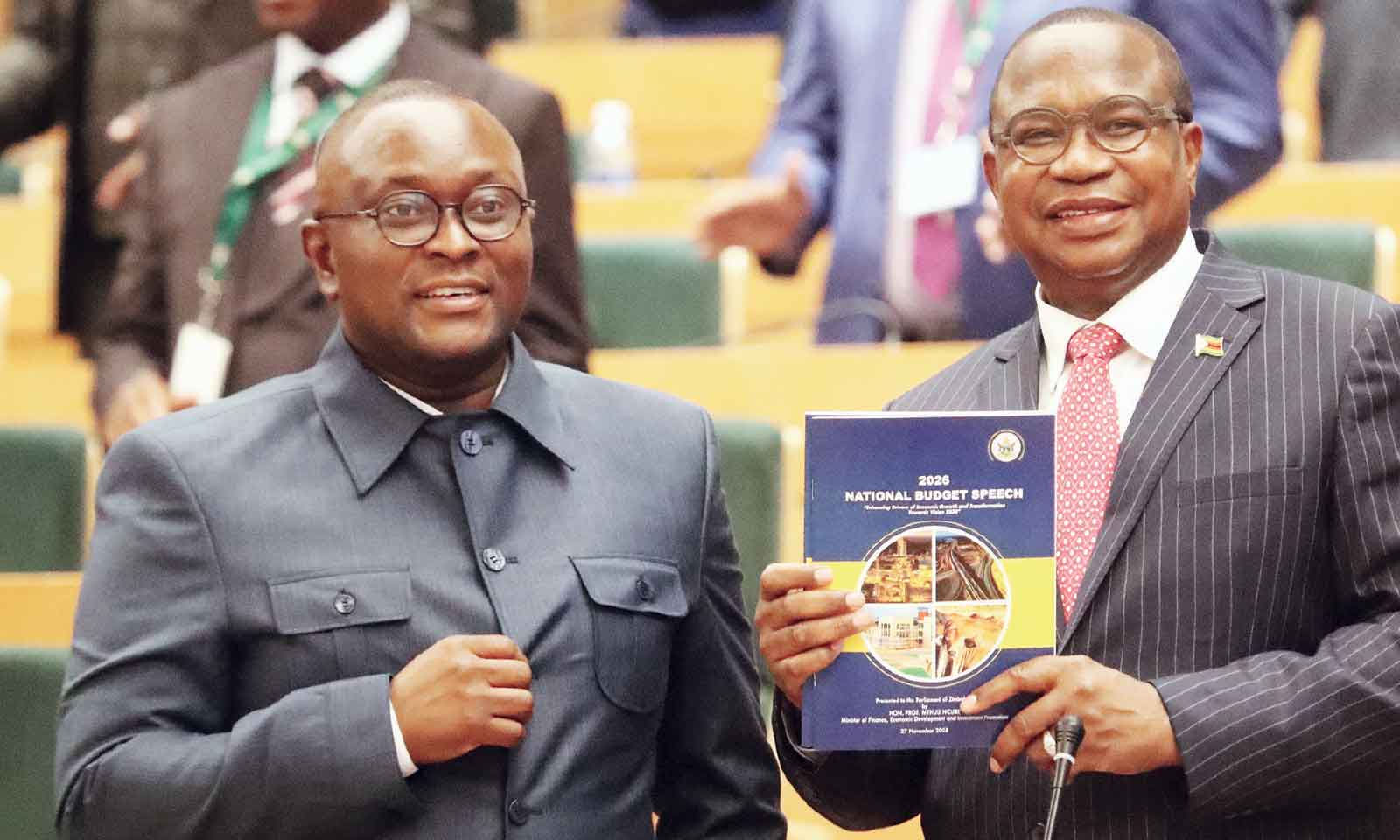
Judith Phiri
Zimpapers Business Hub
ZIMBABWE’s annual local currency inflation is projected to hit single-digit figures by the first quarter of next year, a milestone not achieved since 1997, Finance, Economic Development and Investment Promotion Minister Professor Mthuli Ncube has said.
Presenting the 2026 National Budget in Parliament yesterday, Prof Ncube expressed strong confidence in the economic outlook.
He said inflation is anticipated to fall to around 10 percent before the end of the current year, setting the stage for the crucial drop into single digits in early 2026.
“And if this happens, Mr Speaker Sir, that would be the first time that we will have achieved that kind of single-digit domestic inflation since 1997,” said Prof Ncube.
He said the trend reflects anchored inflation expectations, currency and exchange rate stability, as well as strengthened monetary fiscal policy co-ordination.
Zimbabwe’s annual inflation has been highly volatile, with a significant recent drop to 19 percent in November 2025 from 82,7 percent in September, the lowest since December 2023.
“Sustained deceleration in ZiG inflation in 2025 implies broad price and exchange rate stability, laying a strong foundation for single-digit inflation and macroeconomic stability in 2026 and beyond,” Prof Ncube said.
“Inflation developments in 2025 reflect the cumulative positive impact of prudent fiscal policy, sustained tight monetary policy and proactive money supply management. Monthly ZiG inflation remained relatively stable, averaging 0,4 percent during the period February to October 2025.”
Prof Ncube said the inflation stability underscores the effectiveness of policies aimed at anchoring inflation and exchange rate depreciation in the economy.
“Improved domestic food supply further dampened inflationary pressures. The sustained implementation of a tight monetary policy stance since September 2024 has firmly anchored price and exchange rate stability,” he added.
“This stability was further reinforced during the Mid-Term Monetary Policy Review through the deployment of NNCDs as part of enhanced liquidity management.”
Further, the Minister said the economy benefitted from significant foreign currency inflows from exports, particularly tobacco, gold and platinum.
He said the 2024-25 favourable agricultural season contributed to price and exchange rate stability through increased domestic food supply.
Economic analyst, Mr Reginald Shoko, said it is possible to achieve single-digit inflation levels by aligning fiscal and monetary policies to support agriculture and currency stability, which creates a powerful anti-inflationary effect.
“This also fosters broader economic confidence and predictable planning for businesses and consumers. A bountiful agricultural harvest boosts food supply and directly reduces key consumer price index components.
“Simultaneously, a stable exchange rate prevents imported inflation by making foreign goods, fuel and inputs cheaper. This dual mechanism increases domestic supply while containing cost-push pressures. The result is a controlled price level, moving inflation into single digits,” he said.
Zimbabwe National Chamber of Commerce (ZNCC) Matabeleland Chapter past vice president and businessman, Mr Louis Herbst, said Prof Ncube’s projection that inflation will decline to single-digit levels in 2026, with an annual average estimate of 12.1 per cent, reflects a balanced position.
“It recognises the aspiration towards single digits, while grounding the expectation in a more realistic mid-teen environment. In that sense, the projection is internally consistent with what we are already observing,” he said.
“Anchored inflation expectations, greater currency stability under the ZiG, and improved coordination between fiscal and monetary authorities…those factors do support a sustained downward trend.”
Mr Herbst, however, said the credibility of the projection hinges on whether the current discipline can be maintained, tight money supply management, a stable exchange rate and continued avoidance of quasi-fiscal pressures.
He said these are all attainable if policy consistency holds and there is a need to remain mindful of the regional and global context.
“The ripple effects of international trade tensions and tariffs, along with South Africa’s deteriorating relationship with the United States, introduce external risks that Zimbabwe cannot fully insulate itself from.
“Any knock-on effects on trade flows, investment sentiment, or regional currency dynamics could influence domestic inflation, even if internal policies remain sound,” Mr Herbst said.
“So, taking everything into account, the projection of a 12,1 percent average rate with a possible drift towards single digits is broadly realistic, provided that both domestic discipline and external stability co-operate. It is an honest midpoint between aspiration and practicality and, based on current trends, it is not an unreasonable forecast.”