Online Reporter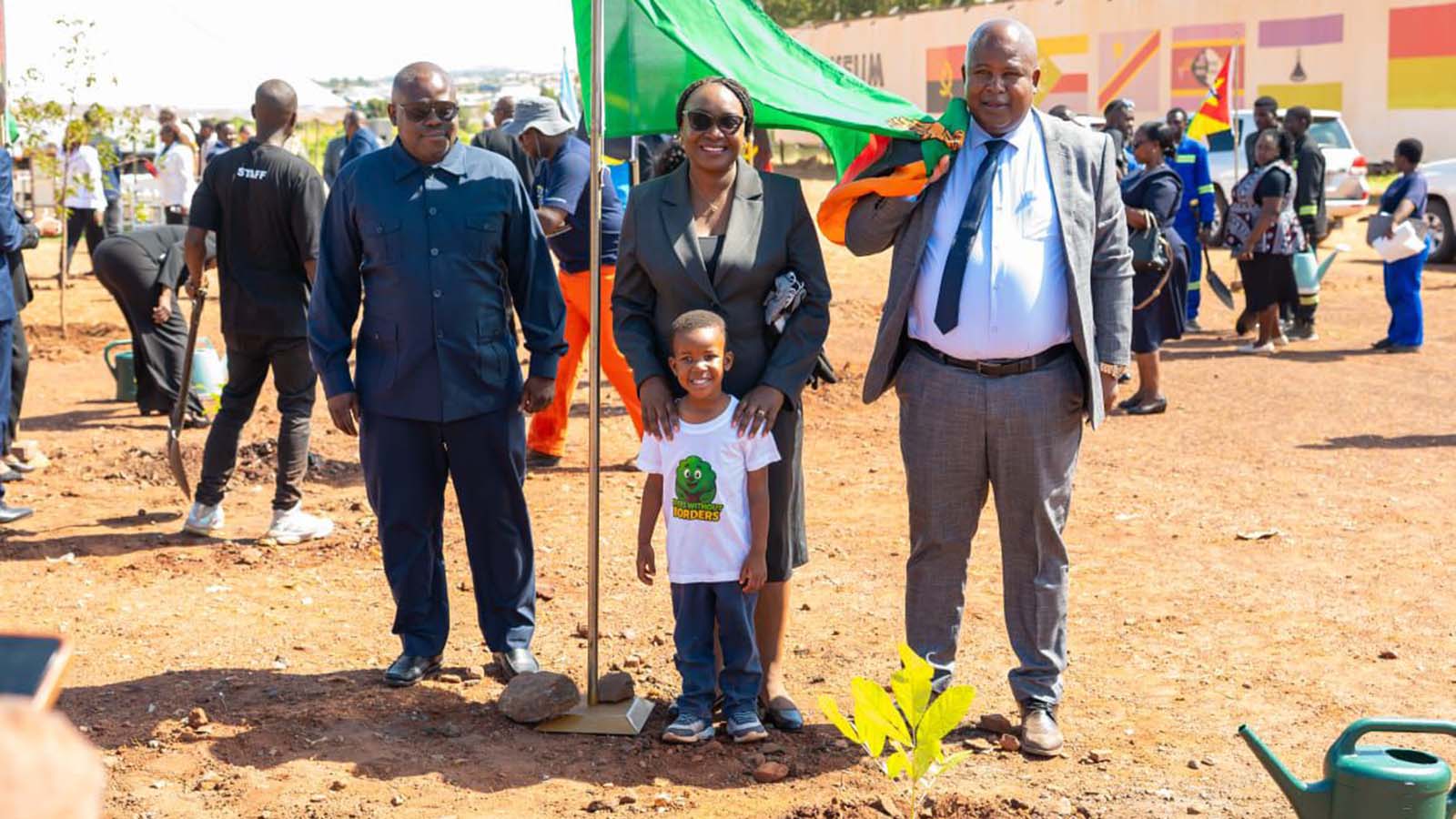
Takunda Gambiza
Herald Reporter
THE Trees Without Borders initiative has intensified efforts to promote environmental sustainability across Africa, using the Sadc Liberation Day Commemoration to highlight the link between freedom and ecological stewardship.
The commemorations, held at Zimbabwe’s Museum of the Liberation and hosted by the Ministry of Foreign Affairs and International Trade, brought together Sadc ambassadors who planted Mumvee trees as a symbol of resilience, unity and sustainable development.
Trees Without Borders founding patron, Mr Bob Riyete Mavende, said the initiative is focused on planting millions of indigenous trees across the continent while fostering community participation and a culture of conservation.
“We are planting millions of trees across Africa to promote environmental stewardship, regional cooperation and sustainable development, with a strong focus on indigenous species and community engagement,” he said.
Mr Mavende said the participation at the Liberation Day event was deliberate, linking the region’s history of independence with the need to safeguard natural resources.
“Our region’s freedom is tied to the health of our environment. True liberation includes protecting the environment for future generations,” he said.
He added that the Mumvee tree, planted by ambassadors from countries including Angola, Botswana, Zambia and Mozambique, symbolises resilience and long-term benefits to communities.
“These trees represent the strength and sustainability we want for our region,” said Mr Mavende.
The initiative also aligns with Zimbabwe’s National Development Strategy 2 (NDS2), particularly on environmental protection and climate resilience.
“We are contributing to national and regional goals by supporting climate resilience and sustainable development,” he said.
Mr Mavende emphasised the importance of diplomatic engagement in scaling the programme, noting that partnerships with SADC envoys will help expand the initiative across Africa.
“Environmental challenges transcend borders, and working with regional partners allows us to scale impact and share best practices,” he said.
He said the next phase will focus on strengthening partnerships, expanding tree-planting programmes and deepening community involvement to ensure lasting environmental impact across the continent.