

 admin
admin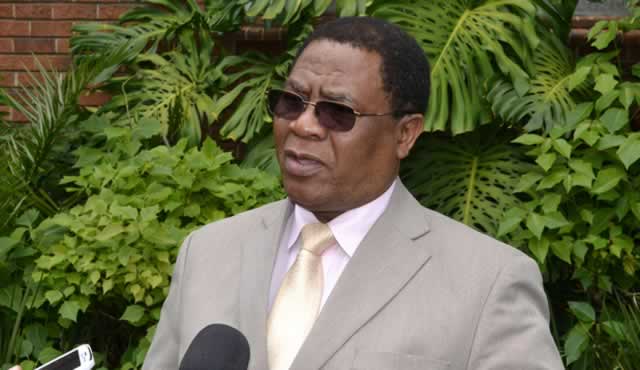
Prosper Ndlovu Business Editor
WITH only a day left before the official launch of the historic Comesa-EAC-Sadc Free Trade Area (FTA), the African leadership has been urged to speed up integration efforts to boost regional economic growth and create jobs.
Speaking at Sharm El Sheikh in Egypt on Sunday after the opening of a meeting of technical officers in preparation for tomorrow’s launch by Heads of State, Sindiso Ngwenya, who chairs the Comesa-EAC-Sadc Tripartite Task Force, said the upsurge of illegal migration out of Africa and its attendant risks was testimony of the youth frustration in getting employment.
Africa has the world’s youngest population at over 60 percent of its population.
The Zimbabwean-born Ngwenya, who is also the secretary general of Comesa, said the Tripartite FTA launch was historic as it will have great outcomes in the region and beyond.
“The FTA will ensure that jobs are created as companies involved in the production of goods and services across borders will be established in the region to take advantage of the wider market base of 26 member States with a population of 625 million people and a Gross Domestic Product of $ 1.3 trillion,” he said.
The African leadership, added Ngwenya, will need to speed up the implementation of the integration agenda as the continent urgently needs to create jobs for the over 60 percent of its population who are the youth.
The final steps towards the launching of the tripartite FTA began in Sharm El Sheikh on Sunday with a meeting by the joint tripartite sectoral ministerial committee responsible for legal, trade, finance, economic matters and home affairs.
The senior team discussed the launch documents, implementation roadmap and a schedule of negotiations on outstanding issues among others in preparation for the Heads of State Summit.
The tripartite council of ministers was yesterday expected to adopt the report of senior officials.
The African continent is banking hopes on the realisation of the Comesa-EAC-Sadc tripartite FTA as the building block towards the continent wide free trade area (CFTA).
Ngwenya said free movement of people across borders was key on the agenda for the tripartite as part of efforts to stimulate business development and investment opportunities for the three regions.
The Comesa secretary general has allayed fears over the new trade regime saying the move should be viewed as an opportunity and not a threat.
The Comesa-EAC-SadcTripartite FTA will allow businesses to trade freely and cheaply.
Ngwenya said this was significant given that multiple trade regimes usually result in expensive business deals while a one and harmonised trade regime will allow for cheap business deals.
Tripartite countries account for half (26) of the Membership of the AU with a Gross Domestic Product of about $1.3 trillion, a population of 625 million and a combined landmass of 17 million square kilometres.
Comesa alone brings to the tripartite table 19-member states, a population of over 490 million, an annual import bill of around $150 billion and an export bill of $82 billion.
The tripartite strategy consists of designing and implementing the Tripartite FTA, the preparation of a trade and transport facilitation programme elaboration of a regional industrial development programme, the design and implementation of trade and transport infrastructure projects along corridors and free movement of business persons across the regional economic communities.
The decision to establish the Comesa-EAC-Sadc tripartite was informed by overlapping membership of the States to the three regional economic communities (RECs).
During their summit in 2008, the Heads of State of the three RECs decided, that to overcome this challenge, there was a need to establish a single FTA for the 26 countries that constitute the membership.
The Heads of State launched negotiations for the establishment of the Comesa-EAC-Sadc Tripartite Free Trade Area in 2011 and agreed that these negotiations should be completed by 2014.



 Bongani Ndlovu
 Online Reporter