Online Reporter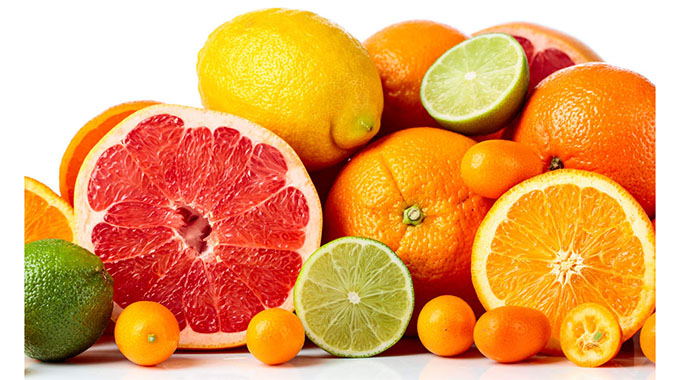
Walk down the aisles of a Trader Joe’s or Whole Foods Market in the US, and chances are many of the piles of oranges, lemons, limes and grapefruit will be labelled “Produce of South Africa”.
They have become a staple in the US, the world’s largest citrus importer, especially during the off-season summer months when in the Southern Hemisphere the South African winter harvest is at its peak.
But now, those supplies are threatened by a potential 31 percent tariff that President Donald Trump has said will go into effect tomorrow, adding that he won’t consider delaying the deadline.
The looming levy has cast a cloud over the sunny valleys of Citrusdal, a tiny, serene farming town nestled amid rolling green hillocks in the Western Cape area of South Africa.
Tucked into the base of the Cederberg mountains about 100 miles north of Cape Town, the area is dominated by citrus farms, giving the town its name.
For a quarter century, the juicy produce of the area’s orchards, owned over generations by people mostly of Afrikaner heritage, has journeyed thousands of miles to make it to the fruit bowls of American homes.
But this season is different. Now, Trump’s tariff policies are threatening the very same White farmers to whom he offered asylum, falsely claiming that they are targets of a genocide and that their land is being seized by the state.
The levies are likely to have a debilitating impact on their operations, the livelihoods of the thousands of people they employ and the country’s R35 billion (US$2 billion) citrus industry, one of the rare bright spots in South Africa’s stagnant economy. — Bloomberg