Online Reporter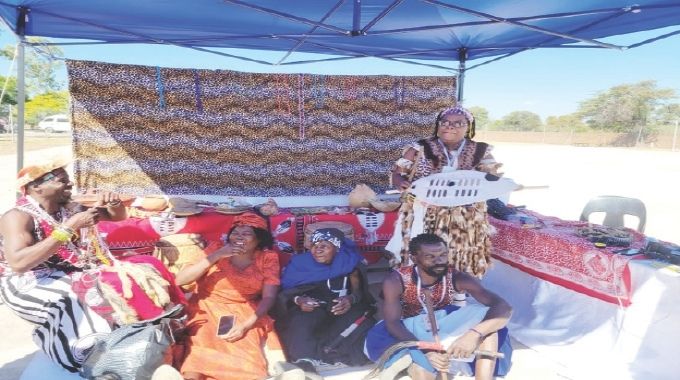
Mthokozisi Ncube, [email protected]
DRAPED in traditional attire, dancing to the rhythm of indigenous drums and proudly showcasing African cuisine, learners at Tsholotsho High School transformed their school grounds into a vibrant celebration of heritage and identity as they joined the rest of the country in commemorating National Culture Month on Monday.
In a district renowned for its deep-rooted Ndebele traditions and preservation of African customs, Tsholotsho High School is emerging as a torch-bearer in promoting cultural preservation, unity and national pride among young people.
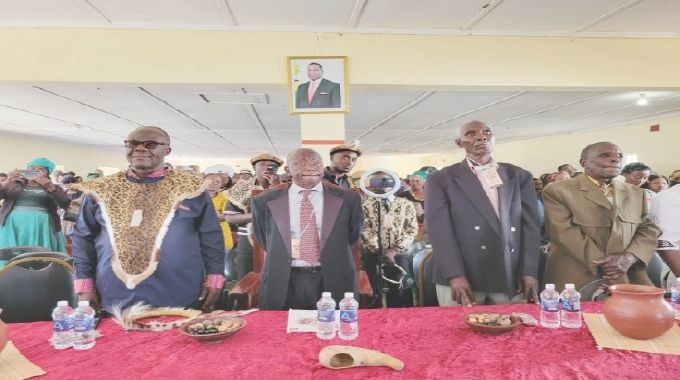
The colourful celebrations held on May 25, 2026 brought together learners, teachers, community leaders and parents in an event that highlighted the importance of embracing indigenous traditions at a time when modern influences continue to erode African cultural values.
Known across Matabeleland North as one of the country’s strongest cultural hubs, Tsholotsho has long preserved traditional dances, indigenous food, language and communal values that define African identity.
Through its active participation in Culture Month commemorations, Tsholotsho High School is ensuring that the district’s rich heritage is passed on to future generations.
The celebrations featured traditional dance performances, poetry, cultural food exhibitions and music, with learners proudly dressed in different forms of traditional attire representing diverse communities across Zimbabwe.
Held under the national theme anchored on promoting cultural diversity and creativity as tools for national development, the commemorations reflected growing efforts to use culture as a foundation for unity, patriotism and social development.
Zimbabwe has throughout May been commemorating National Culture Month through various activities held across all provinces. The national launch was held at Barbourfields Stadium in Bulawayo on May 21 and was presided over by President Mnangagwa.
This year’s commemorations focused on preserving Zimbabwe’s heritage, promoting unity and encouraging citizens to embrace indigenous knowledge systems, traditional food, languages and cultural practices.
At Tsholotsho High School, learners and teachers fully embraced the initiative, with educators wearing traditional attire throughout the month as part of promoting African identity and pride.

Guest of honour, Chief Magama, commended the school for taking a leading role in cultural preservation and urged young people to remain proud of their African identity.
“We did a very good job, and we learned a lot. Today’s celebration is very important because we must be proud of our blackness and identity as Africans,” said Chief Magama.
He said such celebrations were critical in helping future generations understand the value of African culture and traditions.
“Even our grandchildren, through such events, will understand the importance of being African and why culture matters,” he said.
Chief Magama warned against abandoning African traditions in pursuit of modernity.
“As we progress into the future, we must not lose our culture and way of life. We should move forward with our culture and preserve it for future generations,” he said.
Reflecting on the importance of communal values, Chief Magama said African societies traditionally raised children collectively, instilling discipline and responsibility.
“In the old days, a child belonged to the whole community. Any elder had the right to discipline a child and correctly guide them. We must continue raising children using our cultural values so that they become responsible citizens in the future,” said Chief Magama.
He applauded everyone who participated in the celebrations, saying the event reflected African unity and pride.
“I would like to thank everyone who took part in this cultural event. It shows that as Africans we are united and proud of who we are,” he said.
School head, Mr Sicelo Dube, said the commemorations were playing an important role in restoring pride in African identity and heritage among learners.
“This afternoon reminds us why we should be proud of our identity. As Africans, this day is historically important to us, and Zimbabwe has not been left behind in celebrating Africa Day and Culture Month,” he said.
Mr Dube, who is also a former learner at the school, said colonialism negatively affected African traditions and cultural practices.
“If you want to destroy a people, destroy their culture. Colonialism changed many things about us as Africans. Even our dances changed, and many of our customs were lost,” he said.
He said many Africans abandoned indigenous practices and adopted Western lifestyles, including in food, medicine and marriage customs.
“A lot in our culture was destroyed or changed. We forgot our own culture and embraced Western culture, from medication to the food we eat,” said Mr Dube.
Mr Dube said the school was intentionally encouraging both learners and teachers to reconnect with their African roots and proudly celebrate indigenous traditions.
“Today, as Africans, we are saying it is time to go back to our roots. We are proud of our clothes, our food and everything African. Teachers have been wearing cultural attire throughout May as part of embracing Culture Month,” he said.
The celebrations ended with learners showcasing different cultural practices through song, dance and traditional cuisine displays, reinforcing Tsholotsho High School’s growing reputation as a centre of cultural preservation and national pride.
National Culture Month is commemorated annually in May to celebrate Zimbabwe’s diverse cultural heritage and promote unity, creativity and national identity through arts and culture.