Online Reporter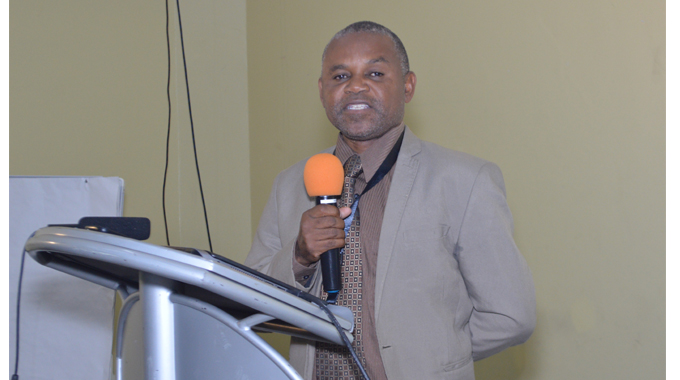
Amos Mpofu, [email protected]
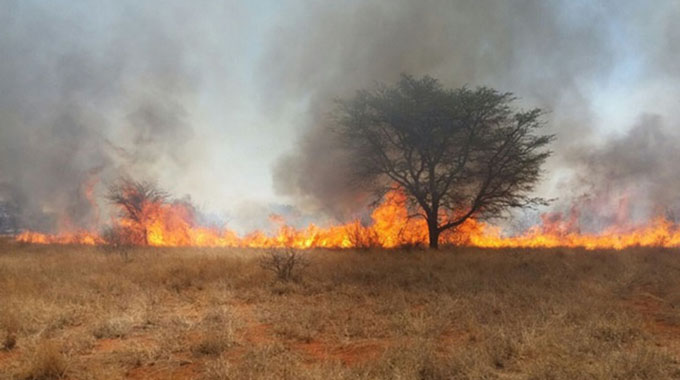
TSHOLOTSHO District has identified veld fires, land degradation, poor sanitation, waste management and drug and substance abuse as major environmental and social challenges requiring urgent intervention.
The issues were raised during a recent Local Environmental Action Plan (LEAP) development workshop held at the Roman Catholic Church at Tsholotsho Centre.
Organised by the Environmental Management Agency (EMA) in partnership with Tsholotsho Rural District Council, the workshop brought together traditional leaders, councillors and community representatives to identify local challenges and formulate practical solutions for sustainable development.
Among the social concerns highlighted were early marriages, rape, particularly cases involving children, and alcohol abuse during community sporting tournaments.
Chief Gampu said traditional leaders were worried by reports of girls being supplied with alcohol at sporting events before being sexually abused.

“We heard of a concerning issue here in Tsholotsho where there are ball game tournaments organised and then after the playing, there will be beer, which they have at a party to which they spend a night dancing and drinking.
“Girls are said to be given beer and they get drunk then men exchange the intoxicated vulnerable girl having non-consensual sex. We have got an alarming number of such cases here in Tsholotsho,” said Chief Gampu.
“As we speak now, we heard that there is an activity of such nature in Ndolwane area there. We are working towards getting such issues to a halt.”
Chief Gampu urged communities to abandon practices that contribute to environmental degradation, including deforestation, streambank cultivation and veld fires.
“We are concerned that we have got issues involving unnecessary cutting down of trees leading to deforestation, cultivation on riverbanks, and veld fires, which cause many challenges affecting our communities. We urge the public to shun those bad tendencies,” he said.

Chief Gampu also called for improved settlement planning, saying residential areas, farming land and grazing areas should be clearly demarcated, while schools and water sources should be appropriately located.
Council chairperson Councillor Rofas Ndlovu said the workshop provided an important platform for district leaders and communities to collectively identify priority areas.
“We began the process by identifying the challenges that Tsholotsho as a rural district council is facing. The major issues that came out included land degradation, solid waste management, including issues of water and sanitation, there were a variety of reclamations,” he said.
Clr Ndlovu said the district had set ambitious targets to address some of the challenges, including achieving zero veld fires by 2030 and ensuring every homestead has a pit latrine by the end of 2027 as part of efforts to eliminate open defecation.
“As Tsholotsho there are specific issues that we need to look into. One was the issue of veld fires and how we can control those in the district to achieve zero incidents by 2030. We also identified that in the district we’re lagging behind in terms of mostly rural areas, and solid waste management. We’ve set ourselves a target in Tsholotsho, that by the end of next year, 2027, every homestead should have a pit latrine toilet to achieve zero open-defecation programme in Tsholotsho,” he said.
EMA Matabeleland North education and publicity officer Mr Graham Ndou said the workshop would help ensure the district’s LEAP remains relevant and responsive to local needs.
“Together, we are reviewing the existing LEAP to ensure that it remains relevant, actionable and aligned with both national policies such as NDS2 and the real needs of the Tsholotsho community,” said Mr Ndou.
Under Section 95 of the Environmental Management Act, local authorities are required to develop and implement Local Environmental Action Plans. The LEAP provides a community-driven roadmap for tackling environmental challenges such as waste management, wetland protection, pollution control and land degradation.