Peter Matika, [email protected]
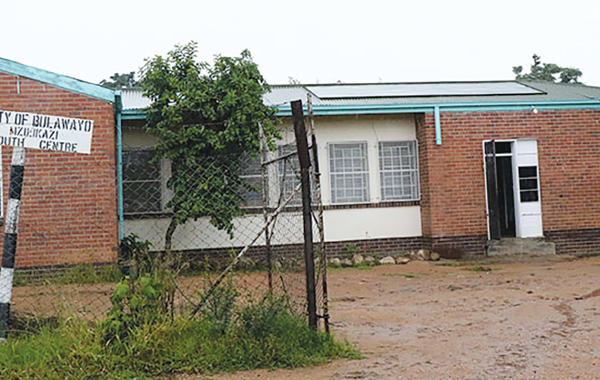
BULAWAYO youth centres should move beyond recreational function and become fully equipped skills-development hubs with councillors calling for investment into these facilities to offer broad training and opportunities for young people.
The Bulawayo City Council had 16 operational recreation and youth centres by August, but councillors say more must be done to ensure they are accessible, maintained and equipped to respond to the needs of a changing generation.
Council figures show that the centres, Inyathi, Vulindlela, Matshobana, Mzilikazi, Thabiso, Impande, Sizinda, Isiziba, Indlovu, Magwegwe, Luveve, Lobengula, Phumelela, Isilwane,
Mthwakazi and Emakhandeni, recorded 2 309 young people during the month, comprising 1 238 males and 1 071 females.
Councillors have said the city must do more than keep their doors open, and ensure these facilities offer practical skills, digital access, entrepreneurship support and activities that can help young people find work or establish businesses.
Ward 10 Councillor, Clr Albert Ndlovu welcomed partnerships with development organisations, citing support from Netherlands-based SNV in rehabilitating Mabutweni Home Craft Centre and Sizinda Youth Centre, which have been transformed into innovation hubs.
He urged council to pursue similar partnerships to restore other facilities, saying properly resourced centres could help address unemployment and keep young people productively engaged amid concerns over drug and substance abuse.
Ward 18 Councillor, Clr Felix Madzana said the responsible committee was working with the department to rehabilitate more youth centres, expand courses at vocational training centres and improve sporting activities.
He said the push for modern facilities is visible at Isiziba Youth Innovation Centre, which reopened in August after a nine-week closure for renovations and infrastructure development.
Improvements include a greenhouse, vegetable and herb gardens to promote sustainable agriculture and food security, as well as a fully equipped computer laboratory to strengthen digital literacy and access to technology. The transformation was supported by the Bulawayo Vendors and Traders Organisation.
Council’s 2026 gender and social inclusion report recorded 3 211 people at its vocational training centres. Of these, 2 074 were male, representing 64,6 percent, while 1 137 were female, or 35 percent.
A total of 432 trainees were below 18, while 2 779 were aged between 18 and 25. No persons with disabilities were recorded among participants. The council’s livelihood skills programmes include hairdressing and beauty therapy, while sewing is reflected in equipment provided to support training.
The report stated that on August 5, Cordaid donated equipment valued at US$10 000, including six manual sewing machines, a heavy-duty electric sewing machine, steam irons, tables, mirrors, hair dryers, salon cabinets, chairs and washing basins.
The donation is expected to improve training quality and beneficiaries’ prospects of earning a living. However, council reports indicate donor-supported programmes require matching contributions, which can be difficult amid financial constraints.
For many young people, completing a course is only the first step. Training has limited impact if graduates leave without tools, start-up capital, workspace, market access or guidance to establish viable enterprises.
Councillors want training aligned with the job market through industry partnerships, equipped workshops, work attachments and access to finance and business support. Council discussions also highlighted the need to protect existing community infrastructure.
They proposed that revenue from hiring out community halls be ring-fenced for repairs and maintenance, while wards without youth centres could use halls to provide activities and services for young people. The proposal comes amid concerns over deteriorating facilities.
Councilors also warned that delays in processing offers of assistance had previously cost the city potential support. They cited a donor who wanted to provide internet equipment and renovate
Pumula North Hall, and a United Kingdom-based former resident who had pledged a borehole for Magwegwe Library.
The housing and community services directorate had welcomed the donations but insisted that proper documentation was required and would not accept assistance carrying conditions contrary to the city’s interests.