Online Reporter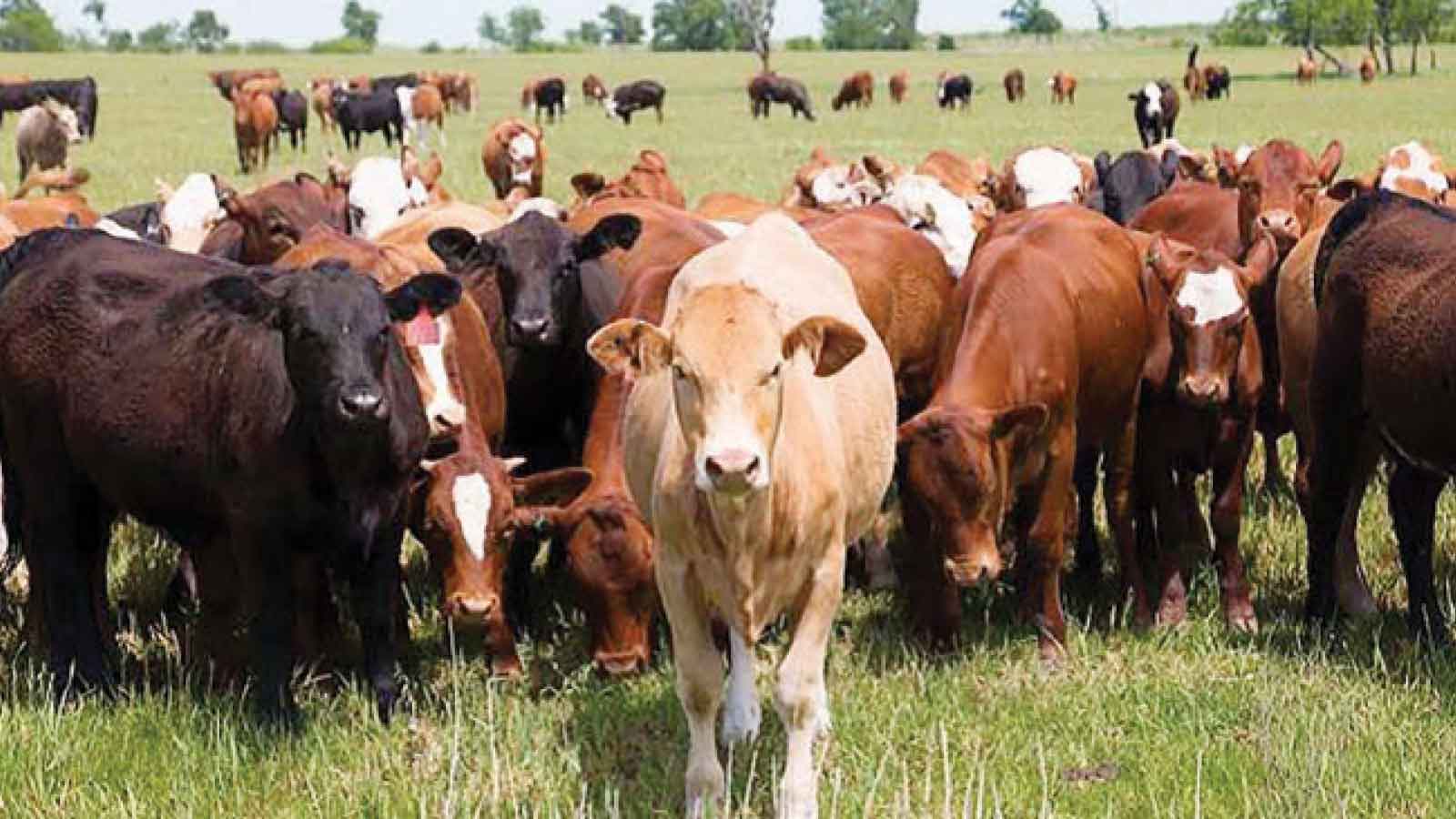
Prof Obert Jiri
The Ministry of Lands Agriculture Fisheries and Rural Development is strategically positioned to utilise the favourable rainfall forecast for the 2025/2026 summer cropping season as a catalyst for improving national food security.
Recognising the importance of this positive climatic outlook following previous drought challenges, the Ministry is implementing several robust initiatives.
A cornerstone of this strategy is the Pfumvudza/Intwasa scheme, which has successfully prepared over 15,8 million plots for cultivation.
By promoting conservation agriculture practices, this initiative enhances soil health and increases crop yields.
Farmers are receiving the necessary training and resources to maximise their outputs, allowing them to benefit fully from the anticipated good rainfall.
Moreover, the Ministry is focused on replenishing the Strategic Grain Reserves to ensure that food is available during lean seasons, thereby stabilising market prices and protecting consumers.
The current optimism throughout the agricultural community is deep, as reports indicate that many crops, particularly early-planted varieties like irrigated tobacco, are flourishing under these ideal conditions.
This positive approach signifies that the Ministry is not only aiming to meet the grain production target of 3,2 million tonnes, but to foster long-term agricultural resilience in Zimbabwe.
Climate-resilient strategies
In the wake of the 2023-2024 El Niño drought, the Ministry recognises the critical need for permanent climate-resilient strategies that will fortify Zimbabwe’s agriculture against future climatic challenges.
These strategies are centred around adaptability and innovation, aiming to ensure sustainable productivity in the face of increasing climate variability.
One significant strategy includes the promotion of traditional drought-resistant crops, such as sorghum and millet, which are better suited to withstand unfavourable weather conditions compared to maize. Additionally, the Ministry is expanding irrigation infrastructure, thereby reducing reliance on rainfed agriculture and ensuring that farmers have sufficient water supplies throughout the growing season.
Furthermore, the Ministry is promoting climate-smart agriculture techniques, such as conservation agriculture, which enhances soil fertility and water retention.
These efforts not only aim to bolster food production, but also contribute to the long-term sustainability of farming practices.
Ongoing partnerships with local agricultural experts further ensure that farmers are equipped with the necessary knowledge to implement these adaptive strategies effectively. Weather index insurance programme
The weather index insurance programme has emerged as a vital resource for smallholder farmers, particularly as they navigate the uncertainties brought on by climate change. After achieving great success during its pilot phase in Goromonzi, the Ministry is excited to scale up this innovative programme to encompass an estimated 50 000 farmers by the 2025-2026 season.
Working in collaboration with the Insurance Council of Zimbabwe (ICZ) and the Insurance and Pension Commission (IPEC), the Ministry is mobilising a network of over 6 000 Agritex officers to educate and enroll farmers in this programme.
By framing insurance as an essential input akin to seeds and fertilisers, the Ministry aims to foster a culture where farmers recognise the importance of securing their livelihoods against unpredictable weather patterns.
This positive approach not only protects farmers financially, but also builds their resilience and confidence in agricultural ventures. With this scaling effort, the Ministry is creating a safety net that empowers smallholder farmers and strengthens food security on a national level.
National herd
The national cattle herd, estimated at approximately 5,7 million cattle, is currently facing several pressing challenges, including diseases like Foot and Mouth Disease (FMD) and Theileriosis, as well as the impacts of drought conditions.
To address these challenges effectively, the Ministry is implementing a comprehensive range of strategies.
To combat the threat of disease, the Ministry has ramped up vaccination efforts and enforced stricter movement controls to prevent disease spread.
Establishing ward-level drought mitigation centres plays a crucial role in this strategy by providing vital resources such as feed, water and dipping facilities to farmers during challenging periods.
In addition, the introduction of a National Feed and Fodder Strategy will ensure that adequate nutrition is available for livestock, enhancing their resilience against both drought conditions and diseases.
This multifaceted approach not only aims to minimise cattle losses during the lean season but also fosters a stronger, more productive livestock sector in Zimbabwe.
Livestock productivity and value addition
The Government is committed to enhancing livestock productivity and value addition in the beef and dairy sub-sectors, aiming to meet the goals set forth in the Agriculture Food Systems and Rural Transformation Strategy.
To achieve this, the Ministry is investing in several key initiatives.
One of the critical components of this strategy involves revitalising livestock herds through artificial insemination programmes that focus on introducing superior breeds.
This will not only increase overall herd quality but also enhance productivity across the sector. Additionally, the Ministry is emphasising the entire value chain in the meat, dairy, and leather industries.
By fostering development within these areas, the Government aims to create jobs, boost exports, and transition farmers from a focus solely on production to active participation in value-added processes. Collaborations with the private sector will be crucial in improving infrastructure, ensuring farmers receive essential inputs and gaining better access to markets.
Technology and mechanisation challenges
Access to technology and mechanisation remains a significant hurdle for many smallholder farmers in Zimbabwe.
Recognising this challenge, the Ministry is actively pushing for increased mechanisation and irrigation expansion through vital partnerships, particularly with the AFC Leasing Bank. Second envisions the AFC Leasing Bank as central to providing smallholder farmers with affordable access to necessary machinery, including tractors and irrigation systems. This alignment with national programmes such as Rural Development 8.0 and Infrastructure 6.0 is designed to create structured demand for mechanisation, thus enhancing agricultural efficiency.
This initiative not only aims to bolster individual farmer productivity but also contributes to broader agricultural growth across the nation.
By addressing these technology gaps, the Ministry is empowering farmers to embrace modern agricultural practices and ultimately improve their livelihoods.
Collaboration
As part of its ambitious Vision 2030, the Government is actively seeking partnerships and investments to enhance the agricultural sector. Collaboration is particularly encouraged in several key areas, including research, capacity building, and innovation.
Specific requests include developing vaccines tailored to local livestock diseases and creating climate-smart feed solutions that optimise productivity while being environmentally sustainable.
The Ministry is also keen on harmonising policies to foster a conducive investment environment that attracts private sector involvement in infrastructure development and input supply.
By inviting collaboration, the Ministry aims to create an inclusive environment that supports agricultural growth, thereby ensuring that “Food Security Everywhere Every Day” becomes a reality for all Zimbabweans.
The underlying message is clear: Zimbabwe is ready and eager for safe, profitable agricultural investments that will benefit the entire nation.
Professor Obert Jiri is the permanent secretary in the Ministry of Lands Agriculture Fisheries and Rural development. He was responding to questions from our reporter Precious Manomano



 Bongani Ndlovu