Fungai Lupande-Mashonaland Central Bureau
TWO people have died in veld fires in Mashonaland Central Province as the Environmental Management Agency (EMA) intensifies awareness campaigns to stop farmers from burning crop residues, warning that the practice is putting lives, livestock and agricultural investments at risk.
As farmers prepare their land for the 2026/2027 summer cropping season following the recent rains, EMA is urging communities to adopt safer methods of clearing fields, including making hay bales from crop residues and constructing fireguards to contain the spread of fires.
The province has already recorded two fire-related deaths this season, underscoring the devastating human cost of uncontrolled fires.
In Guruve, a 96-year-old man died early this week after being trapped in a burning hut, while an elderly woman reportedly died after being caught in a veld fire as she collected firewood in Jeke Village, Bindura.
The tragedies have heightened concerns over fire safety as farmers begin clearing fields and preparing for planting, with authorities warning that one uncontrolled blaze can destroy lives, grazing land, crops and infrastructure built over years.
EMA Mashonaland Central educationist and publicity officer Maxwell Mupotsa said the onset of rains had triggered land preparation activities, increasing the risk of veld fires as farmers cleared their fields.
“We want to put a word across to everyone that we must desist from clearing our fields using veld fires,” he said.
Mr Mupotsa said farmers should embrace practical alternatives that preserve the environment while supporting agricultural production and livestock rearing.
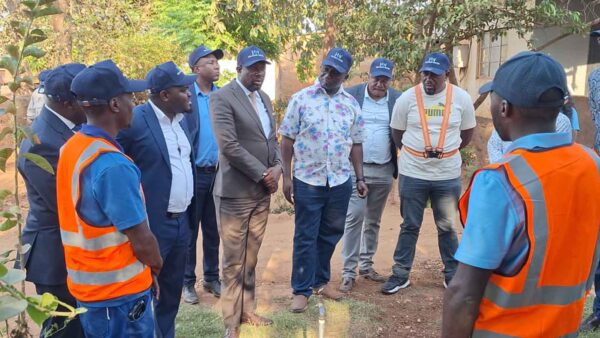
At Leopardvlei Farm, the message is being put into practice, with the farmer turning crop residues into hay bales for livestock feed and commercial use instead of burning them.
The initiative offers farmers an opportunity to derive economic value from materials that would otherwise be destroyed by fire, while reducing the combustible vegetation that can fuel veld fires.
Farm manager Edward Rupiya said fire prevention measures were put in place before harvesting, in line with advice from EMA and agricultural extension officers.
“Before we start harvesting, we start constructing fireguards, which have always been encouraged by EMA and Agritex officers,” he said.
Mr Rupiya urged farmers growing maize, wheat and soya beans to protect their fields and avoid practices that could expose their investments to destruction.
With livestock production also dependent on the availability of feed, hay baling provides an additional safeguard during periods when grazing and other feed resources become scarce.
Meanwhile, visual artist Iky Rupiya is using painting to narrate social and environmental threats, including veld fires, in a creative approach aimed at raising awareness and encouraging communities to protect their surroundings.
The combined efforts of farmers, environmental authorities and artists highlight the need for prevention to become a shared responsibility, particularly as communities navigate changing weather conditions and prepare for another agricultural season.