Online Reporter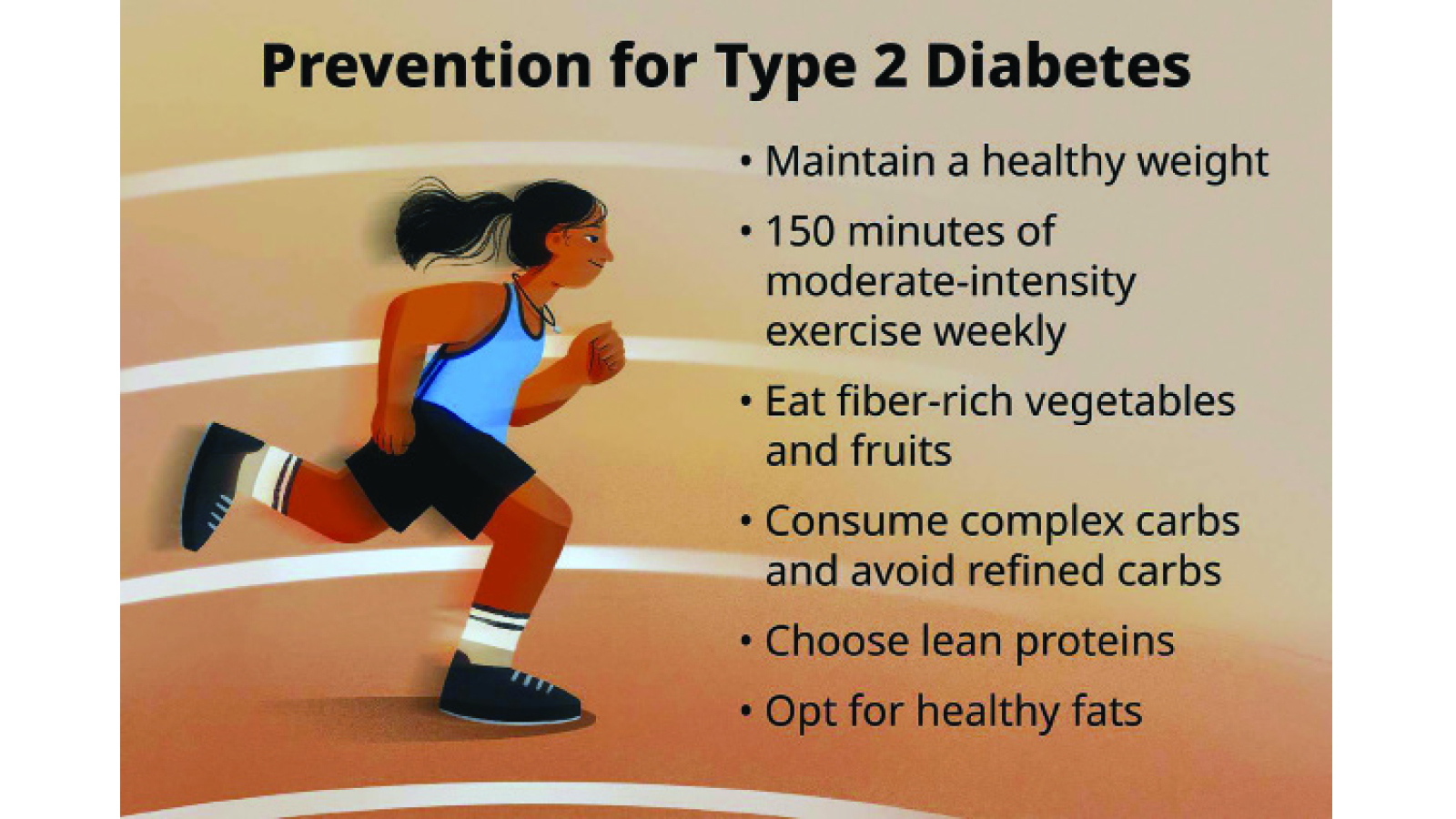
Rumbidzayi Zinyuke
Health Buzz
If we were to conduct a random survey today, how many people living with diabetes would each of us be able to identify?
A neighbour, perhaps, who is now struggling with eyesight. A colleague, who quietly takes medication during lunch breaks. Or maybe a relative who has recently started insulin injections.
The truth is, diabetes is no longer a distant disease that only affects others; it is becoming part of our everyday reality, both globally and here in Zimbabwe.
In many communities worldwide, type 2 diabetes has crept in, becoming one of the most pressing public health challenges of the 21st century.
Unlike many illnesses that strike suddenly, this one often moves quietly, eating away at health long before most people realise what is happening. And yet, what makes this disease particularly tragic is that in many cases, it is preventable.
Globally, the numbers are sobering.
The International Diabetes Federation (IDF) estimates that hundreds of millions of adults are living with diabetes, with type 2 making up more than 95 percent of all cases.
The World Health Organization (WHO) warns that the burden is rising fastest in low- and middle-income countries, where health systems already struggle to cope with infectious diseases and underfunded services. By 2045, projections suggest global diabetes cases could rise by more than 50 percent, if nothing changes.
In Zimbabwe, the picture may look less dramatic on paper, but the risks are real. IDF data suggests that about 1.5 percent of Zimbabwean adults — around 106 000 people — are currently living with diabetes. The true figure could be much higher, given that many cases go undiagnosed due to limited routine screening. Urban areas, where lifestyles are increasingly sedentary and diets richer in processed foods, carry the highest risk. While rural prevalence remains lower, shifts in diet and work patterns are beginning to change that landscape as well.
At its core, type 2 diabetes occurs when the body struggles to use insulin properly. Insulin is the hormone that helps move sugar from the blood into cells for energy. Over time, cells become resistant to insulin’s effect, and the pancreas cannot produce enough to keep up. The result is a dangerous buildup of sugar in the bloodstream. Left unchecked, high blood glucose silently damages blood vessels and nerves, paving the way for heart disease, kidney failure, blindness, strokes, and even amputations.

What makes type 2 diabetes insidious is its stealth. Many people live with elevated blood sugar for years without knowing it. Early signs like persistent fatigue, unusual thirst, frequent urination, slow-healing wounds, or recurrent infections are often dismissed or attributed to other conditions. By the time many patients are diagnosed, complications have already set in. This is why routine screening at clinics, especially for high-risk individuals, is so important.
The risk factors are clear and, crucially, modifiable. Being overweight, particularly with excess abdominal fat, is one of the strongest predictors.
A family history of diabetes also plays a role, but lifestyle choices tip the scale for most people. Diets heavy in sugar, refined carbohydrates, and unhealthy fats, combined with low levels of physical activity, are the biggest culprits. High blood pressure, high cholesterol, smoking, and even gestational diabetes during pregnancy add to the risk.
If the causes are clear, so too is the path to prevention.
The WHO and countless studies have shown that modest, sustained lifestyle changes can drastically reduce the risk of developing type 2 diabetes.
Regular physical activity — at least 30 minutes of brisk walking or similar exercise most days — improves insulin sensitivity and helps maintain a healthy weight. Diets rich in vegetables, fruits, legumes, and whole grains, and low in sugary drinks and unprocessed foods, reduce the burden on the body. Avoiding tobacco and limiting alcohol add further protection.
For those already diagnosed, management is possible. With consistent monitoring, adherence to prescribed medication, and lifestyle adjustments, many people live long, healthy lives.
The challenge in Zimbabwe, however, lies in access. Glucose testing kits, medicines, and insulin are often expensive or in short supply. This makes prevention all the more urgent because it is far cheaper and more sustainable to prevent diabetes than to treat its devastating complications.
But prevention cannot rest solely on the shoulders of individuals. The environments people live in strongly influence the choices we make.
In urban areas, cheap processed foods are often more accessible than fresh produce. Workplaces and schools often normalise sugary snacks and drinks. Without structural changes, telling people to “eat better and exercise more” becomes a hollow message.
This is where public policy and community action come in. Zimbabwe has implemented taxes on sugary drinks and junk food but more should be done.
Local initiatives could support fresh produce markets and encourage schools to integrate healthier meals and physical activity into daily routines. Community health workers could also be empowered to lead diabetes screening and prevention campaigns at the grassroots level.
For a country that is already stretched thin by the demands of HIV, tuberculosis, and other health priorities, diabetes might feel like just another burden. But ignoring it could prove far costlier in the long run.
Heart attacks, strokes, kidney dialysis, and amputations — all complications of poorly controlled diabetes — consume far more resources than prevention programmes would. And beyond costs, they steal livelihoods, productivity, and the dignity of individuals and families.
For many Zimbabweans, the message is simple but urgent.
Type 2 diabetes is not inevitable. Everyone can take steps, today, to reduce their risk. It begins with small changes like choosing water instead of a sugary drink, walking a little more each day, swapping refined foods for whole grains, making vegetables a staple rather than an afterthought. It means taking advantage of screening opportunities when they are offered, especially if one is over 40, overweight, or has a family history of diabetes.
Type 2 diabetes is a warning, not a destiny. Our response, as individuals and as a nation, will determine whether we pass on a healthier future to the next generation — or a heavier burden they will struggle to carry.
Feedback: [email protected]