Online Reporter
Gibson Mhaka, Zimpapers Politics Hub
DEVOLUTION, a key feature of the 2013 Constitution, did not gain significant traction during the First Republic.
As a result, many areas and districts were overlooked, as national events and resources remained concentrated in major cities like Harare.
However, the advent of the Second Republic, under President Mnangagwa’s stewardship, has brought a significant shift towards inclusive governance and balanced regional development.

His devolution and decentralisation thrust, guided by the philosophy of “leaving no one and no place behind”, has prioritised the implementation of this constitutional mandate.
This has resulted in many tangible benefits, including the rotation of national independence celebrations in different provinces.
This departure from the traditional Harare-centric approach has spurred significant infrastructural development in previously marginalised areas.
Roads, stadiums, schools, clinics and other essential facilities have been rehabilitated or constructed, injecting much-needed investment into these regions.
The ripple effect of these developments, driven by the Government’s devolution strategy, extends beyond the immediate celebration, leaving a lasting legacy of improved infrastructure and enhanced local economies.
Rotating the celebrations ensures that all regions benefit from legacy projects associated with hosting the main event.
Bulawayo was the first to benefit from the decentralisation of Independence Day celebrations in 2022, followed by Mt Darwin in Mashonaland Central, and then Buhera in Manicaland last year.
These celebrations demonstrate the Government’s commitment to inclusive national pride and unity.
This move not only boosts local economies but also fosters a sense of belonging and participation among all citizens.
This year’s 45th Independence Day celebrations will be held at Nembudziya Growth Point in Gokwe North, a move that underscores the Second Republic’s commitment to devolution.
Gokwe North has historically been considered one of the most remote and underdeveloped districts in the Midlands Province.
By selecting this location, the Second Republic underscored its commitment to addressing regional disparities through devolution, ensuring that even the most marginalised areas benefit from national development initiatives.
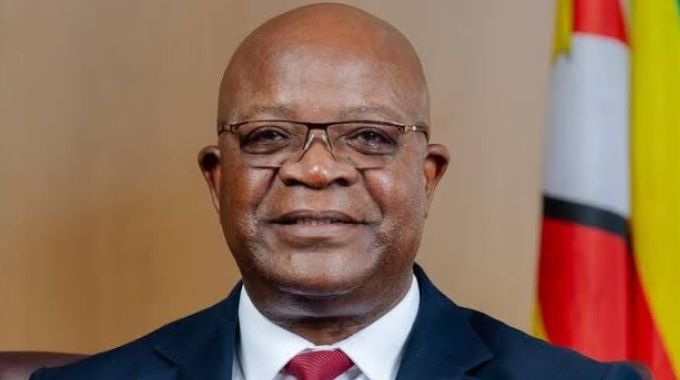
Gokwe South Rural District Council (RDC) chief executive officer Mr Jabulani Gute said the Uhuru celebrations will leave a lifelong impact on Gokwe.
“The hosting of the national celebrations in Nembudziya is a testament to the Government’s commitment to ‘leaving no one and no place behind’, and both Gokwe North and Gokwe South districts are already enjoying the benefits of Government infrastructure development. This includes the building of schools, clinics, solar-powered boreholes, rural electrification and road construction,” he said.
“This development has been facilitated by the additional devolution funds we receive, which have enabled the rehabilitation of crucial infrastructure, such as the roads linking Nembudziya and Chitekete.
“We also have the Jahana Road, which connects the two districts, Gokwe North and Gokwe South, offering an alternative route. As a gravel road without rivers, it eliminates the need for costly bridge construction. This road has been rehabilitated to provide villagers with a viable alternative, serving as the shortest route between the two districts.
“Furthermore, the road connecting Kadoma, Sanyati and Nembudziya is also undergoing rehabilitation. Given that these are agro-based districts, the improved roads have brought significant relief, enabling farmers to efficiently transport their produce to towns such as Kadoma and Harare.”
The influx of people for the independence celebrations, Mr Gute said, has significantly boosted local businesses.
“This influx of visitors has created a vibrant market, allowing small-scale entrepreneurs to generate significant income.
The ripple effect extends to the agricultural sector as well, with increased demand for locally sourced produce to cater for the large crowds.
“Accommodation facilities in both Gokwe North and Gokwe South have also been fully booked, demonstrating the immediate economic impact of hosting such a major national event,” added Mr Gute.
“We are also going to have a stadium in Gokwe. This lack of a stadium was affecting teams from the two districts. However, with the coming of the Second Republic and its decentralisation policy, which has brought the independence celebrations to Gokwe, we now have a stadium.
“We really appreciate the Second Republic. This decentralisation is making areas like Gokwe, which had been lacking in development, finally see progress.”
Gokwe-Kabuyuni legislator Spencer Tshuma said the benefits of Government infrastructure development, driven by devolution policies and aimed at benefitting local communities, will have a lasting impact far beyond the day of the festivities.
“This is a lifetime event and it’s a rare opportunity. We are fortunate to be the third rural district to host the celebrations since the rotation began,” he said.
“This opportunity has come with significant benefits for the district. The hosting of these celebrations is not just a national event but a reflection of the Government’s commitment to development. It is bringing about lasting changes in the community.”
Building on the momentum of bringing national celebrations to previously marginalised areas, traditional leaders in Gokwe North district have also warmly welcomed the decision, saying they felt honoured by the Second Republic’s gesture to hold this year’s main independence celebrations.
They said the decision shatters Gokwe’s long-standing perception of neglect and signifies a profound recognition of its place within the nation.
It is important to note that the significant infrastructure and economic developments taking place in Gokwe are undeniably a direct result of the Second Republic’s commitment to devolution, prominently showcased through the decentralisation of the Independence Day celebrations.
This policy shift has transformed national events into catalysts for regional growth, ensuring that areas previously marginalised receive much-needed attention and investment.
The decision to host the celebrations in Gokwe acted as a powerful stimulus, prompting the Government to prioritise the district’s development.
These tangible outcomes demonstrate how the decentralisation of national events serves as a practical tool for implementing devolution.