Online Reporter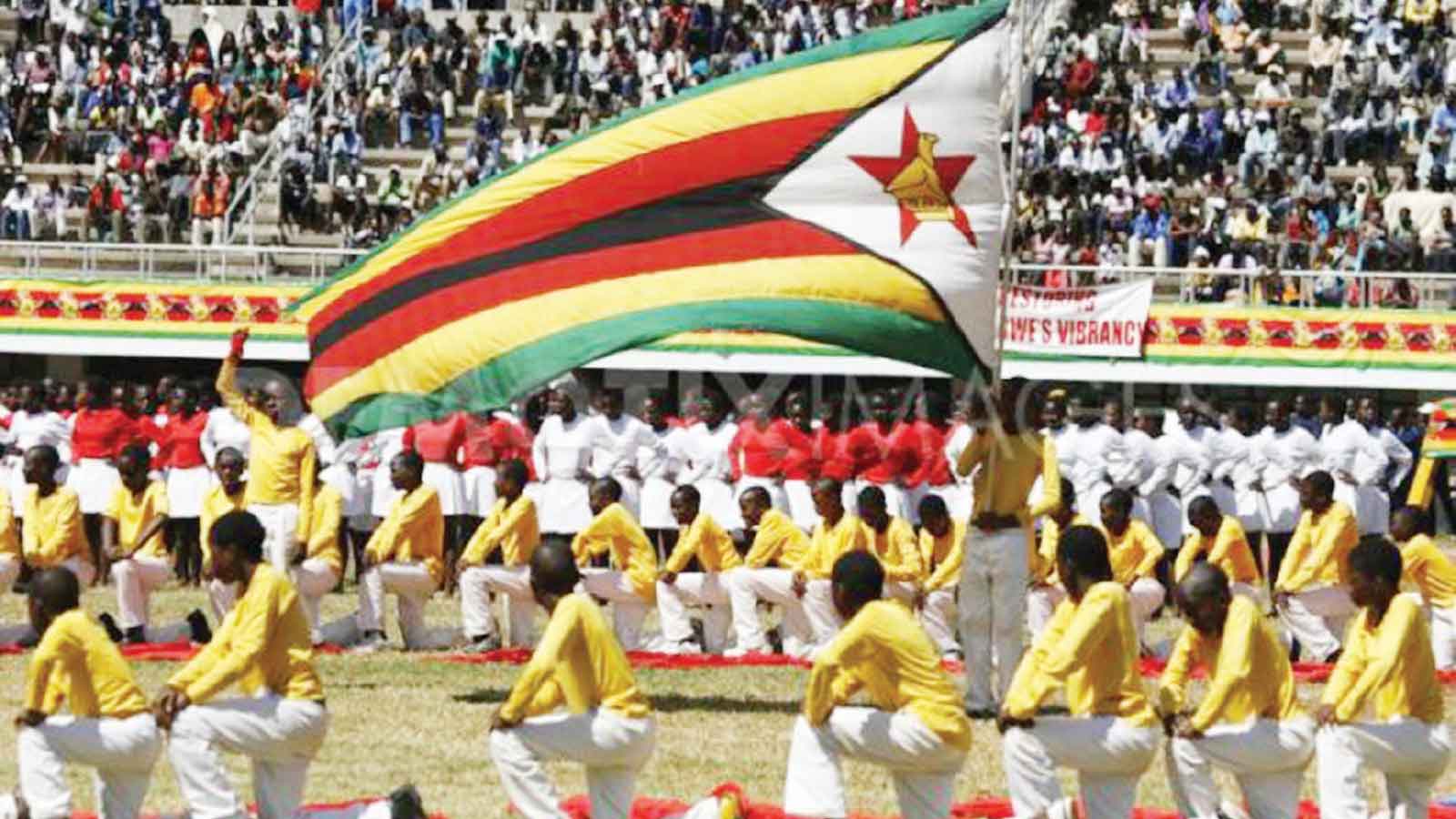
Liberty Kingsdale
April stands as one of the most spiritually and historically loaded months on our national calendar.
For Zimbabwe, it carries a weight that is both sacred and political; both heavenly and earthly.
It is the month of double independence.
As a Christian people, we have just passed through the season of Passover — a divine moment that speaks of deliverance, of chains broken and of systems of oppression collapsing under the mighty hand of God.
It is a season that reminds us that freedom is not negotiated; it is enforced by divine intervention.
And, as a nation, we now approach another landmark — 46 years of self-governance.
Forty-six years since Zimbabwe stood up and declared: We will think for ourselves, govern ourselves and chart our own course.
But here lies a truth many do not want to confront: Independence is not merely a celebration — it is a responsibility.
Freedom removes the slave master, but it does not remove the need for structure, discipline or vision.
In fact, it intensifies it.
Where someone once dictated your pace, you must now create your own rhythm. Where someone once provided, you must now produce.
Where someone once protected, you must now defend.
Freedom demands maturity.
In his deeply reflective work “Up from Slavery”, Booker T. Washington captures a moment that should awaken every nation that fought for freedom.
He writes of the immediate aftermath of emancipation of the African race in America — how it was met with wild rejoicing, ecstatic celebration and overwhelming relief.
But then, almost suddenly, a shift occurred.
The same people who danced in freedom began to feel the crushing weight of it.
Within days, joy gave way to uncertainty.
Responsibility loomed large. Questions emerged: Where do we go? How do we survive? Who will take care of us now?
And in one of the most sobering observations, Washington notes that some, particularly the older generation, chose to return to their former masters.
Not because they preferred bondage, but because they feared responsibility.
The pressure of self-governance proved heavier than the pain of slavery.
That is a dangerous place for any people to find themselves, because the greatest threat to freedom is not always external oppression — it is mental weakness and internal retreat.
Zimbabwe must always guard against this.
As a growing nation, we must accept that hardship is not a sign of failure — it is a sign of transition.
Every nation that has ever risen to greatness has passed through seasons of pressure, uncertainty and sacrifice.
There is no short cut to nationhood.
But, in the midst of this, we must make a conscious decision: We will not shrink back.
The temptation to retreat into the “comfort” of dependency is real.
The desire to escape the weight of responsibility is human.
But history and scripture both warn us of the cost of such decisions.
The children of Israel stand as a timeless example.
Delivered from the brutal hand of Pharaoh, they were given a promise — a land flowing with milk and honey.
Their future was secure; their destiny guaranteed.
Yet, in the wilderness, under the pressure of transition, their perspective shifted.
The discomfort of the journey distorted the beauty of the promise.
And in one of the most tragic confessions ever recorded, they began to long for Egypt.
Not for freedom, not for destiny, but for garlic and onions.
They were willing to trade purpose for comfort, promise for familiarity and destiny for survival.
It was not bondage that defeated them — it was the mindset.
Zimbabwe must refuse such a mindset.
Yes, the journey is demanding.
Yes, the systems are still being built.
Yes, the weight of responsibility is heavy.
But we must never allow the pain of progress to push us back into the comfort of stagnation.
Because stagnation is not peace — it is slow decay.
There is a higher call upon this nation — a call to build, to innovate, to take ownership and to rise.
This is not the time to fold our hands or shift blame.
It is the time to think, to act and to take responsibility at every level of society and to support our national leadership.
Independence means we are the solution.
It means the future of Zimbabwe will not be shaped by outsiders, but by the decisions we make today.
It means we must cultivate a culture of discipline, resilience and forward-thinking.
It means we must embrace the pressure, not run from it.
Scripture captures this posture powerfully: “We are not of them who draw back unto perdition, but of them that believe to the saving of the soul.” (Hebrews 10:39).
This is the spirit that must define us.
A people who do not retreat. A people who do not break under pressure. A people who understand that the burden of freedom is also the gateway to greatness.
As we mark this month of double independence, let it not be reduced to ceremonies and speeches.
Let it become a moment of national introspection — a time to ask ourselves hard questions about responsibility, accountability and direction.
Because in the end, independence is not proven by what we declare — it is proven by what we build.
Zimbabwe is ours.
And its future will reflect the courage or the compromise of its people.
Liberty Kingsdale is an ordained minister, author and conference speaker. He has ministered to churches and corporates across Southern Africa and the United Arab Emirates. Feedback +263774357394.