Online Reporter
Collin Matiza
Zimpapers Sports Hub
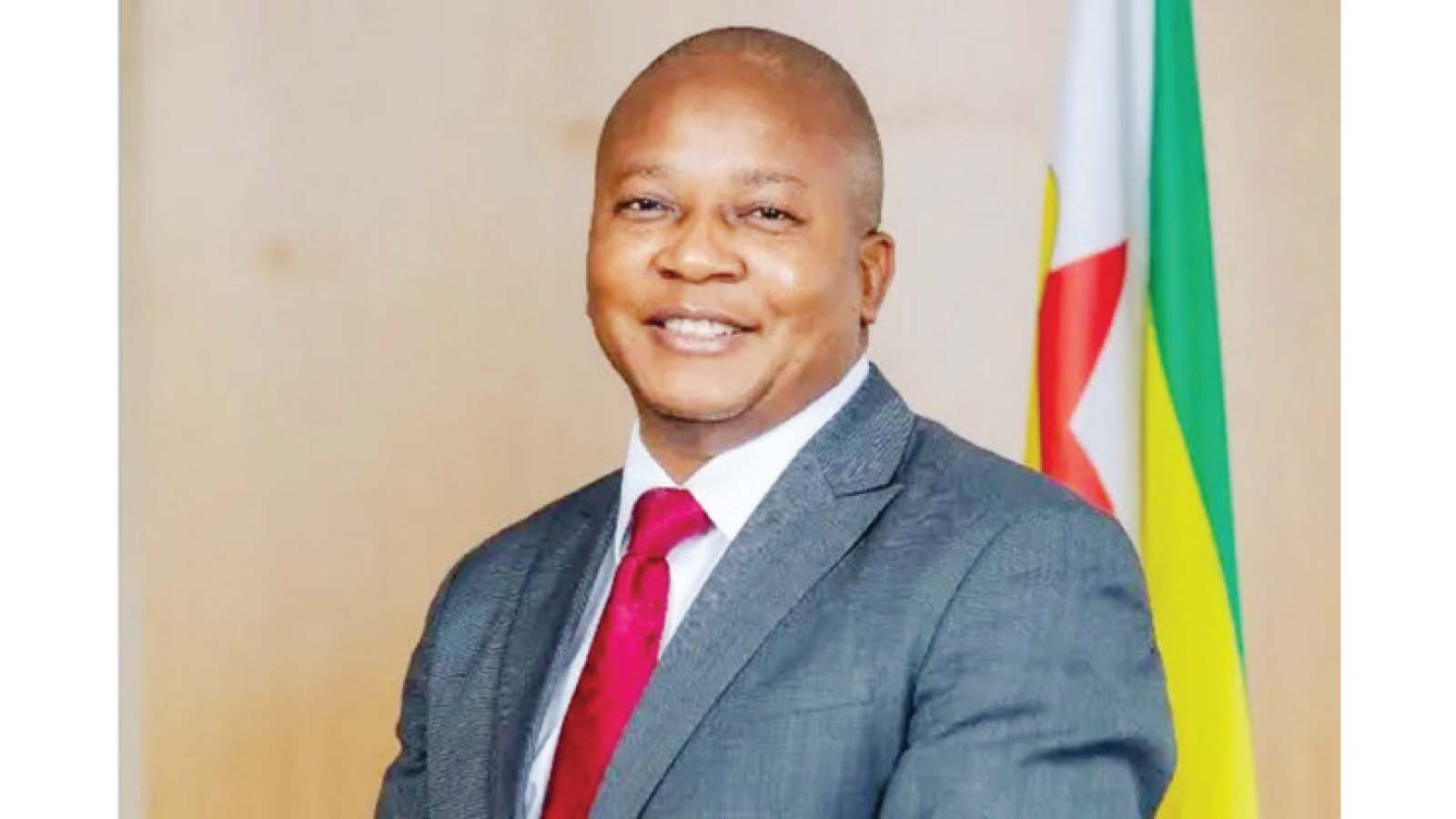
UK-BASED Zimbabwean football entrepreneur and elite talent scout, Jomo Dyson Dzapasi, has showered praise on prominent local businessmen and philanthropists, Pedzai “Scott” Sakupwanya and Wicknell Chivayo, for their monumental financial injections into domestic football.
Dzapasi, the founder and newly-appointed Chief Scout for Europe and England (Under-21) at PYE Football Scouting, stated that the heavy financial backing from the duo is precisely the catalyst needed to transform the beautiful game in Zimbabwe and across the African continent.
Over the past 15 years, Dzapasi’s Leeds-based PYE Academy has successfully bridged grassroots talent into professional contracts within the English Premier League, Championship, and Leagues 1 and 2.
Speaking to Zimpapers Sports Hub from his base in Leeds, England yesterday, Dzapasi, the younger brother of former Black Aces and Chapungu midfield enforcer Brighton Dzapasi, recalled the painful decline of historic domestic football institutions due to a lack of funding.
“The team we grew up supporting and loving in Zimbabwe, Black Aces, completely folded because of financial challenges,” Dzapasi lamented.
“We have also watched a giant like Dynamos fall from their traditional top-tier dominance to becoming an average-performing team, purely due to a lack of resources. Without capital, football cannot survive.”
Dzapasi pointed to the rapid rise of Zimbabwean champions Scottland as a masterclass in modern sports investment.
Under the vision of politician and businessman Sakupwanya, the club is currently developing a state-of-the-art US$30 million, 20 000-seater CAF-certified stadium in Harare’s high-density suburb of Mabvuku, alongside a US$15 million training village in Ruwa.
The club has also prioritised player welfare, providing luxury housing, personal vehicles, and procuring a custom, state-of-the-art team bus matching the standards of elite European clubs.
Similarly, business magnate Chivayo has poured millions into the domestic game, notably purchasing luxury team buses for local football giants Dynamos and Highlanders alongside massive financial sponsorships.
“We may have our differences in politics or religious views, but what Scott and Wicknell are doing for football is absolutely awesome,” said Dzapasi. “It is a massive step towards the true development and professionalisation of football in Zimbabwe.”
The veteran scout concluded with a powerful rallying cry to corporate Africa, urging them to break the dependency cycle of looking to Europe or the USA for blueprints of success.
He noted that African football must follow the commercial model of South Africa’s Mamelodi Sundowns, a club whose heavy financial backing allows it to retain elite talent and comfortably compete with international counterparts.
“Africa has the resources; what we need is visionary leadership. What is stopping African corporates and successful business magnates from pouring money into our sports? We boast rich minerals and massive agricultural exports. It is time for the African story to change. The world should be looking up to Africa, not the other way round,” Dzapasi concluded.