daniel chigunwe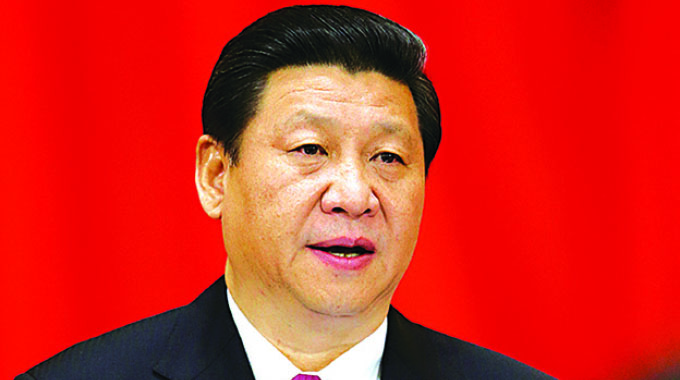
SINGAPORE/BEIJING. – China’s stance on Russia’s war in Ukraine over the coming months will reshape global flows of money and trade, possibly leading to the emergence of new economic spheres, investors say.
Last month, shortly before Russian President Vladimir Putin sent his forces into Ukraine, he and Chinese President Xi Jinping declared in Beijing a “no limits” partnership, with a promise to collaborate more against the West.
Beijing has declined to join Western countries in condemning what Moscow calls a ‘special military operation’ while also calling for restraint on all sides.
Sino-Russian trade surged 35 percent in 2021 to US$146,9 billion, Chinese customs data show, a trend likely to be turbo-charged by sweeping new sanctions that cut Russia from Western markets.
A shift in trade flows has been brewing since Russia’s annexation of Crimea from Ukraine in 2014, said Tom James, chief executive of TradeFlow Capital Management in Singapore.
“Russia has already started trading in renminbi with China,” he said, adding that banks can deal with each other outside the SWIFT network – from which Moscow is now blocked – and Beijing could benefit greatly, though not without risks.
Just over a quarter of Chinese exports to Russia were settled in yuan in the first half of 2021, up from just 2 percent in 2013, as both countries seek to cut reliance on the dollar.
“The X-factor is tariffs and sanctions or quotas, if they’re placed, in terms of how much Russian produce countries are willing to take,” James said. “It’s already triggering something of a protectionism from countries for food security.”
China’s hitherto steady currency has also started to show flashes of vulnerability and volatility and on Tuesday hit a three-month low.
“The pressure is very big at the moment,” one Chinese government adviser told Reuters on condition of anonymity.
“It’s pragmatic to buy some oil and gas from Russia, but everybody is watching you,” he said. “We don’t want to upset Russia, but at the same time it’s difficult not to side with the majority of countries.”
Asked about the risks Beijing might face if it provides economic help to Moscow, including sanctions blowback, China’s foreign ministry said in a statement: “China and Russia will continue to carry out normal economic and trade cooperation in a spirit of mutual respect, equality and mutual benefit.”
But stress to global trade resulting from the war is already apparent in export bans and supply chain snarls.
Food buyers are scrambling for rice to replace Ukrainian and Russian wheat, a fertiliser shortage looms as the world is cut off from Russian potash – a key ingredient – and there seems to be little momentum to repair the globalised system.
In its place are hints at a new order where Russia’s commodity and energy exports find markets in China and India.
India, meanwhile, a buyer of Russian military hardware, is mulling an offer for cheap Russian crude and, according to banking sources, is exploring setting up a payment mechanism for rupee-rouble trade.
Decisions in China, the world’s biggest exporter, have the potential to drive sizeable flows of money and goods outside a dollar-dominated system – something Beijing has sought to do for a decade.
This week the Wall Street Journal reported that talks between China and Saudi Arabia about trading oil for yuan rather than dollars had accelerated, perhaps a step forward in the efforts to promote the yuan as a trade and reserve currency. – Reuters


 Online Reporter