Online Reporter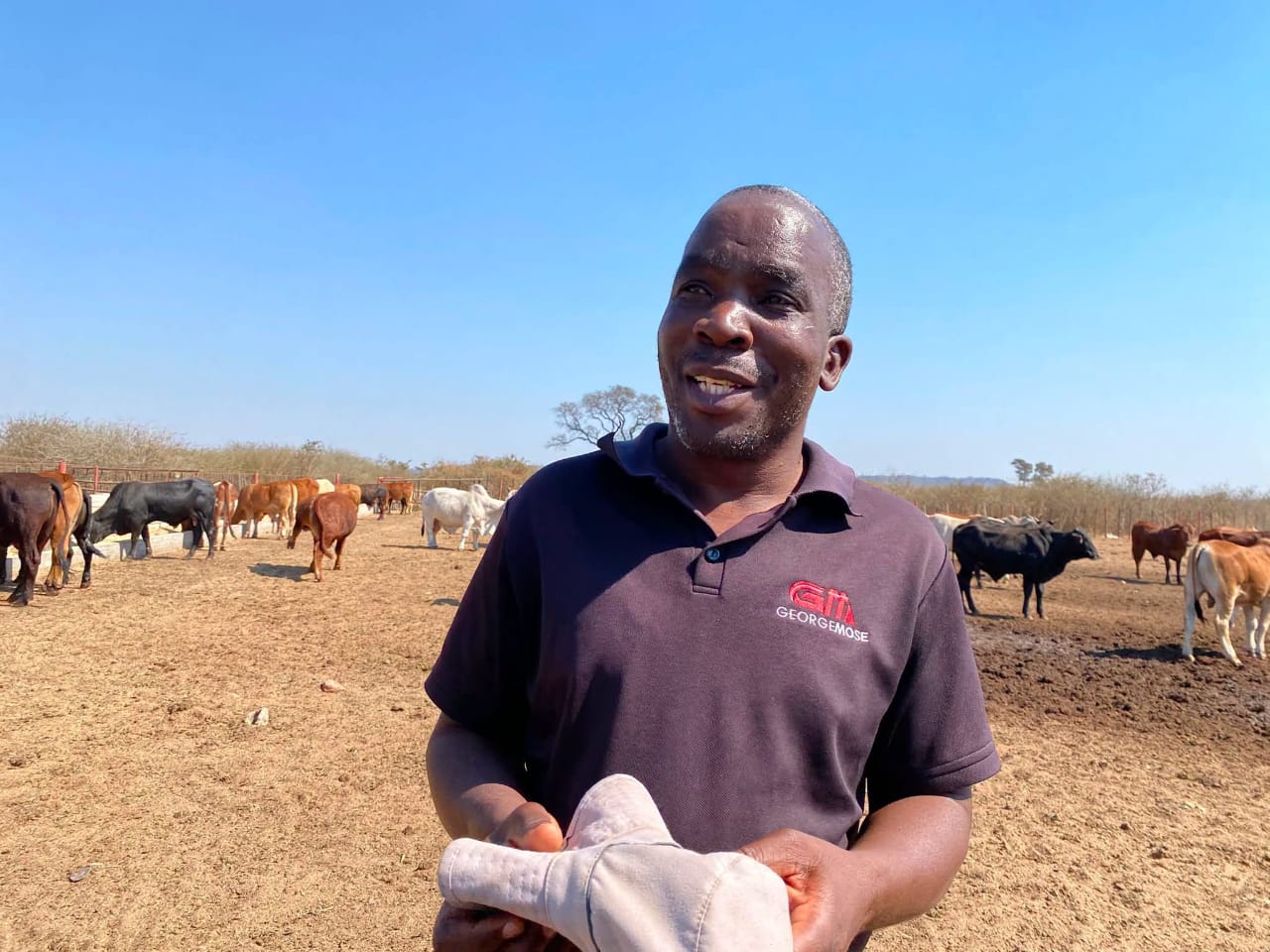
Judith Phiri, Sunday News Reporter
FARMERS in Umguza District, Matabeleland North Province have transformed their lives through climate-smart beef production, farmer partnerships and strategic feed management aimed at strengthening the livestock sector.
They have established the George Moss Feedlot at Plot 5 of Lot 29 in Ward 8, which currently holds 136 cattle and sources animals from communal and commercial farmers, creating a reliable market while supporting producers with technical advice on animal health and management.
Giving an update to the Ministry of Agriculture, Mechanisation and Water Resources Development, livestock and feedlot manager Mr Mkhululi Dube said the enterprise focuses on producing quality beef at competitive prices.
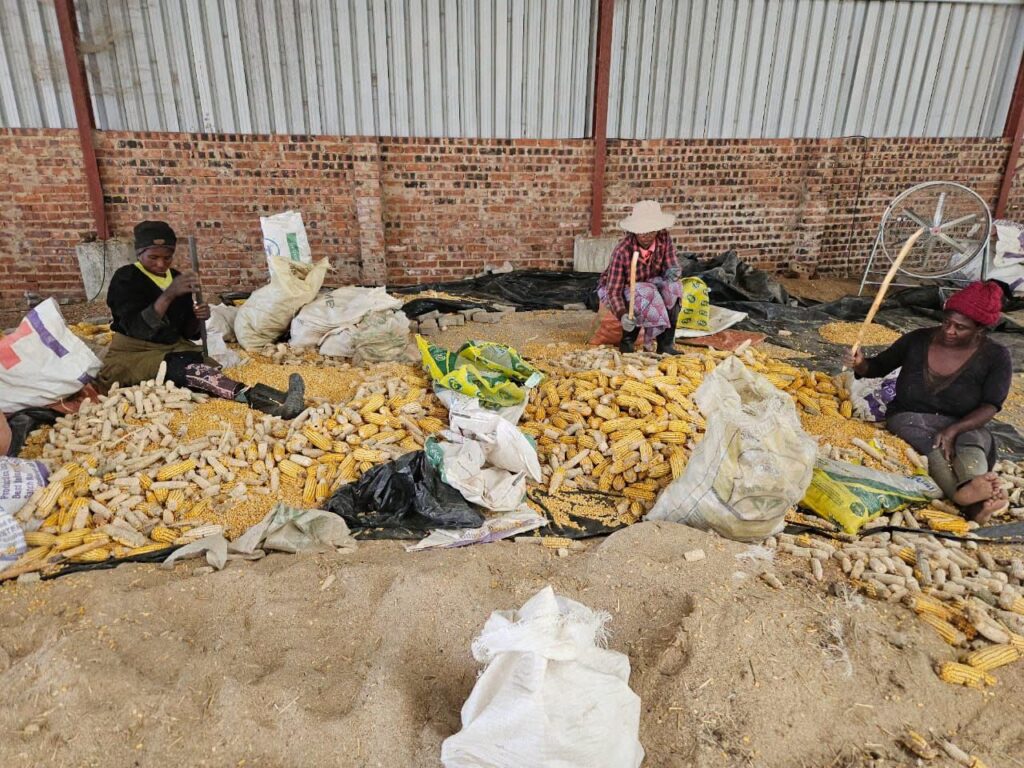
“We make our own feed, reducing costs and ensuring consistent livestock nutrition. The operation has already established partnerships with about 25 to 30 regular cattle suppliers across the province.
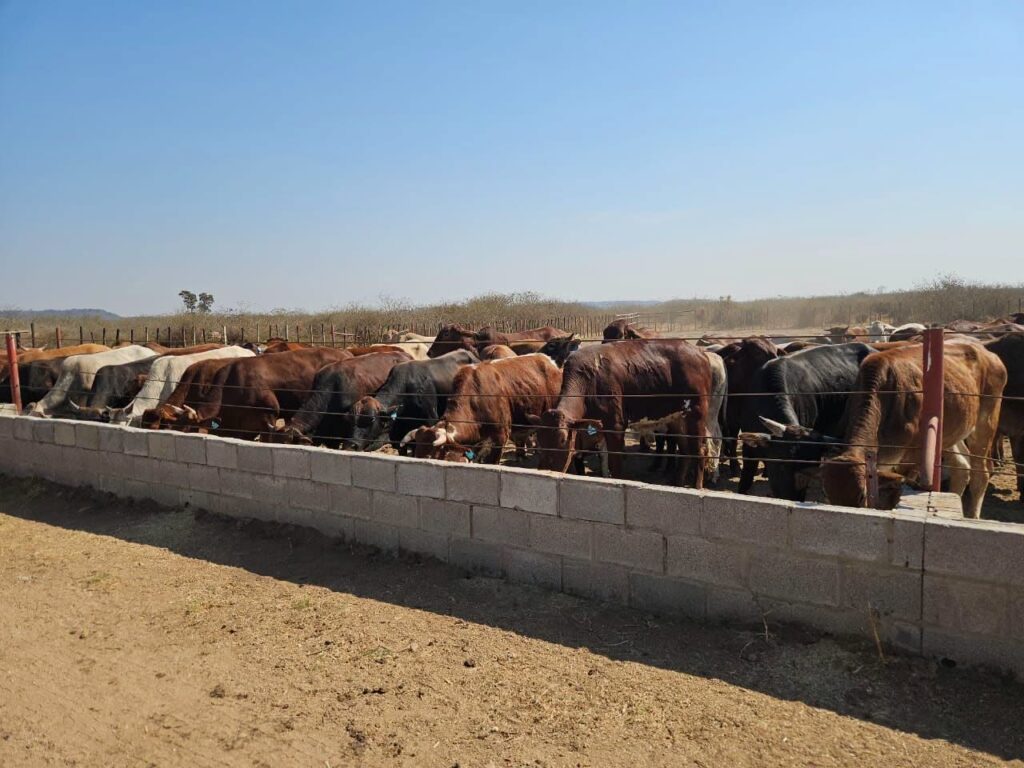
“In response to climate change and recurrent droughts, George Moss Feedlot is expanding closer to rural communities through satellite feedlots in areas such as Lubanji and Binga,” he said.
He said the model will reduce transport costs for farmers, improve market access and strengthen livestock production at the grassroots level.
The company has also invested in climate resilience through feed reserves, with four silage pits already filled to sustain cattle during dry periods.
“The silage, produced from maize and cereal residues, will support both the feedlot and partner farmers, helping communities maintain productive herds despite harsh climatic conditions,” he added.
“Over the next five years, George Moss Feedlot aims to increase its capacity to 2 400 cattle, positioning itself as a major beef supplier while complementing the Government’s efforts to build a resilient and productive livestock sector.”
The development shows how farmers are proving that small, smart innovations, such as silage pits, home-grown feed and satellite feedlots, are the real drought insurance.
This also comes at a time when the Government is stepping up efforts to cushion farmers against the predicted El Niño phenomenon.
Dubbed a powerful “Super” El Niño, global weather models indicate a 90 percent probability that the weather event will develop during the 2026/27 summer growing season.
George Moss Farm spans 600 hectares of productive land, a subdivision that management has operated for the past four years. The feedlot runs a capacity of two thousand four hundred head of cattle, held in four feeding pens.
Twelve employees, including youth and women, keep the operation running daily, while students on attachment from Esigodini College rotate through the farm on a skills-swap basis, in both livestock management and horticulture.
The farm purchases lean steer cattle, preferring crossbred exotic breeds, particularly Brahman crosses, fattens them over a ninety-day pan-fattening cycle, and supplies premium beef to buyers nationwide through partner Valley Visions.
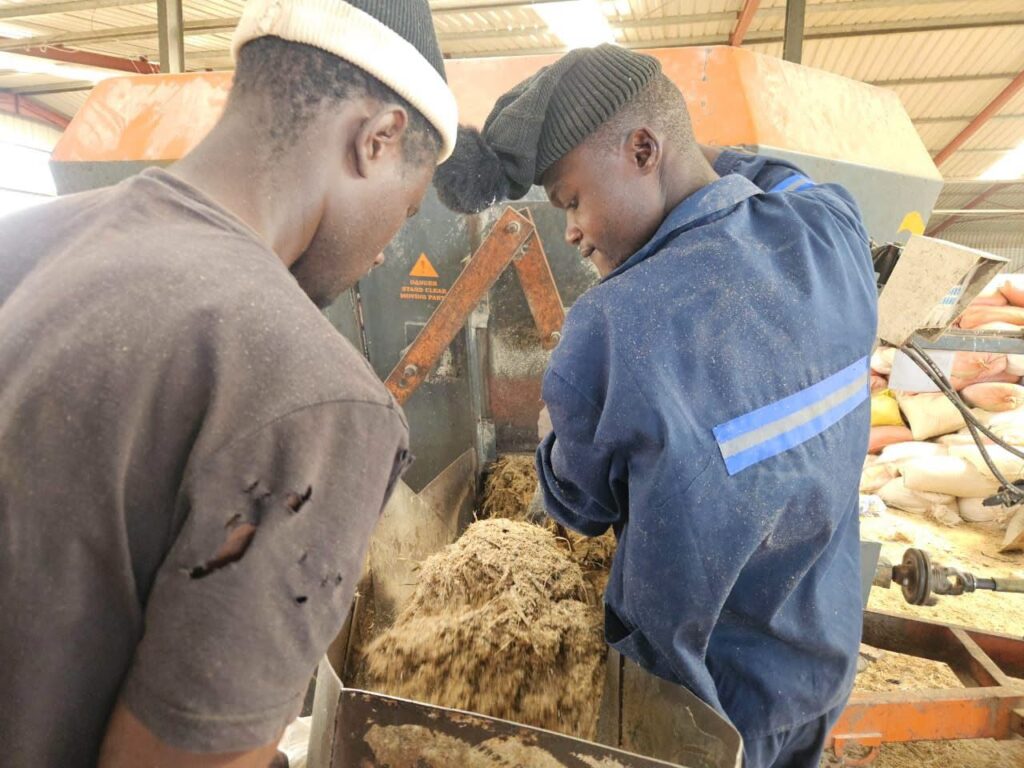
Mr Dube said the farm cultivates its own cereals, maize and wheat. Wheat stalks from the farm are processed into silage, filling four massive pits now sitting at full capacity, ready to sustain the herd through the lean, dry months ahead.
“The farm’s reach extends well beyond its own fence line. Between 25 and 30 rural farmers from across Matabeleland North supply cattle to George Moss on a regular basis.
“The herd currently stands at 136, rebuilding after the foot-and-mouth disease (FMD) disruptions. The farm maintains a fully vaccinated feedlot, meeting biosafety standards for national beef markets,” he added.