Online Reporter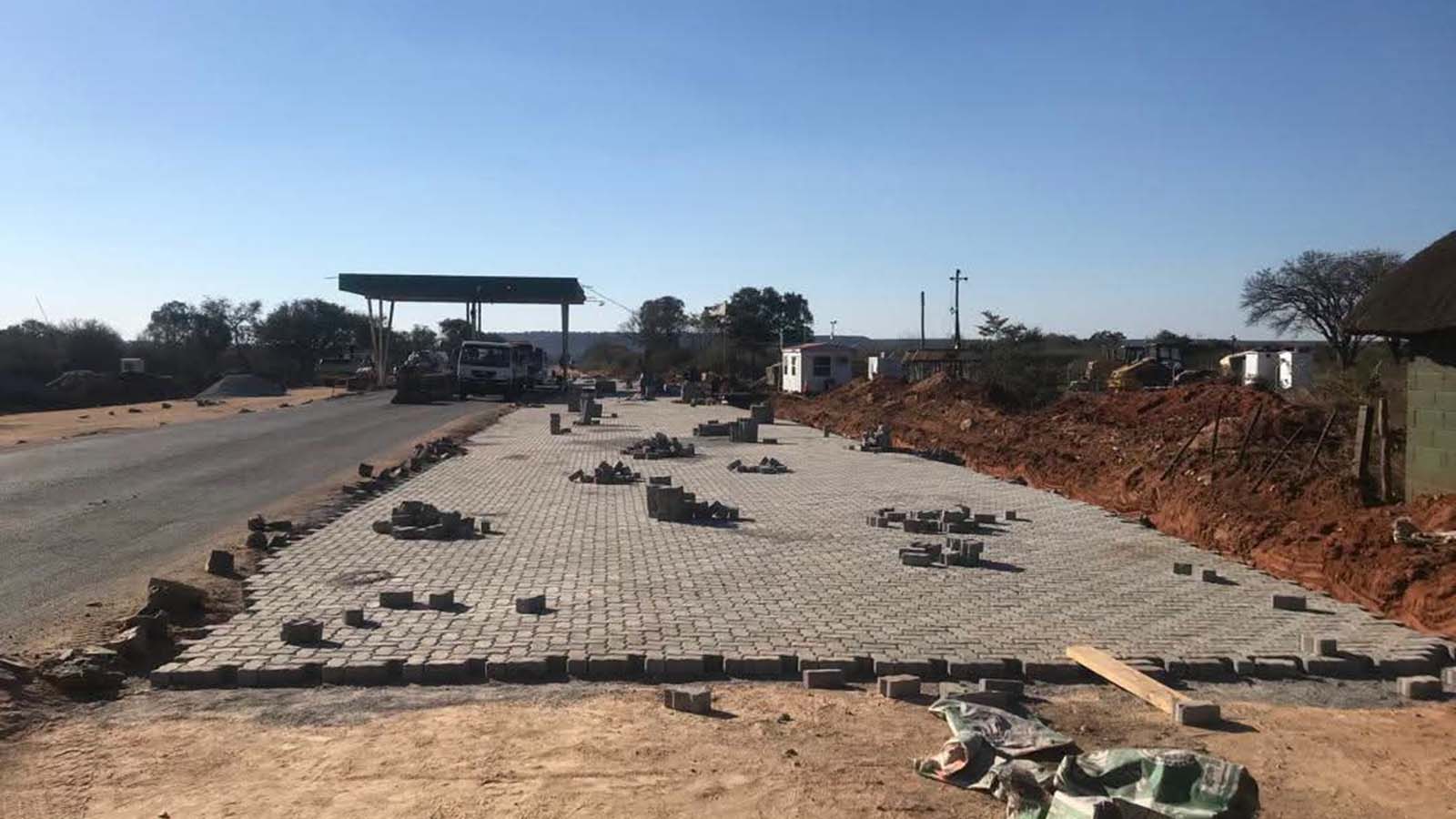
Freeman Razemba
Senior Reporter
Work is now underway on the Umguza Tollgate Lane widening project in Matabeleland North province, an initiative designed to improve traffic flow and enhance the tolling experience for motorists.
The project is a collaboration between the Zimbabwe National Road Administration (ZINARA) and Umguza Rural District Council (RDC).
Umguza RDC is participating in the lane expansion works using its in-house equipment and technical capacity.
In a statement, Zinara said the Department of Roads, under the Ministry of Transport and Infrastructural Development, is providing quality assurance oversight throughout the process.
“The upgrade will expand the tollgate approaches from one to three lanes in each direction. One lane per side will be dedicated as an e-Tag Express Lane, offering faster, more convenient passage for motorists while promoting the adoption of electronic tolling, Zinara said.
“Upon completion, the project is expected to reduce congestion, shorten waiting times, and boost operational efficiency at the tollgate. It also supports the national rollout of modern electronic toll collection systems.
“This partnership underscores the value of equipping road authorities with the right resources and skills, showing how public institutions can collaborate to deliver quality infrastructure efficiently and cost-effectively.”
Zinara recently announced that it is set to build more toll plazas and roll out e-tags countrywide to improve efficiency, motorists’ convenience and reduce operational costs.
The ZINARA eTag is a Radio Frequency identification (RFID)-based electronic toll payment solution designed to deliver a faster, safer and more convenient travel experience across Zimbabwe’s toll network.
Launched in December 2024, it enables cashless, automatic toll deductions from a prepaid or linked account, improving efficiency for motorists and operators alike.
So far, Zinara is also implementing E-tolling, a cashless system that enables road users to make payments for road use using card facilities or e-tags at toll gates, without requiring vehicles to stop.
The process does not require physical toll booths on the highways.