Online Reporter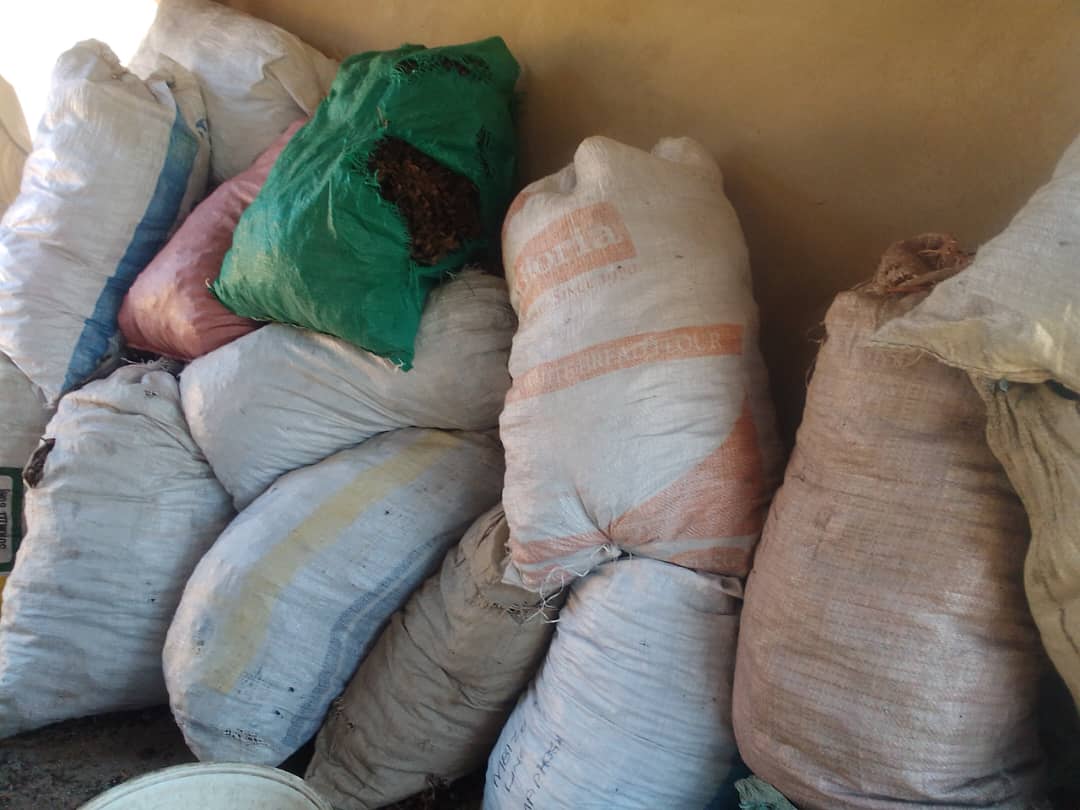
Nothando Zondo, @[email protected]
Communities in Wards 6 and 7 of Umzingwane district are finding new ways to earn a living by harvesting indigenous wild fruits. The fruits are being used as livestock feed and are helping families cope with drought while improving household incomes.
Last year, when poor rains led to low crop yields, many families turned to Mahabaha fruits. This year, with less Mahabaha fruits available, villagers have shifted to collecting Acacia, locally known as Ugagu fruits. Both types of fruits are in high demand from livestock farmers.
Ward 6 community leader Mr Gift Dube said people decided to work together and turn a difficult farming season into an opportunity.
“Last year’s drought left many families with little or no harvest in their fields,” said Mr Dube.
“Instead of just waiting for food aid, villagers organised themselves. They harvested Mahabaha fruits, dried them, and sold them to livestock farmers.”
He said about 40 tonnes of Mahabaha fruits were collected and sold last year and that many households used the money to buy food, pay school fees, cover medical costs, and meet other family needs.
Mr Dube said Mahabaha fruits, rich in protein and carbohydrates, are a good supplementary feed for cattle, especially during the dry season when grass is scarce.
“The income also helped families to keep their livestock. Without this money, many people would have been forced to sell their cattle and goats at low prices during the drought,” he said.
The fruits attracted several buyers, he added, among them were local livestock farmers, Dr Mluleki Ncube, former Matabeleland South Provincial Affairs Minister Cde Angeline Masuku, and Umzingwane legislator and Deputy Minister of Defence, Brigadier General (Retired) Levi Mayihlome.
“This year there is less Mahabaha, but Acacia fruits are plenty. They are also very good for livestock. They have protein, carbohydrates, fibre, and important minerals,” said Mr Dube.
He also mentioned that communities have again come together to collect, dry, and sell the fruits and that they have since bought about 200 bags of Acacia fruits from local villagers.
That, he said, has put hundreds of United States dollars directly into the community. More buyers have also shown interest.
Mr Dube said the initiative shows how natural resources found in the bush can help rural families survive tough times.
“This is proof that our indigenous trees and fruits can build community strength. They give us food for our animals and money for our homes,” he said.
“Wild fruits are an extra source of income for rural areas. But we will only keep getting them if we protect the trees that produce them. Cutting down trees for firewood without replanting hurts us in the long run.”
He urged villagers to avoid cutting Mahabaha and Acacia trees and proposed that they should collect fallen fruits and protect young trees so they can grow.
Mr Dube also encouraged planting more indigenous trees in community areas and around homes.
“Forests are not just about wood. They give us fruits, medicine, shade, and feed for animals. If we look after our forests, our children will also benefit from them,” he said.
Experts say wild fruits can play a big role in rural development. In drought-prone districts like Umzingwane, crops often fail. But indigenous trees are hardy and can still produce fruit even with little rain. That makes them a reliable source of food and income.
Selling wild fruits also creates small business opportunities. Villagers earn cash without having to leave their communities. The money circulates locally and helps families meet daily needs.
Mr Dube said the success in Wards 6 and 7 should inspire other wards.
“We want other communities to learn from us. Look around your area. What trees and fruits do you have? How can you use them in a way that helps both people and animals?” he said.
He added that the Government departments and development partners can help by providing training on proper harvesting, drying, and storage. This will improve the quality of the fruits and help villagers get better prices.
“With the right support, wild fruit harvesting can become a real industry in rural areas,” Mr Dube said. “It can create jobs, support livestock farming, and help families stand on their own feet.”
For now, communities in Umzingwane are busy collecting Acacia fruits.
They are drying them in the sun and packing them in bags for sale. The extra income is already making a difference in homes.
“Drought will come again. But if we take care of our forests today, our wild fruits will help us tomorrow,” he emphasised.



 Bongani Ndlovu