

 Online Reporter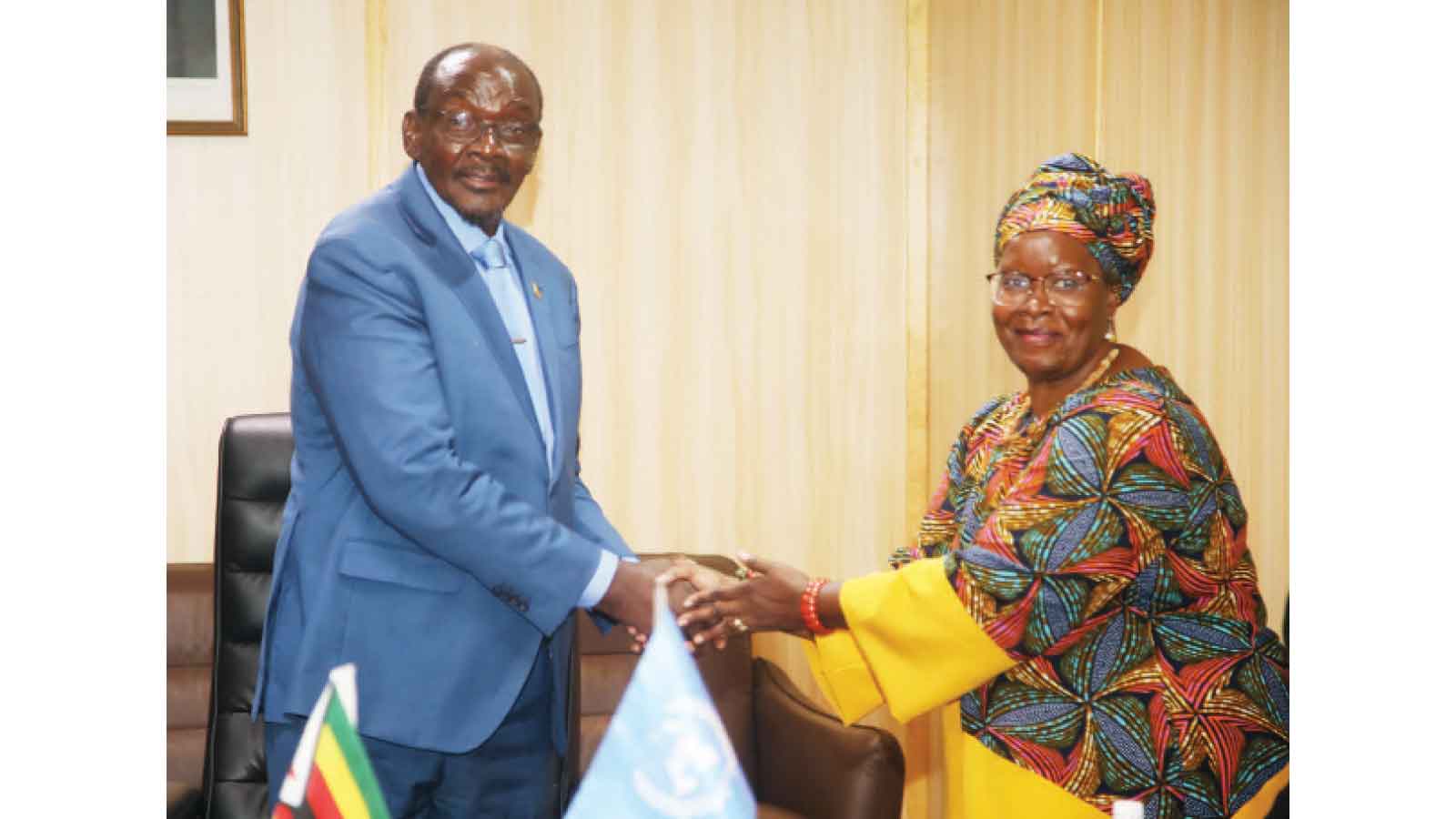
Nyore Madzianike-Senior Reporter
ASSISTANT Secretary-General and UN Women’s Deputy Executive Director Dr Nyaradzayi Gumbonzvanda yesterday paid a courtesy call on Acting President Dr Kembo Mohadi at his offices in Harare, where they discussed Zimbabwe’s efforts to advance women empowerment within the framework of the National Development Strategy 2.
Dr Gumbonzvanda said the discussions focused on initiatives to improve the status of women, gender equality and the United Nations’ support to Zimbabwe.
“It was a very deep discussion that we had with the Acting President. A discussion that transcends the substantive efforts that the country is doing to advance the situation of women,” she said.
“We also discussed the importance of clarifying that gender equality actually means equality of opportunities for girls, for boys, for men, for women.
“And also, that we must have the courage together as the UN and with our member States like Zimbabwe to also continue to uphold multilateralism, to continue to uphold the core values of the United Nations.”
Dr Gumbonzvanda expressed appreciation for the opportunity to engage Acting President Mohadi on women empowerment issues.
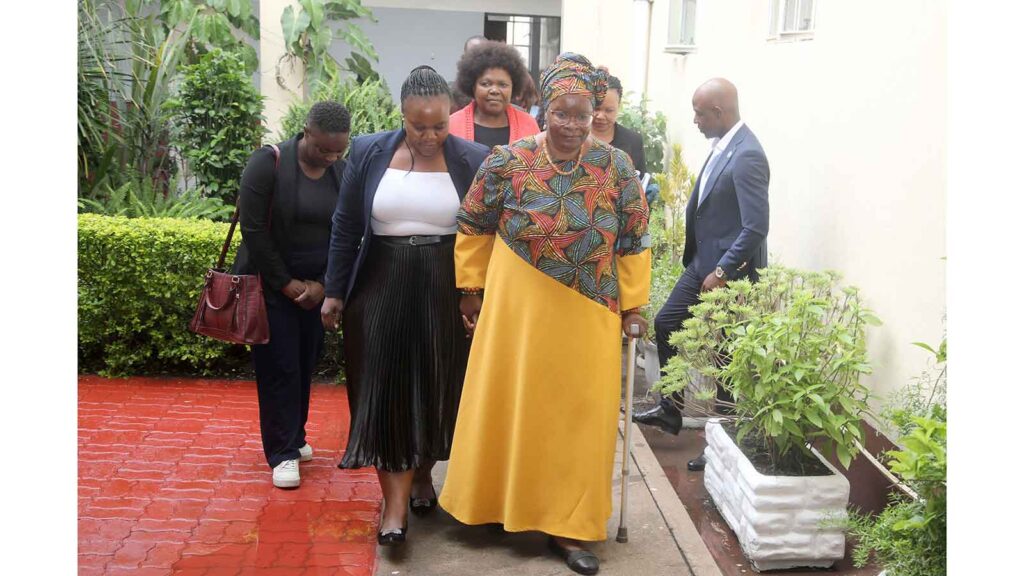
Dr Gumbonzvanda said the discussions focused on initiatives to improve the status of women, gender equality and the United Nations’ support to Zimbabwe.
She said her delegation is in the country to interrogate issues relating to empowerment of women and girls, advancing equal opportunities and supporting Zimbabwe’s development agenda.
“We are here to listen to what are the critical issues related to our mandate on empowering all women and girls, the issues around human rights for women, and also the issues of advancing opportunities, equal opportunities for women.
“UN Women is present in this country. We are part of the United Nations in this country. So, we are also here to support the collective effort of the United Nations to support and contribute to the efforts of Zimbabwe within the framework of the NDS2.
“It is very important for us as the United Nations that our efforts are to contribute to the member States of the United Nations,” she said.
The UN Women delegation is in the country to engage ordinary women, girls, and communities. The visit involves engagements with organisations to assess local developments against global trends, including issues such as domestic violence and economic empowerment for women.
Said Dr Gumbonzvanda: “So, the interaction with the women’s organisation, the women’s groups, the young people is also very important. This week is also to reflect on what is happening globally and how and what it means for Zimbabwe.
“So, it has been a very wonderful three days to understand some of the issues affecting women, the issues of violence against women, and the importance of continuously lifting the economic empowerment for women.”
She noted the need to end child marriages, improve household food security and continue supporting young people.
“That is why I am very proud to see Zimbabwe having the youth strategy that is there and to see a continued commitment to the issues. But also, ultimately, it is also about 50 percent of the population contributing to the wellbeing, to nation-building; so, the issue of women in decision-making remains important.
“We still see that Zimbabwe still has some way to go. Even if we have so many women in significant positions, which we appreciate, we still do not have an adequate representation of women in decision-making.
“Therefore, we are very excited, very interested to see how the Gender Equality Bill would evolve, how the proportional representation discussions would evolve, because these are the tools and ways in which we can also achieve gender parity,” she said.
Dr Gumbonzvanda encouraged the country to continue investing in land rights, rural women and equality of opportunities in agribusiness.
The delegation is in the country for some days to contribute, listen and advise, she said. As UN Women and as the Deputy Executive Director of UN Women, she is grateful for the support and the collaboration with Zimbabwe.
Reduced global funding for development, noted Dr Gumbonzvanda, is affecting the capacity of organisations such as UN Women to deliver support.
The development, she added, calls for conversations around domestic resource mobilisation to establish how nations can be built, women and girls empowered and access to basic services at the community level ensured.



