Ivan Zhakata-Herald Correspondent
THE United Nations has called for urgent and coordinated measures to ensure children and adults with autism are fully integrated into society amid concerns that stigma, late diagnosis and limited support services continue to leave many families struggling.
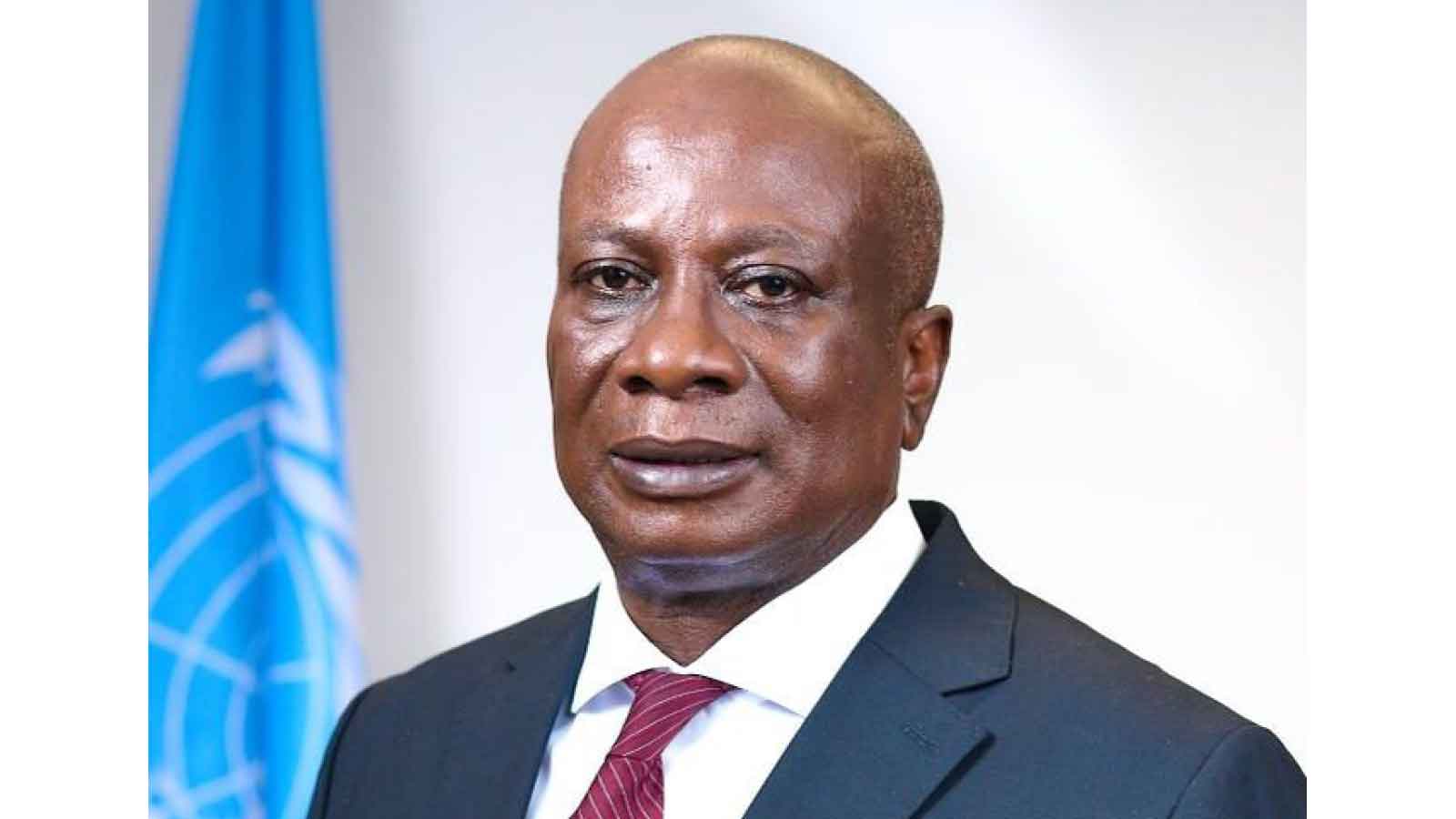
In a statement yesterday ahead of the International Autism Awareness Day commemorated today, United Nations Resident and Humanitarian Coordinator in Zimbabwe Mr Edward Kallon said autism should be treated as a human rights issue, with inclusive education, healthcare and employment opportunities guaranteed for all.
The commemorations are being held under the theme, “Autism and humanity — Every life has value.”
Mr Kallon said autism was part of human diversity and should not be viewed as a limitation.
“Autism is not a limitation, it is part of the rich human diversity that strengthens Zimbabwe,” he said.
Mr Kallon said the UN system in the country stands in solidarity with persons with autism and their families, insisting that every Zimbabwean deserves the opportunity to learn, work, contribute, and belong.
Mr Kallon said despite progress made in strengthening legal and policy frameworks, many persons with autism remain excluded from essential services and opportunities due to stigma, limited awareness and inadequate services.
“Families often experience late diagnosis, limited information, and insufficient support,” he said.
Mr Kallon said schools and workplaces are still not adequately equipped to embrace neurodiversity, a development that continues to affect the full participation of persons with autism in national development.
The rights of persons with autism, he added, are protected under the Convention on the Rights of Persons with Disabilities, to which Zimbabwe is a State Party as well as under the country’s domestic laws.
Mr Kallon said the Education Act of 2020, the National Disability Policy of 2021 and the Persons with Disabilities Act of 2025 were key milestones which demonstrate Zimbabwe’s commitment to safeguarding the rights of persons with disabilities.
“These collectively demonstrate the nation’s commitment to ensuring the rights of persons with disabilities,” he said.
Mr Kallon, however, said the focus must now shift from policy formulation to implementation.
“The priority now is implementation, translating these frameworks into accessible services, adequate financing and measurable results across all communities,” he said.
Mr Kallon called on Government institutions to mainstream disability inclusion into planning, budgeting and service delivery systems.
He also urged the private sector to adopt inclusive employment policies and recognise the value that persons with autism bring to the workplace.
“The private sector also has a critical role by adopting inclusive hiring practices and recognising the value that neurodiversity brings to the workplace,” Mr Kallon said.
He said families remain at the centre of the autism journey and should be supported with information, emotional support and practical assistance.
“No parent or caregiver should feel isolated, and no child should be denied opportunities because of misunderstanding,” said Mr Kallon.
It is important to ensure that persons with autism were directly involved in shaping policies and programmes that affect them.
Mr Kallon urged Government, civil society, development partners, academia and communities to work together to build an inclusive Zimbabwe where no one is left behind.
“When their rights are upheld, we strengthen our society, accelerate progress towards the Sustainable Development Goals and move closer to a future where no one is left behind,” he said.