Online Reporter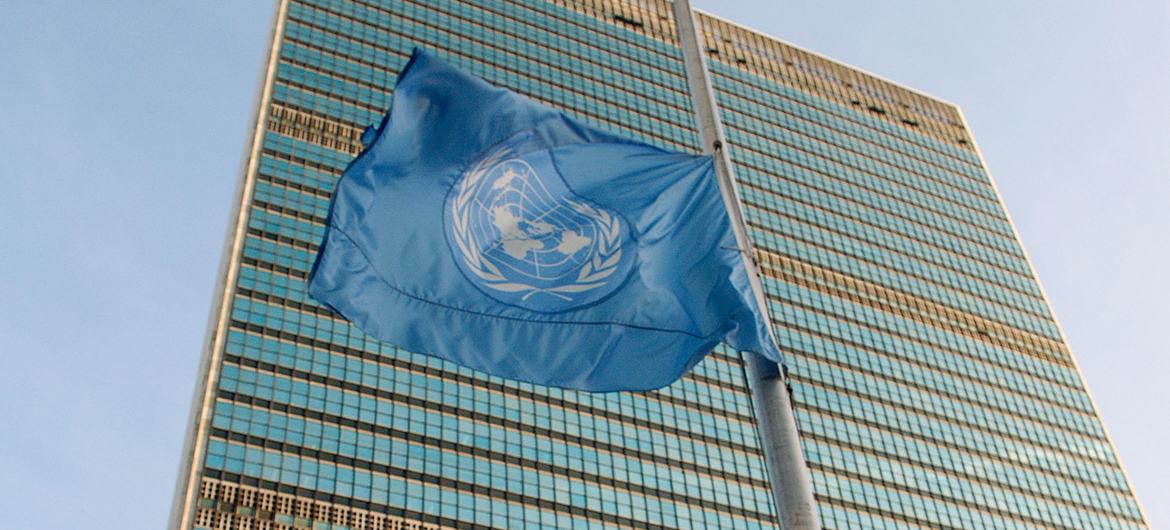
The Herald, 16 October 1992
TEN United Nations observers arrived in Mozambique yesterday to monitor a ceasefire to end 16 years of armed conflict, a UN spokesman said.
A second group was expected to follow the 10 UN, French and Russian officials later yesterday, completing an advance party of at least 25 observers and support staff.
Under a peace accord signed by the government and the MNR on October 4 and ratified by parliament on Monday, the ceasefire takes effect on the day the UN team is deployed.
But it was not immediately clear how deployment would be defined and whether yesterday would be officially considered ceasefire day, or “E-day” as it is described in the agreement.
The issue is important because all combatants are to have moved to UN supervised assembly points five days after E-day.
The UN Security Council authorised the dispatch of the advance party on Tuesday to begin monitoring the accord signed by President Joaquim Chissano and MNB leader Mr Afonso Dhlakama.
The team, which will also prepare a major UN peacekeeping operation, consists of at least 25 military observers as well as a number of administrative personnel.
The team is headed by interim special representative Mr Aldo Ajello, a 56-year-old former ltalian member of parliament who has been an assistant administrator of the UN Development Programme since 1984.
The observers will be based in the three main cities, Maputo, Beira and Nampula and will draft recommendations enabling UN Secretary-General Dr Boutros Boutros-Ghali to submit plans to the Security Council for the launching of a full-scale UN Operation in Mozambique to be called Unomo.
Unomo will take over the monitoring of the ceasefire.
Lessons for today:
The arrival of UN truce observers in Mozambique in October 1992 offers valuable insights into both the historical context of Zimbabwe-Mozambique relations and broader lessons about peacebuilding, regional solidarity, and international cooperation.
The passage marks a pivotal moment in Mozambique’s history, the beginning of the end of a 16-year civil war between the government and the Mozambican National Resistance (MNR or RENAMO).
The UN’s involvement through ceasefire monitoring and peacekeeping (UNOMO) highlights the importance of international support in post-conflict recovery.
Zimbabwe played a significant role in supporting the Mozambican government during the civil war, particularly through military and logistical support.