Online Reporter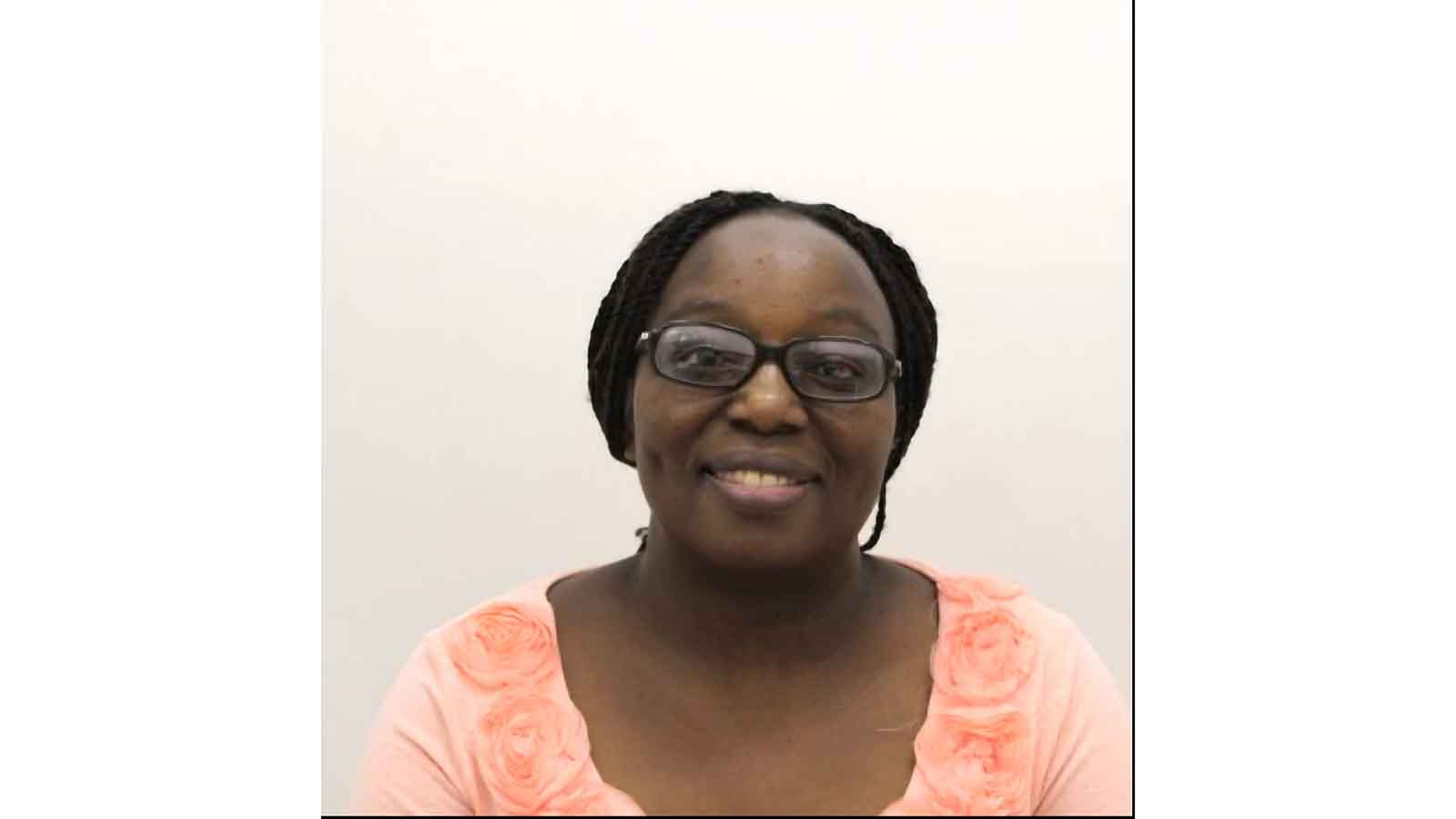
Fungai Lupande
Mashonaland Central Bureau
UN Women has embarked on consultations with stakeholders in Mashonaland Central to align its next country cooperation framework with Zimbabwe’s development priorities under the National Development Strategy 2 (NDS2), Deputy Country Representative Dr Loveness Makonese has said.
Speaking during a strategic consultation meeting in Bindura today, Dr Makonese said the United Nations agency was reviewing its programmes to ensure they respond to the realities faced by women and girls at provincial and community levels.
The consultations are part of preparations for UN Women’s 2027–2031 strategic framework, which seeks to strengthen support towards women’s empowerment and gender equality.
“Previously, we would validate our programmes at national level, but we are realising that if we are going to align with Government priorities, we need to come to the provinces because the issues in Mashonaland Central are different from those in other provinces,” Dr Makonese said.
UN Women works with Government ministries, departments and agencies, civil society organisations and communities to advance gender equality, with its mandate centred on empowering women and girls.
Dr Makonese said persistent challenges affecting gender equality in Zimbabwe included limited financing for gender programmes, low representation of women in leadership positions, and rising cases of gender-based violence.
She said less than one percent of national resources were dedicated specifically to gender equality programmes, affecting efforts to address inequalities.
“Without adequate financing, we cannot effectively account for women and girls. Gender equality must be properly resourced,” she said.
Dr Makonese also highlighted barriers preventing women from participating in politics, including financial constraints, social stereotypes, harassment and violence.
She said women often faced unfair scrutiny of their personal lives compared to male candidates, while the commercialisation of politics created additional barriers for women seeking leadership positions.
The UN Women official called for a whole-of-society approach involving Government, traditional leaders, communities, men and boys to address harmful social norms and create safer environments for women and girls.
She said the agency would use feedback from provinces to design programmes that deliver tangible benefits to women and girls while complementing Government efforts towards inclusive development.