Online Reporter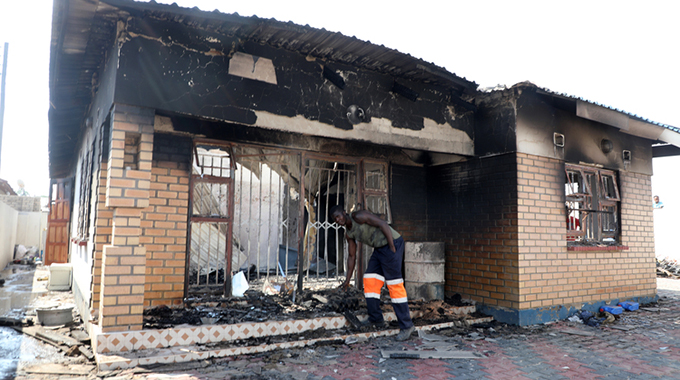
THE shocking report that ZWG15 million worth of property was lost to fire in the single month of August alone in Bulawayo is an aide-mémoire of the devastating power of fire.
This figure, while staggering in its own right, represents far more than a simple financial loss.
It is a tangible sign of destroyed livelihoods, business disruption, and the tragic consequences of a threat we must take far more seriously.
The economic impact of fire extends well beyond the initial property damage.
When a factory or shop burns down, it’s not just the building that is lost; it’s the jobs, the stock, and the continuity of the business.
Entire supply chains can be disrupted, affecting countless other enterprises, leading to a ripple effect of economic hardship.
Furthermore, the financial strain on the nation’s emergency services and the long-term cost of rebuilding and recovery place a significant burden on the public purse.
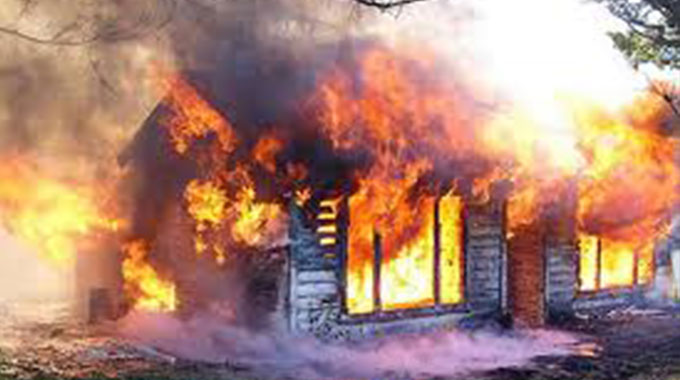
Fire is a silent and often underestimated threat to our economic stability and social well-being.
To truly address this issue, a comprehensive and proactive approach is needed, drawing lessons from international best practices.
It begins with a collective societal realisation of the risks.
There must be a robust public awareness programme on fire safety and prevention, promoting simple but crucial measures such as the correct use of electrical appliances and the proper storage of flammable materials.
For example, countries like the UK have had great success with “Safe and Well” initiatives, where fire services conduct home visits to identify and mitigate risks, focusing on vulnerable individuals.
Meanwhile, in the US, public information campaigns like Smokey Bear have been highly effective in raising awareness of the dangers of wildfires and the importance of prevention.
Furthermore, a multi-layered approach to fire prevention must include regulatory and technological solutions. This means a strict enforcement of building and fire safety regulations, ensuring that all properties are constructed with fire-retardant materials and equipped with modern detection systems.
In countries such as Japan, building codes are particularly stringent, with an emphasis on compartmentalisation and fire-resistant materials, a response driven by the twin threats of earthquakes and fire.
Beyond regulation, innovative technology offers a path forward.
Early warning systems that can detect fires in their incipient stage, smart home devices with linked alarms, and drone technology for monitoring remote areas all represent vital investments.
Lastly, we must invest in our fire services.
Providing them with better training and modern, well-maintained equipment is not a cost, but a necessary investment in our future. It is pleasing to note that the Second Republic has purchased fire trucks, but more needs to be done.
We can also learn from countries like Australia and Canada, where advanced land management practices, including controlled burns and strategic vegetation clearing, are used to create fire breaks and reduce the fuel load, protecting both communities and the environment.
Only through this combination of public education, stringent regulation, technological adoption, and adequate investment can we hope to extinguish this threat before it takes hold.