Londile Moyo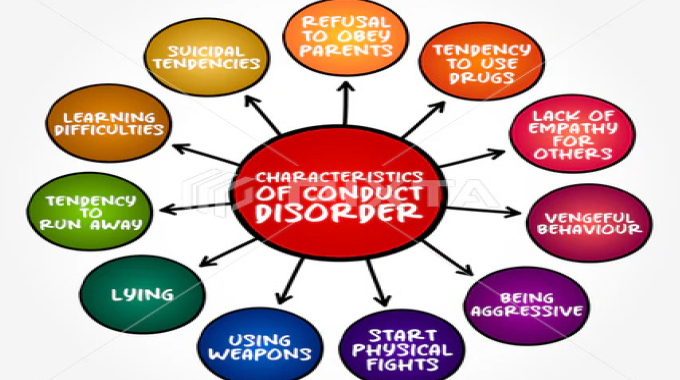
Pauline T Nenerai
Conduct disorder is a mental health condition in which a child or teenager displays a persistent pattern of aggressive and disobedient behaviour that harms the wellbeing of others.
It is more than just a “difficult phase”. Children with conduct disorder often break rules and violate social norms, both at home and at school.
This behaviour can include physical aggression, damaging property, theft, lying, bullying, or running away from home. They may also skip school, abuse alcohol or drugs, and show little concern for the rights of others.
Who does it affect?
Conduct disorder usually begins in childhood or early adolescence and is rarely diagnosed in adults.
While it can appear before the age of 10, it is most common between the ages of 10 and 19. Boys are diagnosed more frequently than girls. Globally, it affects around 2 percent to 2.5 percent of children — about 3–4 percent of boys and 1–2 percent of girls.
Experts say these behaviours often develop gradually. Children with conduct disorder may be impulsive, easily frustrated, and struggle to regulate their emotions. They frequently have difficulty with attention and may come from unstable family environments where parental guidance is limited. Studies have linked poor parenting and family hardship to higher rates of the disorder.
The impact
If left unaddressed, conduct disorder can lead to serious problems later in life. These may include dropping out of school, poor job performance, substance abuse, legal issues, and difficulties in maintaining relationships. At school, affected children may be rejected by peers or even expelled.
Signs to look out for include aggression towards people or animals; destruction of property or deliberate fire-setting; lying, stealing, or breaking into homes; bullying, physical fights, or threatening others; running away from home or frequent truancy; and blaming others while showing little remorse.
Management
Conduct disorder is treatable, and early intervention makes a significant difference. Management typically involves long-term support, including:
λ Therapy – Cognitive behavioural therapy helps children develop coping skills, manage anger, and improve social behaviour.
λ Family therapy – This supports parents in setting clear boundaries, using consistent discipline, and strengthening communication.
Other approaches include strengthening the school support system, where teachers and counsellors work with families to manage behaviour in the classroom. In addition, regular exercise, adequate sleep, proper nutrition, and strong family relationships can help reduce disruptive behaviour.
In some cases, medication may be prescribed to treat related conditions such as ADHD or depression.
The bottom line
Children with conduct disorder need support, not just punishment. Like any child, they benefit from love, encouragement, and consistent guidance. Feeling safe and valued can help reduce disruptive behaviour.
If you are concerned about a child’s behaviour, seek advice from a healthcare provider, school counsellor, or mental health professional for proper assessment and support.
Note: This article is for informational purposes only and is not a substitute for professional medical advice.
*Pauline Nenerai is an Assistant Educational Psychologist in the Ministry of Primary and Secondary Education.



 Online Reporter