Online Reporter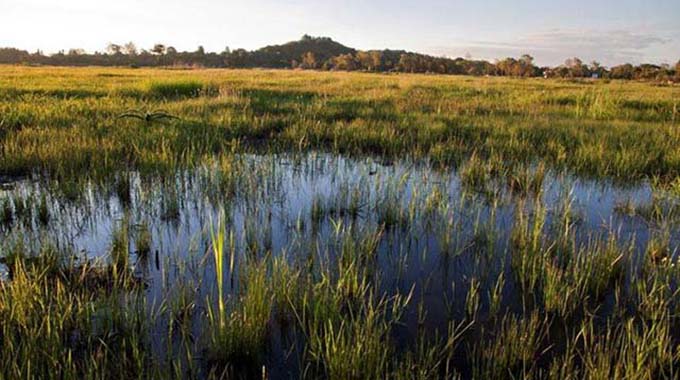
Thupeyo Muleya, Beitbridge Bureau
The United Nations Development Programme (UNDP) Zimbabwe office, working with the Government and communities, is working on several initiatives to restore wetlands across the country.
The programme includes, among other things, harnessing nature-based solutions that protect biodiversity, restore degraded ecosystems, and empower local communities.
In a statement on Wednesday, UNDP Zimbabwe said so far they have covered areas in Mbire, Binga, Midlands and the urban wetlands of Harare among other areas.
Tree planting and wetland restoration have become cornerstones of UNDP’s work. In partnership with communities and the Government of Zimbabwe, reforestation efforts in Hurungwe, Mbire, and Muzarabani are reversing degradation and strengthening ecosystem services.
“UNDP’s initiatives are demonstrating how “wetlands are not wastelands”—they are engines of resilience, livelihoods, and climate adaptation. So far, a total of 1,206 beekeepers which include 723 men, 483 women and two honey processing centres are being supported through the programme,” said the organisation.
“In addition, 4,371 kg of honey were harvested in the first 2021 flow season, while 264,460 trees were planted across approximately 149 hectares, supported by 56,000 seedlings in community nurseries.
“Further in the Monavale Vlei (Harare), over 120 indigenous wetland plant species were reintroduced more than and 230 bird species have been recorded”.
The UNDP Zimbabwe said in the Masibinta Wetland in Binga, a total of 13 hectares have been protected and rehabilitated with 1,895-seedling nursery established.
In Shurugwi and Zvishavane the programme has resulted in nine wetlands covering 237 hectares being protected and 11 solar-powered boreholes have also been installed, benefiting over 2,200 people (63% women).
“Wetlands are buzzing with potential. The United Nations Development Programme (UNDP) is supporting community beekeeping in Mbire District, a venture that safeguards ecosystems and promotes sustainable jobs and resilient livelihoods,” said the director of Zimbabwe Apiculture Trust, Ms Selina Chitape.
It is understood that the UNDP beekeeping programme integrates conservation with livelihoods—restoring ecosystems while generating income for rural communities.
Under such a model, beehives have even been used as “bio-fences” along elephant corridors, reducing human-wildlife conflict while reinforcing environmental stewardship.
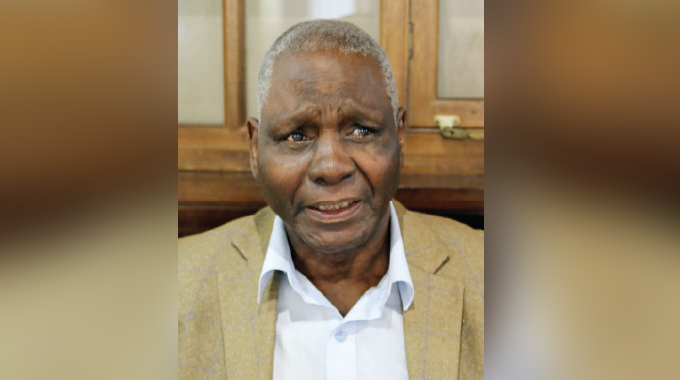
President of Ramsar COP15 and Secretary for Environment, Climate and Wildlife, Ambassador Tadeous Chifamba said the local youth groups, with support from organizations such as UNDP, are leading reforestation drives that safeguard rivers and restore biodiversity.
“Healthy wetlands mean healthy communities. From honey harvests to restored forests, nature-based solutions are our best defence against climate shocks,” said Dr Ayodele Odusola, UNDP Zimbabwe Resident Representative.
“When we invest in nature, nature invests back in us. Wetlands are life—and UNDP will continue to ensure these ecosystems sustain both people and the planet well into the future”.