Online Reporter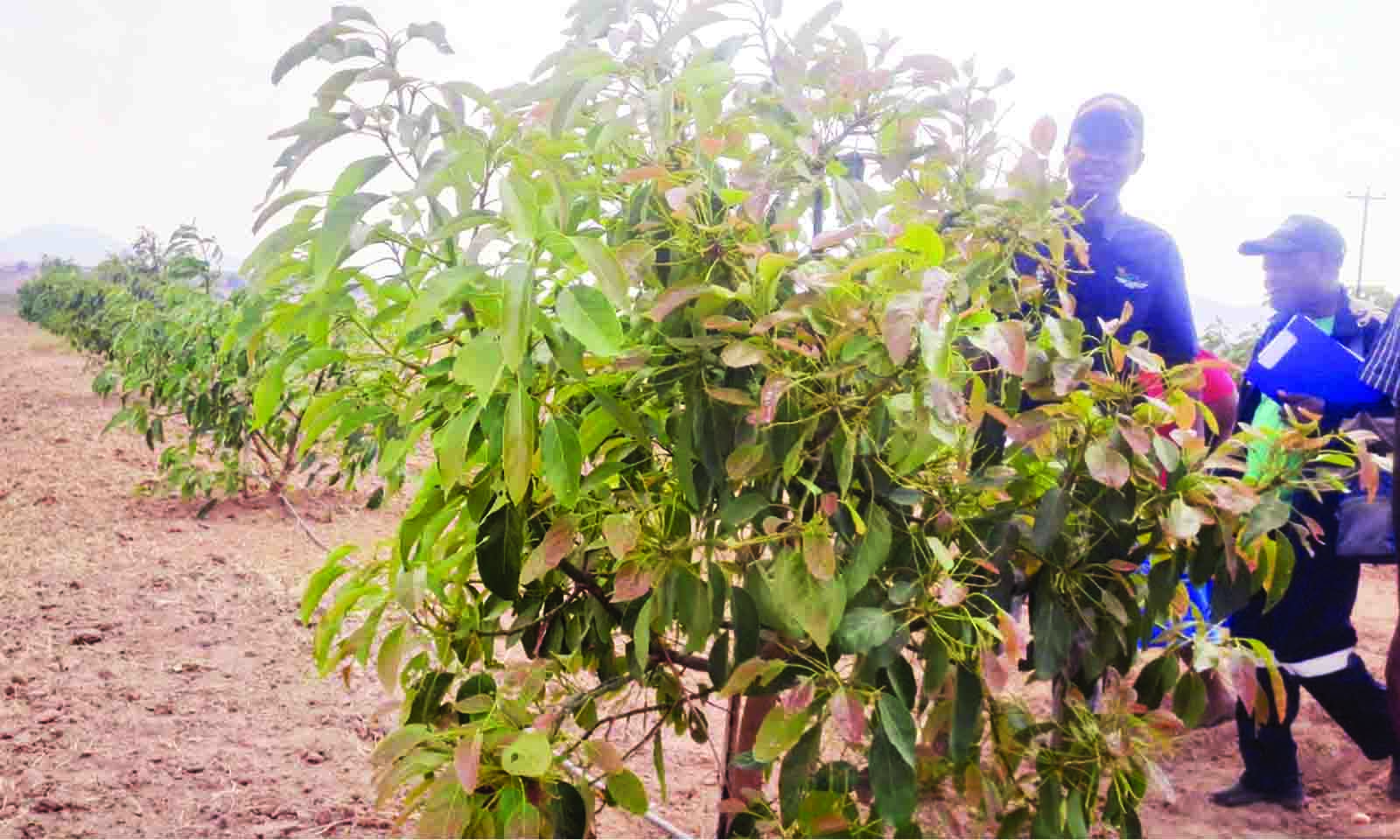
Fungai Lupande
Mashonaland Central Bureau
AS Zimbabwe pushes to diversify its export base, avocado production is emerging as a promising avenue that blends sustainability with generational wealth creation.
Across Mashonaland Central Province, avocado orchards are gradually reshaping rural investment mindsets, turning farms into family legacies that will feed both the nation and global markets for years to come.
Since 2022, the Zimbabwe Export Avocado Growers Association (ZEAGA) has championed avocado production as part of its efforts to promote crop diversification and export-oriented farming among its members.
Beyond generating income, farmers view avocado production as a way to preserve family land and secure livelihoods for future generations.
Speaking during an avocado training workshop in Concession last week, Zimbabwe National Farmers’ Union (ZNFU) vice president Mr Fidelis Gweshe said avocado farming marks a significant shift from traditional single-crop farming to a more sustainable and profitable model.
“It’s a good thing. All along we have been doing one or two crops, but this is good for diversification,” said Mr Gweshe.
“Even if I may not live up to 70 years, my children will continue to enjoy the benefits of what we are starting today.”
He said avocado farming would enable farmers to make full use of their non-arable land and unlock export opportunities through certification under Global GAP (Good Agricultural Practices) standards.
“By doing this, we are now making good use of our land. Once we have gone through one year successfully, we can expand. The advantage is that we can export, Global GAP will not only apply to avocados but to other crops as well,” he said.
Mr Gweshe added that infrastructure development was already underway to support the project.
“We are going to fence the area and sink a borehole, which will also support other crops,” he said.
He emphasised that the project was not just a personal venture but a national initiative designed to benefit the Union’s more than 12 000 members across the country.
“We want our members to participate. We don’t expect them to utilise one hectare each, even a quarter of a hectare is enough. The idea is to spread avocado production across the whole country,” he said.
Mr Gweshe noted that Goromonzi District, where he is based, would serve as the pilot area for the project.
“We are the first to start avocado farming in Goromonzi. Unlike Manicaland or Bindura, where avocados are already established, this will be a new venture for our area,” he said.
“Avocado farming is surely a legacy investment for future generations.”
A growing number of farmers in Mashonaland Central are now turning to avocado production as a long-term investment and inheritance for their children.
Traditionally known for seasonal crops such as maize and tobacco, many are diversifying into export-oriented horticulture, with avocados leading the way.
ZNFU president Mrs Monica Chinamasa said the shift towards avocado farming represents both a business opportunity and a legacy.
“It’s a new topic to me. I am more into seasonal crops, but this is something I am doing as a pension project,” she said.
“You set up something that your children can carry on. This crop they can manage — even children can be lazy sometimes, but knowing that the fruit is for export excites them.”
Unlike seasonal crops that must be replanted each year, avocado trees provide a long-term source of income once established.
Farmers view this as a more sustainable form of agriculture that guarantees returns for decades.
Through ZEAGA, farmers are receiving training on international standards, marketing, and quality control, key aspects of penetrating the export market.
The association also plays a critical role in simplifying export processes for smallholder farmers.
ZEAGA chairperson Mr Rodwell Choto said the organisation’s mission is to make avocado exports accessible to more farmers.
“This is where the association comes in, to simplify the process. The higher the numbers, the better. The idea is to reach out and get more farmers involved so that we export real quantities,” he said.
While the crop demands patience and attention to detail, farmers with experience in other export crops such as tobacco find the transition manageable.
Mr Choto said the training programmes sought to equip farmers with the knowledge and skills required for successful avocado production.
“One farmer can affect others because exporting is a collaborative effort,” he said.
The farmers are sourcing their seedlings from Dodhill Nurseries, an internationally approved supplier.
Dodhill representative Mr Clever Denga said site selection for an avocado orchard is critical.
“The site must have good drainage, and the plants should be on a ridge facing north for optimal sunlight,” he said.
“We have selected orchards in Chipinge and Chimanimani for our Guatemala stem, which we will graft with the Hass avocado variety.”
He added that Dodhill imports treated plants from South Africa that are free from sunblotch viroid.
“We are audited three times a year and are rated a four-star nursery,” he said.
The association has successfully negotiated a reduction in the cost of avocado plants from US$10 to US$5.50 per plant.
ZEAGA training specialist Mr Moffat Chireka said the association was formed in 2022 with nine founding farmers.
“Later, ZimTrade sponsored a collaboration with Dodhill, facilitated training for farmers, and organised meetings with buyers in Dubai and Asia,” he said.
“Some members suffered 100 percent loss, but we were not disheartened,” said Mr Chireka.
“ZimTrade introduced the Global GAP certification process, and that is the journey we have embarked on.”
Avocado farming, he added, is proving to be more than a crop — it is a long-term investment in the nation’s agricultural future.
The association members received certification of origin from Dodhill which are part of the Global GAP process.