Online Reporter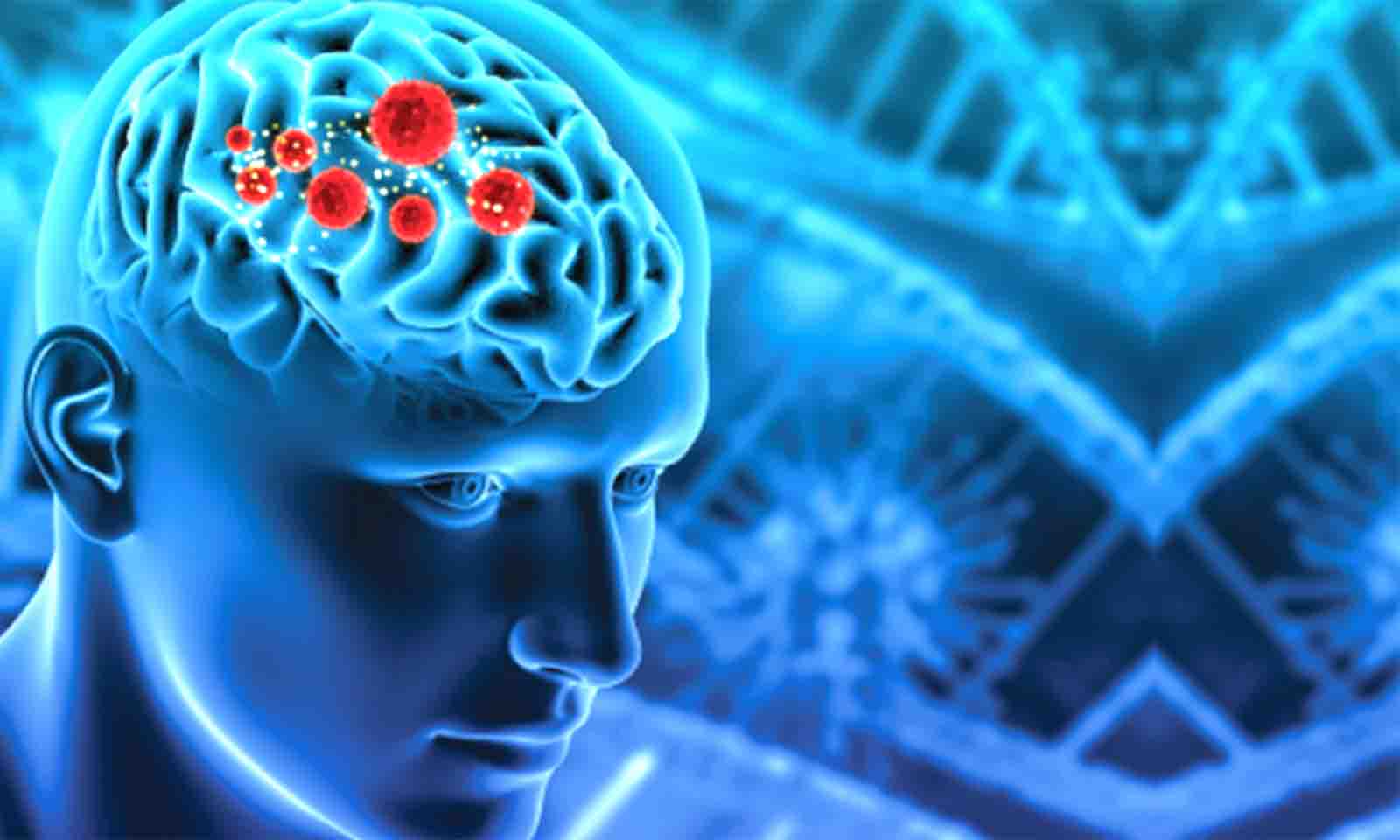
The Herald, 15 October 1992
NEWLY-INTRODUCED infant vaccines already have dramatically reduced the leading cause of meningitis, and could virtually wipe out the source of the most serious childhood infection, doctors said recently.
“It is incredible what has been happening,” said Dr William Adams of the US Cetres for Disease Control in Atlanta.
The latest CDC figures show up to a 10-fold drop in number of cases of meningitis caused by haemophilus influenza Type B. the bacteria that has long been the leading cause of meningitis in children.
“This vaccine will eliminate a major cause of meningitis if used properly in the United States,” predicted Dr Mike Scheld of the University of Virginia.
Meningitis is brain infection that can kill its young victims or leave them deaf, blind or retarded. It is widely regarded as the nation’s most important serious infection of childhood.
In 1987, a new haemophilus vaccine was approved for use in children over age 18 months. In 1990, it was approved for babies two months old.
Now, enough data have begun to accumulate for researchers to judge how well the vaccine is working. They presented their latest information at an American Society for Microbiology meeting.
Dr Adams said that in the mid-1980s, 12 000 to 20 000 cases of haemophilus meningitis occurred annually. Last year, it had fallen to 1900 cases.
Lessons for today
- The Haemophilus influenzae type B (Hib) vaccine has been extremely effective in children, especially infants. Since its introduction in the late 1980s and early 1990s, it has led to a dramatic drop in childhood meningitis cases up to a 10-fold decrease in the U.S. alone.
- The Hib vaccine has revolutionised childhood health, nearly eliminating a once-common and deadly disease. For adults, it’s only used in special medical cases, not as a general preventive measure.
- Adults usually have natural immunity from past exposure or childhood vaccination, so routine vaccination isn’t necessary unless they’re immunocompromised.