Andrew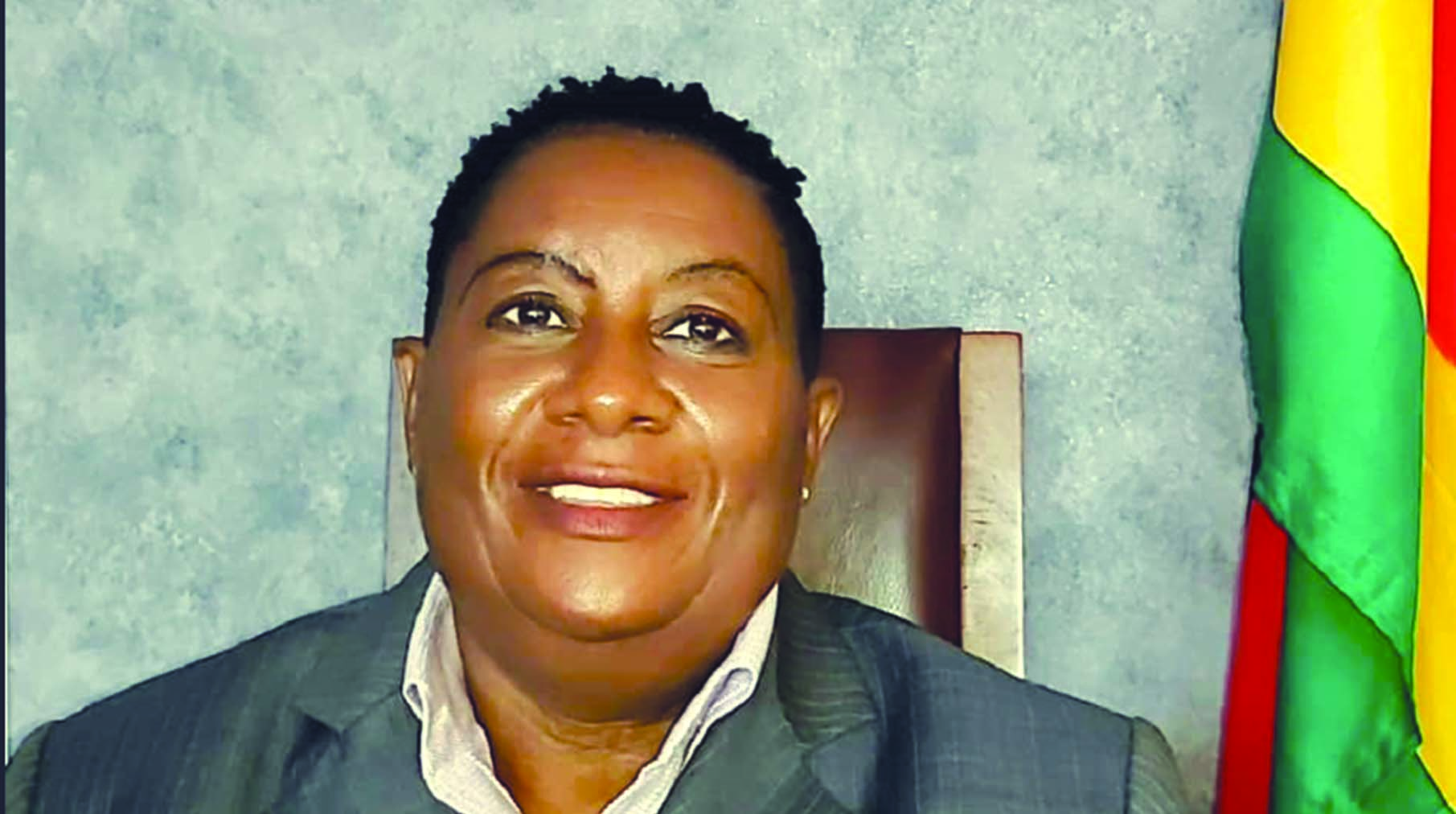
Zimbabwe Anti-Corruption Commission (ZACC) chairperson Justice Loice Matanda-Moyo was recently appointed to the executive board of the African Association of Anti-Corruption Agencies (AAACA). The continental organisation strengthens inter-state collaboration in the fight against graft. The Sunday Mail’s Tanyaradzwa Rusike (TR) spoke to Justice Matanda-Moyo (LMM) about her new posting.
********************
TR: Can you outline the role of the African Association of Anti-Corruption Agencies (AAACA) in the fight against graft on the continent?
LMM: The parties to the African Union Convention on Preventing and Combating Corruption (AUCPCC) signed by member states on July 11, 2003 recognised that corruption is a complex and dynamic phenomenon, which manifests itself in forms and shades ranging from bribery, extortion, robbery, patronage and nepotism.
It was agreed that there was need for collective effort to effectively combat it.
Member states noted that corruption is among the biggest challenges facing African countries in promoting good governance and effective public institutions.
It was also noted that graft cannot be successfully prevented and combated without political will from the highest offices and a strong legal framework formulated for anti-corruption agencies.
Accordingly, the association of anti-corruption authorities in Africa was created in accordance with Article 19 of the AUCPCC, which calls on states to co-operate and assist one another in areas such as mutual legal assistance, law enforcement, joint investigations, tracing and recovery of ill-gotten assets.
The main objective of the association is to strengthen inter-state collaboration in the fight against corruption. It seeks to ensure the adoption of the Jakarta Statement on Principles for Anti-Corruption Agencies to promote and strengthen the independence and effectiveness of anti-corruption agencies.
In addition, it seeks to ensure that anti-corruption authorities are able to function with the necessary independence, are secure, receive stable funding and employ specialised staff in order to operate effectively and free from any undue influence. It also seeks to ensure that all state parties ratify the AUCPCC.
TR: How were you elected and what was your reaction to the election?
LMM: I was elected through nomination by my peers in the Southern African region.
I felt humbled to be nominated by my peers, who highlighted that I was not only highly qualified, but the right candidate to represent Southern Africa in the association.
TR: And what does the appointment mean to you?
JM: This appointment is important as I will be given an opportunity to contribute in ensuring that the association is fully functional and makes decisions and policies that promote the development of Africa.
It is not a secret that Africa is the wealthiest continent in terms of natural resources; therefore, it is important that these resources go towards improving the quality of life of African people.
This can only be done through fighting corruption, ensuring proper and transparent management of resources and negotiation of favourable contracts, which benefit us as a people and, of course, ending conflicts, among other measures.
It is my view that as anti-corruption agencies on the continent, we must continue to lead the elimination of illicit financial flows and ensuring African resources build Africa for posterity.
From the eight executive members elected, I am the only female. This means there is need for equal representation of men and women.
Representation is the core basis of democracy and research has found that women’s involvement impacts decision-making in a positive way.
TR: In terms of duties, what will your responsibilities on the board entail?
LMM: To ensure effective and transparent implementation of the decisions of state parties in the association.
To ensure that the AAACA secretariat is adequately funded and fully functional.
TR: How will your assumption of this position contribute in the fight against corruption in Zimbabwe?
LMM: Zimbabwe is a party to the AUCPCC, which it signed in 2003 and ratified on December 17, 2006.
As a country, it is important that we are compliant with the provisions of the Convention.
In addition, as a member of AAACA, it is of significant importance that we implement the decisions of the association.
Looking at the strategic plan for AAACA, I will ensure that not only Zimbabwe, but all agencies receive technical support in areas such as joint investigations, training, information sharing and sharing of expertise, among other forms of capacity that will ensure we are able to discharge our mandates.
There are anti-corruption agencies with success stories in different areas such as public education, research, asset recovery and financial investigations, among others.
It will be important for Zimbabwe to reach out to these institutions for collaboration and partnerships.
For Zimbabwe, we are now fortunate to have a person who is involved in the day-to-day activities of the AAACA board.
This will make it easier to communicate with different heads of anti-corruption agencies since I will be interacting with them directly during my tenure.
As a country, we are facing challenges in getting responses for requests for mutual legal assistance or information pertaining to individuals in different jurisdictions in Africa.
It has been difficult to reach some countries in Africa where illicit funds illegally obtained from Zimbabwe have been channelled.
This will be an opportunity for Zimbabwe to reach out to these countries to facilitate repatriation of these funds.
We are going to recommend adopting technology, especially in the mining sector, to determine amounts and types of all minerals coming out so as to plug loopholes in illicit mineral flows from Africa. We will lobby AU to adopt measures to ensure Africa’s resources benefit Africans.
We will achieve more if corruption is fought from a united front.


 Online Reporter