dyton mupawaenda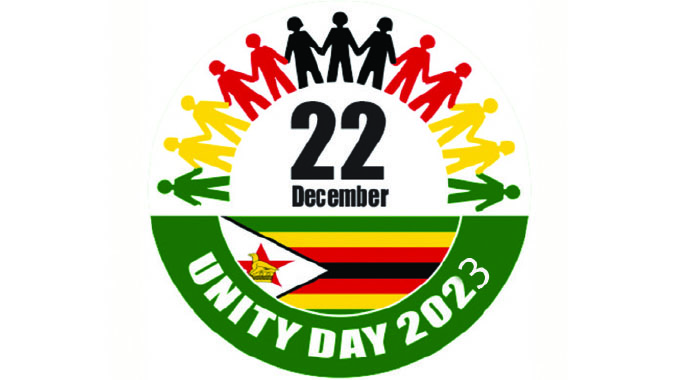
Grace Chekai-Correspondent
As Zimbabwe commemorates Unity Day today, let us reflect on a pivotal occasion that symbolises the nation’s unwavering commitment to unity, reconciliation and a collective pursuit of a harmonious future.
Rooted in the historical narratives of ZAPU and ZANU, this day serves as a poignant reminder of the sacrifices made during the struggle for independence and the subsequent endeavours in nation-building.
Unity Day stands as a beacon of significance that surpasses the boundaries of political affiliations and ethnic backgrounds.
It acts as a catalyst for a collective national reflection, urging Zimbabweans to ponder the trials and tribulations of their tumultuous past, particularly the sacrifices made in the arduous struggle for independence.
The day serves as a reminder that unity and collaboration are not mere aspirations but indispensable elements for overcoming adversities.
By acknowledging the shared sacrifices of the past, Zimbabweans are propelled to work together in harmony, recognising that a united front is essential to navigate the complexities of the present and pave the way for a prosperous future.
In essence, Unity Day becomes a platform for fostering a collective consciousness that extends beyond individual differences.
It encourages a shared acknowledgment of the challenges faced during the nation’s formative years and underscores the importance of unity as a driving force towards prosperity.
The historical context of the struggle for independence becomes a unifying narrative, emphasising that the strength of the nation lies in its ability to stand together, irrespective of political or ethnic distinctions, and work towards a common goal of shared growth and well-being.
Unity Day embodies far more than a political alliance; it serves as a powerful symbol of reconciliation, transcending the historical divisions that once defined Zimbabwean politics.
The merging of ZAPU and ZANU was not a superficial collaboration but rather a profound commitment to healing the wounds of the past, manifesting a united front poised for the future.
This significant day in Zimbabwe’s calendar becomes a testament to the nation’s resilience and its capacity to rise above historical discord.
At its core, Unity Day acts as a catalyst for Zimbabweans to embrace the principles of reconciliation and forgiveness.
The acknowledgement of historical grievances becomes a stepping stone towards fostering national unity.
It underscores the understanding that unity is not merely a political strategy but a prerequisite for comprehensive national development.
By encouraging reconciliation, Unity Day invites citizens to reflect on the transformative power of unity in overcoming historical animosities and building a collective future.
In doing so, it reinforces the idea that the nation’s progress is intricately linked to its ability to reconcile, forgive, and move forward together.
Celebrating Unity Day strengthens the sense of national identity and pride among Zimbabweans.
The amalgamation of various forces served as a unifying factor that transcended regional, ethnic, and ideological differences.
This special day fosters a collective sense of belonging, serving as a reminder to citizens that, regardless of their diverse backgrounds, they collectively share a common destiny as Zimbabweans.
Unity Day is particularly significant for war veterans, acknowledging their pivotal roles in the liberation struggle.
These individuals made tremendous sacrifices, enduring hardships for the cause of independence.
The day serves as an opportunity to honour and appreciate war veterans, recognising their resilience and commitment to freedom and self-determination.
In addition to honouring the past, Unity Day promotes the idea that a united Zimbabwe is better equipped to tackle contemporary challenges.
The 21st century demands a united front, with all segments of society working collaboratively towards shared goals.
By commemorating Unity Day, Zimbabwe reaffirms its commitment to inclusivity, diversity, and the principles that bind its people together.
Unity Day plays a crucial role in preserving the history of the liberation struggle for future generations. Through commemorations and educational initiatives, the day ensures that the sacrifices and triumphs of the past remain in the nation’s collective memory.
By commemorating the Unity Accord, Zimbabwe reaffirms its commitment to political stability and national cohesion.
The 1987 amalgamation of political forces aimed to foster stability, creating an environment conducive to economic and social development.
Unity Day serves as a reminder that political unity is essential for addressing contemporary challenges and ensuring sustained progress.
Unity Day is undeniably one of the most crucial dates on Zimbabwe’s calendar — a beacon of hope signalling the triumph of unity over division and the resilience of a nation emerging from the shadows of colonialism and internal strife.
The signing of the Unity Accord in 1987, a watershed moment in Zimbabwe’s history, was a conscious decision to set aside differences and work towards a common goal — the liberation and prosperity of the nation.
Unity Day is a celebration of that audacious spirit that propelled Zimbabweans to overcome seemingly insurmountable challenges.
Moreover, Unity Day serves as a stark reminder of the perils of division. The scars of the past, marked by political strife and internal conflicts, are etched into the nation’s memory.
Unity Day challenges Zimbabweans to uphold the principles of reconciliation, collaboration, and national pride, ensuring a future defined by strength, harmony, and shared prosperity.
As we celebrate Unity Day, it is essential to recognise that unity does not imply homogeneity. Zimbabwe is a nation rich in diversity, and unity, in this context, is about embracing this diversity as a source of strength.
It is recognition that the collective wisdom of a diverse populace far exceeds the capabilities of any individual or faction.


 Online Reporter