Chronicle Editor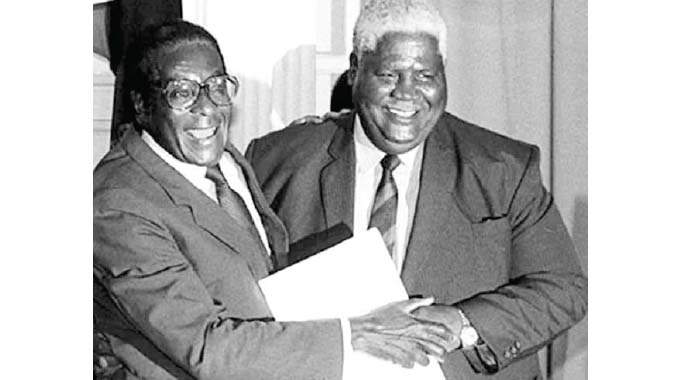
Vincent Gono, Features Editor
A few years into the birth of the country Zimbabwe from Britain’s colonial womb that came as a result of the liberation struggle, the country found itself torn apart by internal strife that threatened its development and full maturity as a sovereign State.
There are so many theories to unpack why that was so but the logical and most agreed one is that there was an imperialist fan that was blowing the embers of antagonism between the two liberation movements of Zanla and Zipra and their mother parties of Zanu and Zapu respectively.
In fact, the two parties that had fought side by side to free the country were used as pawns in a European chess game that sought to consolidate their power and prolong apartheid in South Africa in what became known as the Gukurahundi disturbances.
It was unthinkable that the revolution movements that recognised each other and shared an ideology of freeing the country would, a few years after achieving that objective engage in a fight but the issue was that the violence was sponsored by a hidden hand as has been clearly noted by Dr Obert Mpofu in his book, On the Shoulders of Struggle: Memoirs of a Political Insider.
He demonstrated in no small measure that for one more time, Africa, the continent that had initially been parcelled between European powers was taken as a playground of Western political and economic power games and it seemed to justify the lie and mis-notion that Africans could not govern themselves.
The presentation of Zimbabwe as a State that had failed the test of self-rule was going to justify the continued apartheid rule in South Africa that had not yet attained independence, a fact that people who do not read beyond what they are fed by unscrupulous imperialist scholars have been struggling to appreciate.
The Gukurahundi discourse and the failed state construct has been perpetuated by sponsored civil rights organisations and has been used as a political capital to win votes by bringing it up without explaining the emotive episode.
What is gratifying is that the spirit of national consciousness prevailed over and above the Western power politics that was played on the African turf.
The Unity Accord of 22 December 1987 that came after the dark Gukurahundi episode was a bold testimony and statement of a shared sense of national identity and a shared understanding that Zimbabweans as a people shared a common ideology despite the ethnic, linguistic and cultural background.
It was national consciousness that had driven the people of Zimbabwe into taking the first important steps towards the creation of a nation by uniting to drive out a common enemy and assert self-rule.
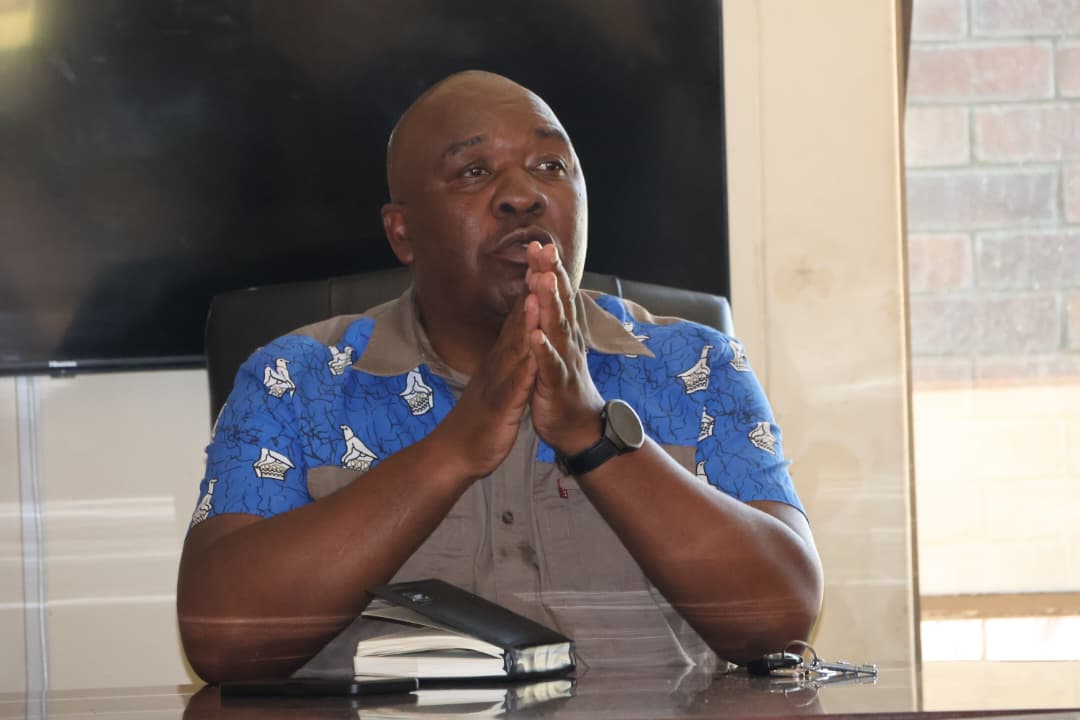
Political analyst and lecturer at Great Zimbabwe University Dr Gift Gwindingwe said the Unity Accord was a product of broader philosophical evaluations that spoke to the country’s ideology and aspirations of growing holistically, united and with a shared purpose and focus, socially, culturally, politically and economically.
He said it was important to introspect and judge the country’s position and, “ask ourselves whether we as a country are justifying the cause or we are furthering the differences, are our ideas justifying nationhood.
Our affirmative responses to some of these questions helps every Zimbabwean citizen to uphold the monumental Unity Accord, to see the merits in nation building through unity.”
He defined national consciousness as the crystallisation of the inner most hopes of the whole people, a result of the mobilisation of the people and this led to the birth of the Unity Accord to reflect and reinforce our sovereignty as an independent State.
“The Unity Acord was born out of a conscious rebirth, a self-introspection in which the political leadership in both Zanu and Zapu realised that we were born black Zimbabweans and therefore we have the duty to redirect our energies so that we reinvent our distorted identities.
“The spirit of national consciousness informed the revaluation of black Zimbabweans as equal brothers and sisters. It gave birth to the realisation that tribes and ethnic groups are not preferred over the State and that fighting each other was retrogressive, that Zimbabwe and as a nation can only progress if people share an identity and counter colonial stereotypes that had for long been described us retrogressive and impervious to logic and science,” said Dr Gwindingwe.
The Unity Accord, he added, brought about and marked the beginning of a new discourse that celebrated Zimbabweanness, that celebrated unity in diversity. It brought about the opening of a space to articulate and redefine the country’s goals, and its identities far from the one that were given by the colonial subjugation of the people.
Dr Gwindingwe submitted that as the nation commemorates the Unity Day, it has to do so cognisant of the need for continued unity and said the New Dispensation has not lost sight of that fact but has done more to fulfil the aspirations of those that authored the Unity Accord.



 Online Reporter