admin
admin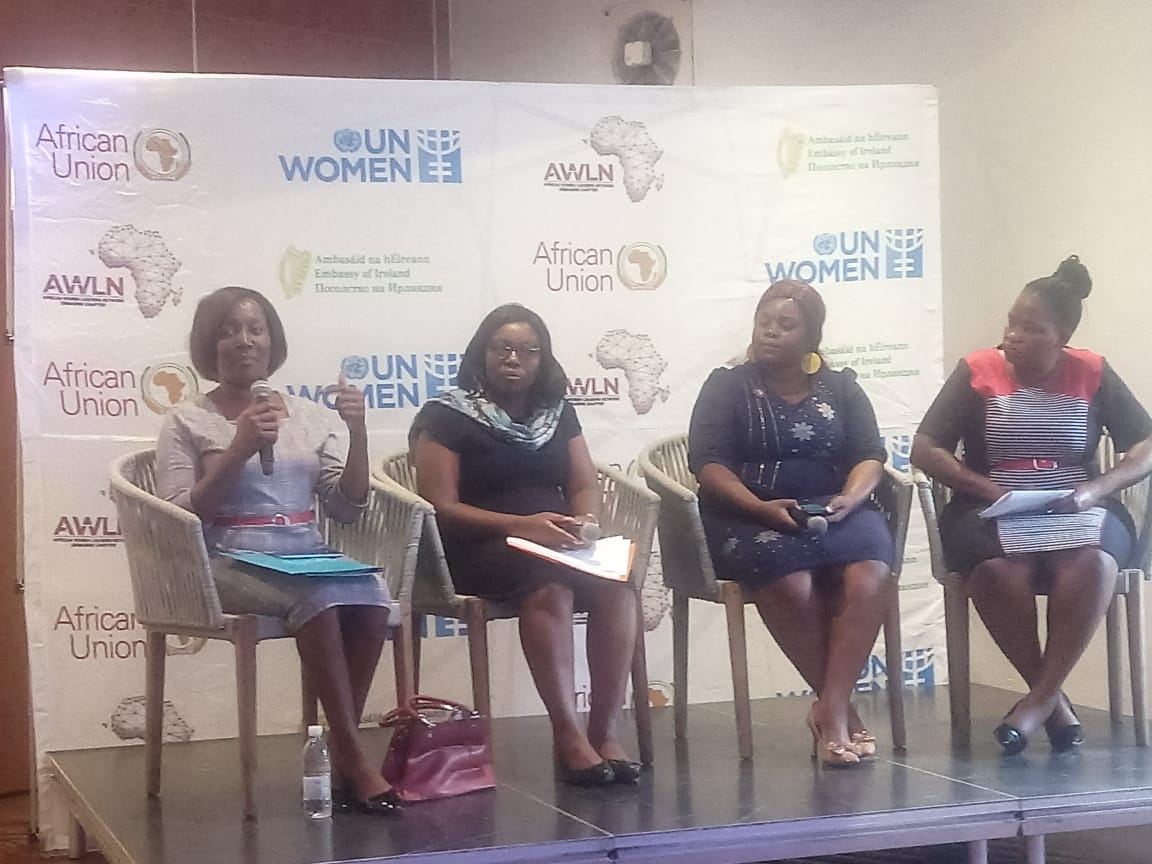
Sifelani Tsiko
Agric, Environment & Innovations Editor
More efforts need to be made to unlock funding for programmes and activities to end violence against women and girls in the country, women activists say.
Women activists told a gathering to mark the start of the annual 16 Days of Activism Against Gender-based Violence awareness campaign, which runs from 25 November to 10 December that gender-based violence is not just traumatising for women and girls, but is damaging to societies and economies.
“Violence against women and girls is a stain on humanity. We must unlock financing across various sectors to invest more in the fight against gender based violence in Zimbabwe,” said Michelle Murinda, chairperson of the African Women Leadership Network (AWLN).
“Our collective action is the force that will dismantle the barriers obstructing women from contributing to the political landscape and promoting peace. We need to increase gender-responsive budgeting. We need to invest more to have the solutions and resources that Zimbabwe needs to end violence against women and girls.”
UN Women, AWLN, Musasa Project and the Zimbabwe Council of Churches (ZCC) partnered to organise the meeting under this year’s theme: “UNITE! Invest to prevent violence against women and girls.”
The meeting also discussed ways to create safer public and digital spaces to address violence against women.
“Our collective folly in failing to invest is all the more frustrating because we know what to do: reform and implement laws and multi-sectoral policies, ensure survivors have access to the services they need, scale up evidence-based prevention interventions and hold perpetrators to account,” said Loveness Makonese UN Women deputy country representative.
“But these will not happen by themselves. We must do what we always do when we recognise the gravity of an issue – allocate serious resources. So, it is indeed time to get serious. To unlock financing across different sectors, to track budget allocations, to do more gender responsive budgeting and to resource the crucial efforts of women’s rights organisations who are at the frontline of response and crucial partners for change.”
Women’s activists bemoaned the poor financing of programmes and activities to fight gender based violence in the country.
They said activities remained severely underfunded and more efforts were needed to increase financial support for women’s rights organisations working in this space.
Rev Junior Paradza, a ZCC official, said his organisation was concerned with the increase in online violence targeted at women and girls and in particular those in politics and in leadership positions.
“The church calls upon the government to have a national budget that reflects the investment in social security programs and economic empowerment programmes for women and youths to mitigate some of the causes of gender-based violence,” she said.
Said Murinda: “The internet, once seen as a tool for connectivity, has unfortunately become a breeding ground for gender-based violence. Online violence against women is not just an isolated issue; it’s a barrier that obstructs the path of women in political participation and jeopardizes the tenets of women, peace, and security.
“In a society striving for democracy and inclusivity, we cannot afford to ignore the silencing impact of online violence. When women are intimidated, harassed, or threatened online, their voices are stifled, and their participation in political processes is hindered.
“This is not just an attack on individuals; it is an assault on the very fabric of our democracy.”
Through the 16 Days of Activism campaign, UN Women and other partners will be calling for increased long-term, sustainable investments from states, private sector, foundations and other donors to women’s rights organisations working to end violence against women and girls.
Campaigns will also aim to highlight best practices of investment to prevent violence against women, gaps and challenges and the way forward.
UN Women will be also leading a global social media campaign to speak up against gender-based violence using #NoExcuse and #16Days.
“As we commemorate this year’s 16 Days of Activism Against Gender Based violence under the theme UNITE! Invest to prevent violence against women and girls, Let’s strive as communities to invest in creating safer public and digital spaces to address violence against women,” said Tinashe Chitunhu, a Musasa Project legal expert.
Investing in strong legal and policy frameworks, implementation of laws and policies that protect women and girls in the digital spaces and in specialist support services for women victims in digital spaces was critical, she said.
She also called for investment in the establishment of helplines, counselling and legal support as well as assistance in content removal of non-consensual intimate imagery online.



 Online Reporter