Online Reporter
Vincent Gono
CLIMATE change has become one of the most urgent challenges confronting communities worldwide, and Zimbabwe is no exception.
The increasing frequency of droughts, floods, extreme temperatures and other unusual weather phenomena raises critical questions about the level of awareness and understanding among local communities regarding their role in this global crisis.
Do Zimbabwean communities truly recognise how their activities and behaviours contribute to climate change? Understanding this connection is essential for fostering effective action and resilience.
It also helps communities comprehend their contribution to climate change and how this awareness or lack thereof impacts their ability to adapt to recurring environmental crisis.
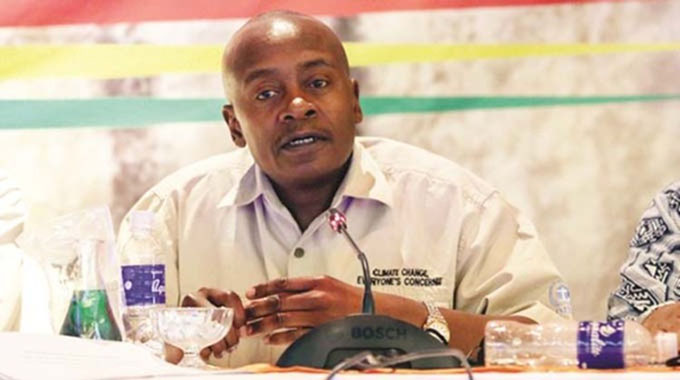
To shed light on the climate change landscape in Zimbabwe and the country’s response, Zimpapers Day Editor, Vincent Gono (VG) spoke with Mr Washington Zhakata (WZ), Chief Director of Environment, Climate, and Wildlife in the Ministry of Environment, Climate and Wildlife.
VG: Would you say Zimbabwean communities understand their contribution to climate change that has led to recurring droughts, floods and extreme weather phenomena?
WZ: The level of understanding among communities, especially in rural areas and among those less exposed — such as workers in public or technical institutions — is quite low regarding their contribution to climate change challenges.
About half of the population may be aware of climate impacts, but they still need more awareness to fully understand their role in both causing and responding to these issues. While many can attribute current weather extremes to climate change, their understanding of how their daily activities contribute to the problem remains minimal.
VG: What efforts have been made to bring the climate change discourse beyond boardrooms and into Zimbabwean communities?
WZ: He elaborated, “Significant steps have been taken, including the development of policy frameworks aimed at raising awareness, climate impact assessments, and vulnerability analyses. Climate change has been mainstreamed across various ministries, departments, and agencies, both at the national and sub-national levels. Capacitating provincial and district officers has enhanced their understanding and response capabilities.
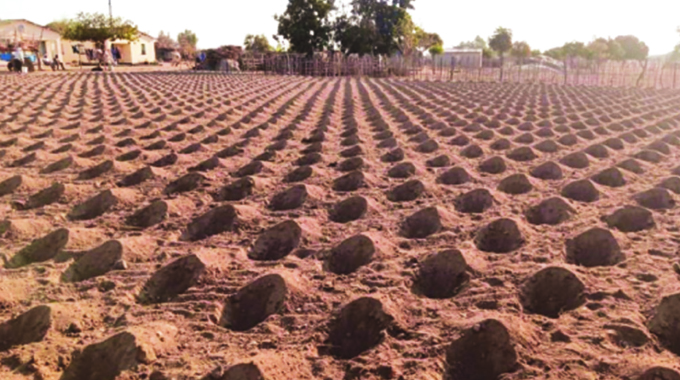
Additionally, numerous projects across the country incorporate education, awareness, and training components. These initiatives not only demonstrate adaptation and mitigation actions but also build community capacity — such as promoting the Pfumvudza conservation agriculture technique.
Climate change has also been integrated into curricula at primary, secondary, and university levels to instil knowledge from a young age, fostering future agents of change. Civil society organisations and faith-based groups are also actively involved in raising awareness.”
VG: Are developing countries prepared to transition from coal to renewable energy sources, and is funding sufficient for this shift?
WZ: Developing countries aspire to incorporate more renewable energy into their grids, but resource constraints — financial, technological and capacity-related — pose significant challenges. For Zimbabwe, energy security remains a critical issue, with frequent load shedding indicating the need for increased energy capacity. The current support and funding are insufficient to meet this demand.
Furthermore, Zimbabwe has substantial coal deposits, which are vital for industrial development and energy production. Revitalising industries and ensuring a stable, predictable energy supply require more than what renewable sources alone can currently provide.
Thus, transitioning away from coal demands significant investment and capacity building, which are still lacking.
VG: Can you briefly explain the climate change energy politics between developed and developing countries concerning fossil fuels? What should be done?
WZ: This is a complex and honest conversation. Developed countries’ development histories heavily relied on fossil fuels and many are now backsliding into their use amid geopolitical tensions. Developing countries, on the other hand, need to industrialise and meet growing energy demands, often relying on their own fossil fuel resources.
The politics revolve around the expectation that developing nations should phase out fossil fuels without adequate support or clear pathways. Support mechanisms, including technology transfer, funding and compensation for resource endowments like coal reserves are critical.
Negotiations often highlight a desire for developed countries to lead in phasing out fossil fuels, but in reality, many continue their reliance on them, complicating global efforts to transition.
VG: What environmental conservation measures are being implemented to mitigate climate change effects?
WZ: Zimbabwe is actively working on several fronts: implementing regulations to address deforestation, protecting wetlands and promoting afforestation and reforestation initiatives. Sustainable forestry management is also a focus.
These efforts are supported by increased stakeholder involvement, including civil society, the private sector and political leadership — such as the President and First Lady’s active participation in tree planting and wetland conservation.
VG: Is there enough political will and commitment to address climate change?
WZ: Yes, the political will is evident. Climate change is mainstreamed across national development blueprints like the NDS1 and NDS2 and even the Treasury’s budget allocations reflect this commitment.
A significant step forward is the development of the Climate Change Management Bill, which has undergone public consultations and is now at the second reading stage in Parliament. This legislation aims to facilitate resource mobilisation, establish a climate fund and promote carbon trading.
While political support exists, enhanced collaboration among Government, the private sector and civil society is crucial for a comprehensive response. A whole-of-government and whole-of-society approach is essential to effectively tackle climate change.