


 malvernmugadzikwa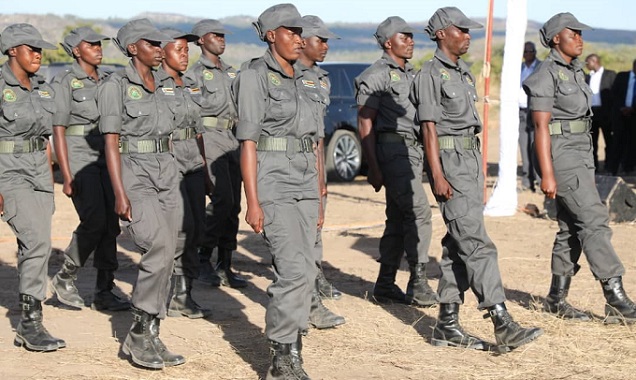
News Editor
Lincoln Towindo
ON Friday, President Mnangagwa launched the Youth Service in Zimbabwe (YSZ), a programme geared towards nurturing young people into responsible, patriotic, resilient, resourceful and productive citizens, who also have a strong national identity and respect for national values.
The programme’s re-establishment comes after the initial National Youth Service was discontinued in 2019.
Cabinet, however, approved its return last year.
What is national youth service?
National youth service programmes vary by country.
Generally, these government-run initiatives engage young people, often within a specific age range.
They typically involve vocational or life skills training to prepare participants for future careers.
Additionally, they often seek to instil a sense of patriotism and civic duty, encouraging young people to contribute to national progress.
Military training may be a component in some programmes, but it is not universally included.
Participants often engage in community development projects as well.
National youth service programmes can be voluntary or mandatory, depending on the country’s policy.
History of youth service in Zimbabwe
The initial National Youth Service programme was established in 2001.
In October 2000, the late Minister of Youth Development, Gender and Employment Creation, Cde Border Gezi, unveiled the National Youth Policy of Zimbabwe.
This policy sought to cultivate “a sense of responsible citizenship” in young people and prepare them for “the world and for work in their country”.
It envisioned the youth service programme contributing to poverty eradication, promoting healthy lifestyles and preventing HIV/AIDS among young people.
The policy lamented “the impact of international media, the introduction of foreign cultures and the increasing urbanisation”, which has “led to a diminished sense of national pride” in the nation’s youth.
The programme was designed for voluntary participation by young people aged between 10 and 30 years.
According to the Ministry of Youth Empowerment, Development and Vocational Training, over 83 000 youths participated in the programme before it was abandoned.
The programme’s goals included enhancing youth empowerment, volunteerism and economic participation.
It was also aimed at instilling national values, ethics and a sense of history and heritage in young people.
The Government’s stated objective was to increase youth participation in voluntary community programmes.
Reads the policy document: “The National Youth Service programme seeks to create a symbolic identity for the Zimbabwean youth and all nationals with respect to national philosophy, cultural identity and a sense of belonging to one’s own people.”
It further states the programme sought to develop “a generation of youths equipped with a mental capacity and skills to look after and sustain themselves”.
What is the new Zimbabwe youth service?
Last July, the Government approved the national youth service policy framework and implementation matrix, outlining the programme’s structure and operation from 2021 to 2025.
This policy, informed by various national and regional documents, seeks to cultivate disciplined young people with strong Zimbabwean values and identity by 2030.
The programme emphasises six core principles — patriotism, discipline, Ubuntu (humanity towards others), tolerance, respect and integrity.
Participation in the youth service training programme is voluntary.
Training opportunities are advertised through the media and there are two intakes per year, each lasting six months.
Currently, training centres exist in six provinces, with plans to expand into the remaining four.
The existing centres are undergoing refurbishment, and land has been secured for construction in the new locations.
The Government’s goal is to establish 15 new training centres within the next five years, ultimately aiming to train a total of 100 000 youths.
Programme objectives
The YSZ has multi-pronged objectives, which all seek to develop a patriotic, productive and motivated cadreship of Zimbabwean youths. The training seeks to instil patriotism through national orientation training, promoting volunteerism, civic responsibility and loyalty to the nation.
It also provides career guidance and equips participants with life and entrepreneurial skills, fostering resilience and promoting employment creation.
The programme also encourages peace and positive social integration among youths of diverse backgrounds, ethnicities, cultures, regions and political affiliations.
It also promotes values like morality, self-discipline, productivity, integrity and self-reliance.
Graduates are encouraged to participate in leadership and decision-making processes while fostering cultural pride and identity.
Crucially, the programme strives to channel youthful energy, zeal and skills towards voluntary community development activities.
Lastly, it also seeks to promote healthy living habits among young people.
Target group
The current programme targets youths aged between 18 and 35 years, including those with disabilities.
It strives to maintain gender balance and fair representation from all regions. Recruitment is done through the Ministry of Youth Empowerment, Development and Vocational Training’s district offices nationwide.
Potential trainees need to secure a medical examination report at their own expense. Further examination is conducted at the training centre. Police clearance is also mandatory.
Those with outstanding warrants of arrest will be disqualified. There will be a two-tier selection system: a universal process for all provinces and an additional procedure for filling any remaining spots.
Expected outcomes
The Government envisages increased youth participation in development programmes and surfeit volunteer services for community development projects.
Following institutional training, graduates will be placed for work experience and service with Government departments, local authorities and community-based initiatives.
Curriculum
The YSZ will have an expansive curriculum, covering a wide range of areas. Trainees will undergo national orientation, whereby they will learn about Zimbabwe’s history and liberation legacy.
They will receive civic education covering participation in development.
They will also learn elementary environmental management, personal and community health practices, and entrepreneurship and livelihood practices. The curriculum also covers disaster management and physical education, as well as basic information and communication technology skills.
Trainees will also undergo special regimented national service training through the Ministry of Defence.
Certificates will be issued upon completion of training.
Benefits
The graduates of the programme will receive priority into institutions of higher learning, including polytechnics, teaching, nursing, the army and employment in the civil service.
Who else has national youth service programmes?
Namibia
Namibia’s national youth service programme is called the National Youth Service (NYS).
The programme seeks to develop discipline, patriotism and a strong work ethic among young Namibians.
It equips youths with skills to improve their employability or become self-employed through vocational training programmes.
The NYS offers a three-phased programme that includes national service training; voluntary services; and technical and vocational education and training (TVET).
National service training focuses on discipline, life skills and national identity.
Voluntary services training allows young people to volunteer their skills and contribute to community development projects.
The TVET phase of training provides vocational training in various trades, preparing participants for careers.
Kenya
Kenya’s National Youth Service is a programme aimed at training and empowering young Kenyans. It was established in 1964, initially to support young people affected by the fight for independence.
The programme provides young
people with work experience and essential life skills. It fosters a sense of good citizenship and patriotism while also offering technical and vocational training in various fields.
Participation is open to Kenyans aged 18-22.
They receive training in areas such as construction, public health, agriculture, and technical and vocational skills.


 Online Reporter
 Tinaye Agere