Online Reporter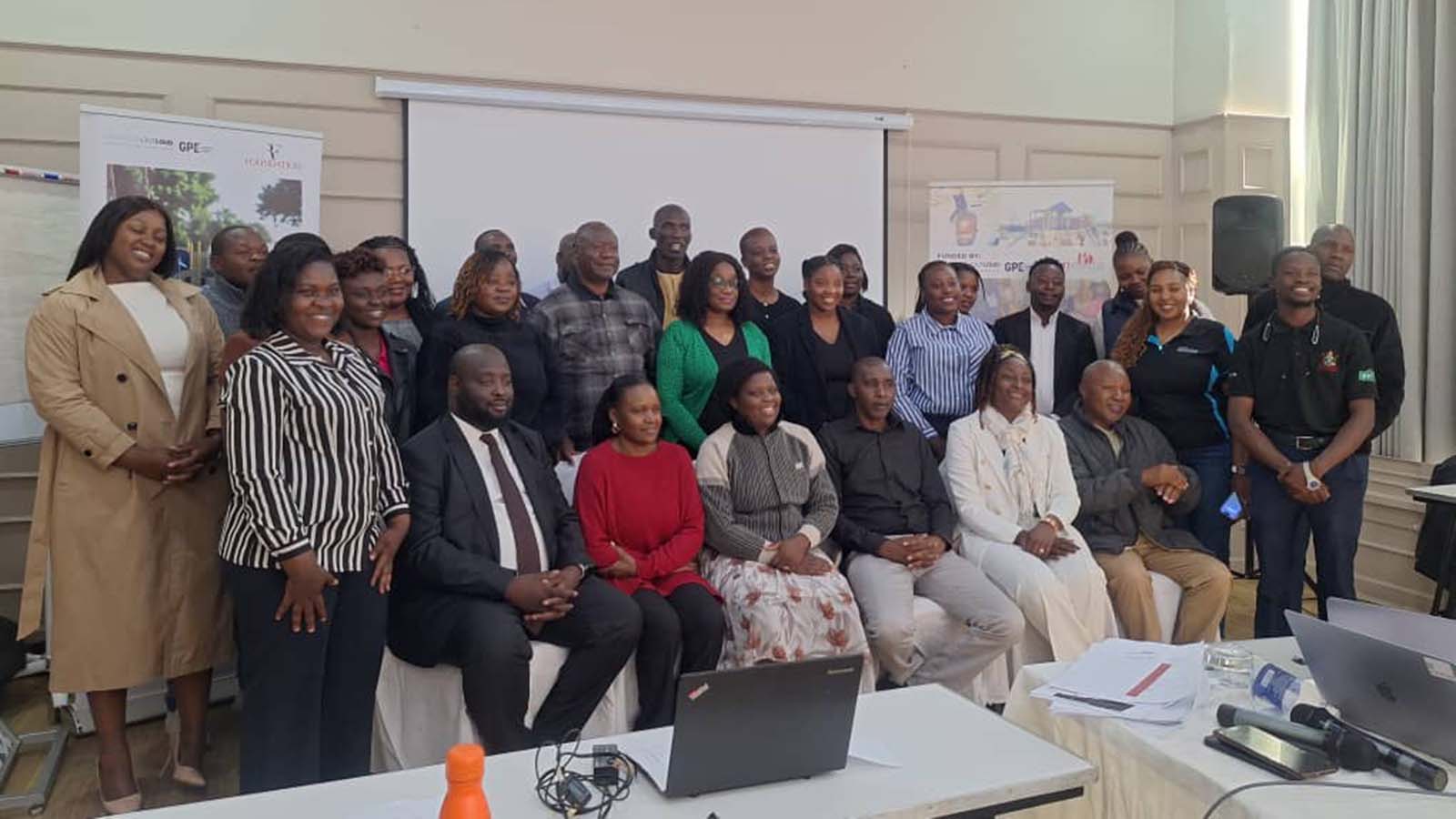
Muchaneta Chimuka
Herald Reporter
THE Ministry of Primary and Secondary Education, in partnership with civil society organisations and development partners, has started consultations on an Education Trust Fund Model Bill aimed at strengthening education financing and expanding access to quality learning for all children.
The consultative meeting, held in Harare, brought together key stakeholders, including the Education Coalition of Zimbabwe (ECOZI), Zimbabwe Network for Early Childhood Development Actors (ZINECDA), Shamwari Yemwanasikana, World Education, Campaign for Female Education (CAMFED), CARE and other education partners.
The proposed legislation seeks to establish a sustainable education financing mechanism through public-private partnerships, drawing lessons from countries such as Ghana and Finland, where education trust funds have successfully improved access to education and supported vulnerable learners.
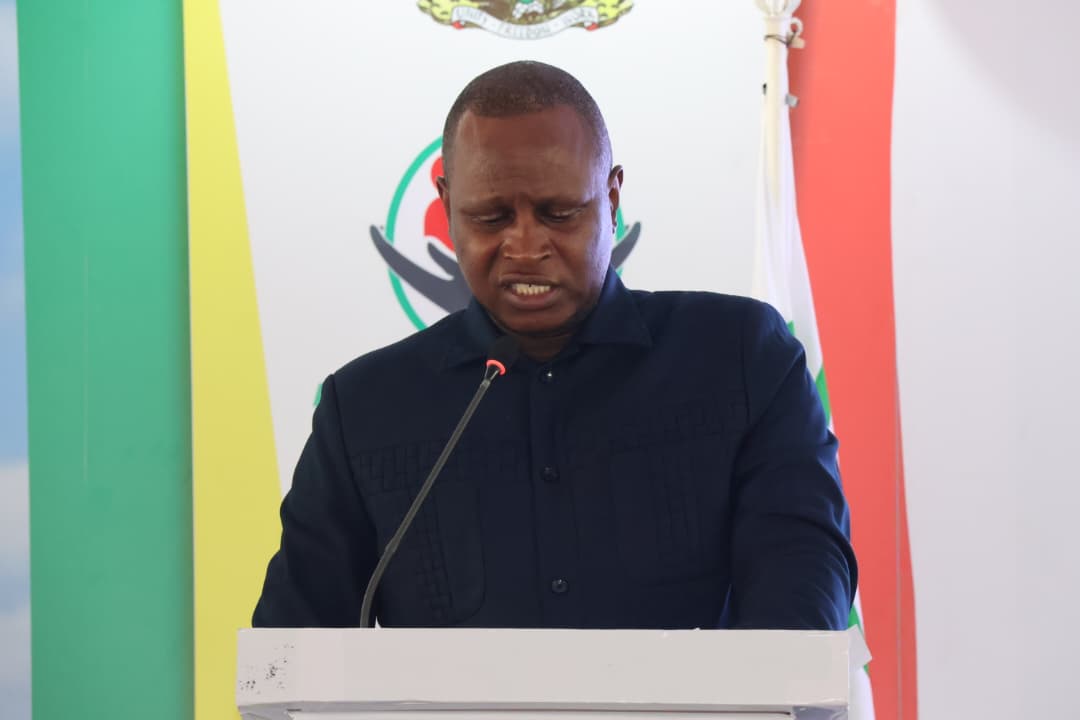
Speaking during the consultation, Ministry of Primary and Secondary Education communications officer Mr Rainos Mukanya said while the Government remains the principal financier of education, partnerships with the private sector, development agencies and civil society are essential to bridge funding gaps and strengthen the education system.
“The Government enacted policies that are favourable to public–private partnerships,” said Mr Mukanya.
“We applaud this initiative because it supports the constitutional right to education. As a ministry, we welcome any partners who are willing to work with us in supporting education, and it is our hope and wish that no learner should miss out on education due to underfunding, poor infrastructure, poor remuneration of staff, among others.”
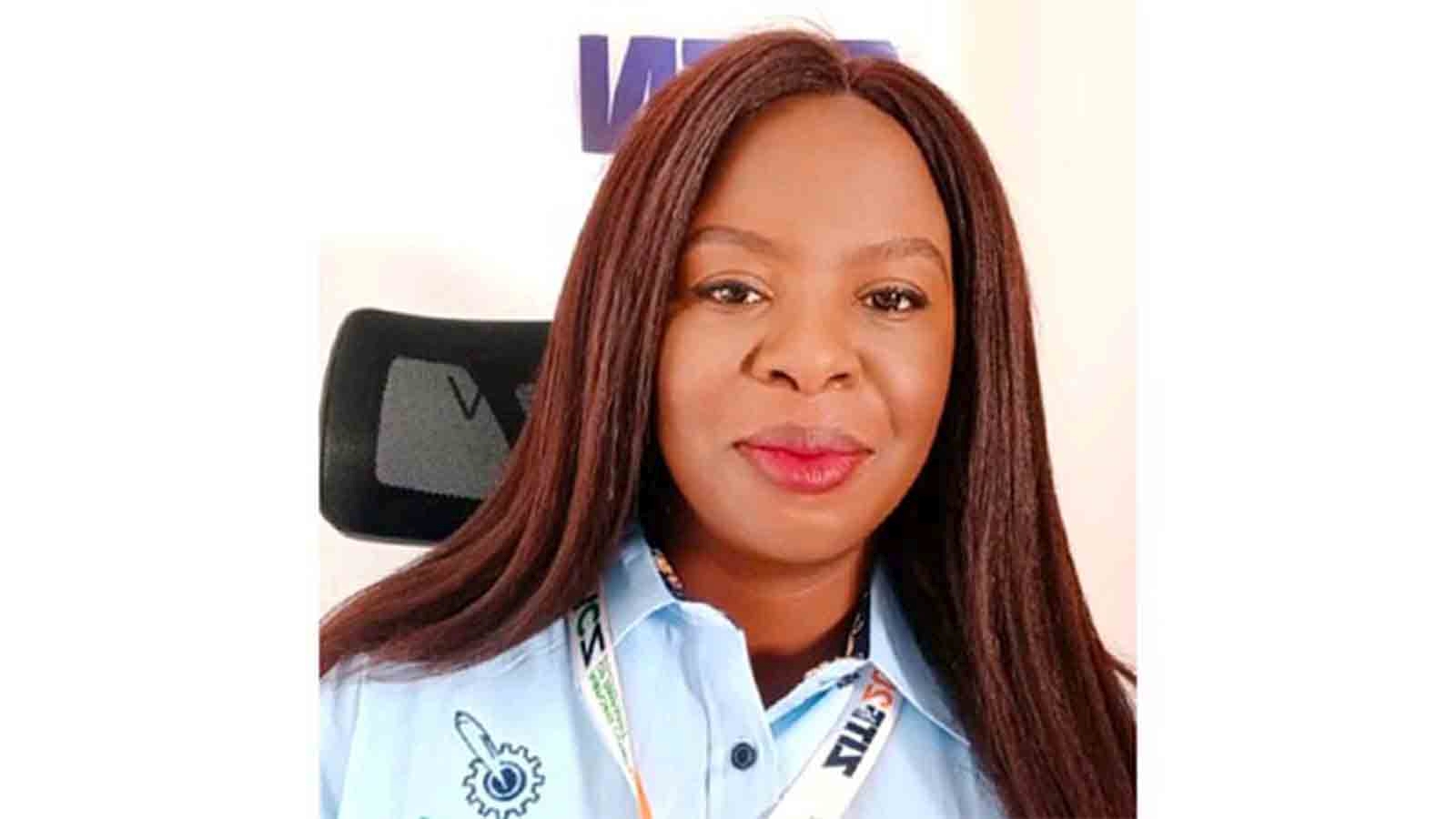
ZINECDA director Ms Marceline Kahlari said education was the engine for economic development, the bedrock of democracy, and the key to unlocking the potential of every Zimbabwean child.
“The future of our great nation is, quite literally, in our classrooms today. We must begin by acknowledging the strides we have made. We applaud the Government of Zimbabwe for its continued commitment to education, consistently allocating the largest share of the social sector budget to this critical sector,” she said.
“This is a testament to the priority we place on learning. However, we cannot overlook the reality that our current allocation, while significant, still falls significantly short of the international benchmarks—specifically, the Dakar Framework’s target of 20% and the Tashkent Declaration’s requirement of 10 percent of the national budget—whereas we currently stand at just 2.4 percent.”
She said when funds were allocated, persistent budget execution gaps continued to dilute the tangible impact of these resources on actual service delivery in schools.
“When funds are allocated, persistent budget execution gaps continue to dilute the tangible impact of these resources on actual service delivery in our schools,” she said.
“We see this in the shortages of learning materials, the infrastructure gaps, and the challenges faced by our dedicated teachers. We cannot rely solely on the fiscus to bridge these gaps. This is why today’s gathering is so vital.”
She said it was high time Zimbabweans moved beyond silos and embraced a culture of robust collaboration.
“The challenges we face are too complex for any one entity to solve alone. Therefore, we must come together—Government, Civil Society, the Private Sector, and Development Partners to mobilise resources collectively and support education,” she said.
“Education is key for every development; therefore, we must explore innovative financing mechanisms, engage the private sector as partners in development, and ensure that every dollar raised is directed towards where it matters most: the learner,” she said.
She said the Bill represented a transformative step towards ensuring the sustainable financing of our education sector, and she called upon partners to ensure its enactment.