admin
admin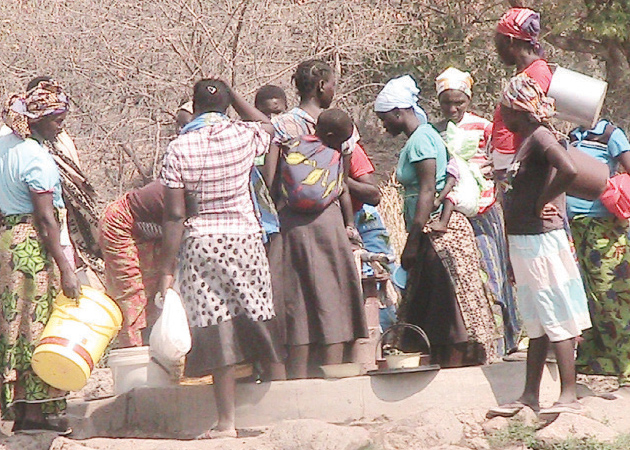

Bongani Ndlovu
IMAGINE having a set of brown teeth for the rest of your life! No amount of brushing or rinsing can ever remove the brown pigmentation that has been permanently seared on them. Such is life for villagers in Binga district’s Simatelele area. Dental fluorosis is caused by over-exposure to fluoride in the water one drinks. Boreholes that provide most of the water in Simatelele have a high concentration of fluoride which makes the teeth of many people in the area distinctly brown.
They call the condition “yellow meno.” Meno is Tonga for teeth.
“Children are suffering in this area. When they are born their first set of teeth will appear white but as they grow up and continue to drink this water their teeth will become discoloured,” said Simatelele Village head, Dollars Nyikamuleya.
The condition shows when someone is a child and develops right into adulthood.
According to the Colgate website, one’s permanent teeth form under their gums in the jawbone during early childhood. They appear in the mouth as the primary or “baby” teeth are lost. The crowns of nearly all of the permanent teeth are fully formed by the time one is about eight years old. The exception is the wisdom teeth, which form in young adulthood. The crown is the part of a tooth you can see in your mouth.
Consuming too much fluoride while the teeth are being formed can lead to dental fluorosis. This condition causes white or brown discolouration or spots on the enamel, or tooth surface. The effects can range from minor colour changes to surface irregularities of the teeth. Fluorosis does not develop after teeth have grown.
Fluorosis is a cosmetic condition, not a disease. Often, it is so mild that only a dental professional can detect it. Most cases of fluorosis result from young children taking fluoride supplements or swallowing fluoride toothpaste when the water they drink is already fluoridated.
The World Health Organisation also says dental fluorosis is caused by the ingestion of excess fluoride, most commonly in drinking-water.
Fluorosis can affect one’s teeth and bones. Moderate amounts lead to dental effects, but long-term ingestion of large amounts can lead to potentially severe skeletal problems. The dental effects of fluorosis develop much earlier than the skeletal effects in people exposed to large amounts of fluoride. Clinical dental fluorosis is characterised by staining and pitting of the teeth. In more severe cases all the enamel may be damaged.
WHO says the condition only affects children, as ingestion of fluoride after six years of age will not cause dental fluorosis. When children begin drinking the fluoride-concentrated water at a tender age they will be having milk teeth. When their adult teeth develop the fluoride would have absorbed into the body and the teeth come out brown-stained.
While it is not a disease, dental fluorosis is known to affect a person’s self-esteem especially for adolescents and young adults.
Women in Simatelele appealed to Government to address the water crisis and prevent the occurrence of yellow meno.
“Yellow meno is the popular term used to refer to people with discoloured teeth here in Simatelele. There are a lot of people who are affected. As you can see my teeth are also highly discoloured,” said Violet Muwombe from Chileya Village, revealing her teeth.
The Constitution of Zimbabwe guarantees the right to safe and clean drinking water. Chapter 4 on declaration of rights, Section 77 states: “Every person has the right to: safe, clean and potable water; and sufficient food; and the State must take reasonable legislative and other measures, within the limits of the resources available to it, to achieve the progressive realisation of this right.”
In Simatelele however, the water the people consume is unsafe, dirty and barely potable. It is a permanent crisis, which has left a permanent mark on the people’s appearance.
“The water is salty which we believe could be the cause of the problem. It is bitter to drink. But we have got used to it. You cannot drink it,” said Nyikamuleya.
Water from Mabuyu and Singozo villages is believed to be the most contaminated, as evidenced by the severity of dental fluorosis in the areas.
Villagers bemoaned lack of safe drinking water. Even that from the few boreholes in the areas was undrinkable and contaminated with fluoride.
“We have to wait at least 24 hours for the substances in the water to settle at the bottom before we drink it as it is highly salty and undrinkable,” said Marvis Mwindwe from Simatelele.
Despite efforts by health officials at Simatelele Clinic to give them water purifying tablets, water-borne diseases and conditions such as bilharzia and dental fluorosis are common.
”We do not boil the water, as we often get pills to purify it from village health workers here at Simatelele Clinic. But they sometimes run out of the pills and we have no choice but to give our children the contaminated water. At times one can easily see the worms and dirt inside the water but because we have no alternative source of drinking water, we continue to drink it,” she said.
The unsafe water that people in Simatelele drink results in most men suffering from bilharzia, dosyalozya in Tonga.
“It is a painful condition which causes one to urinate blood. Most of us have experienced this several times,” said Mike Munkuli from Bulawayo Kraal Village.
Despite significant efforts from non-governmental organisations to install boreholes in Simatelele, many still fetch water from open sources.
”The main problem is that when we draw water from the river we risk being attacked by crocodiles,” said Alice Mudimba.



 Online Reporter