Online Reporter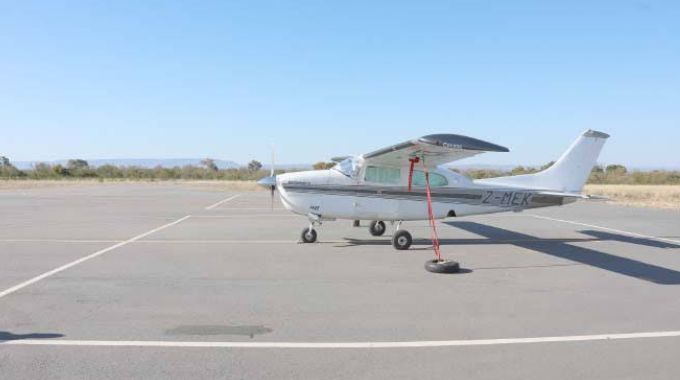
Sikhumbuzo Moyo, [email protected]
THE upgraded Binga Airstrip is recording an increase in traffic, with monthly landings of light aircraft rising from about three to an average of eight since the facility was transformed from a gravel strip into a standard tarred runway.
The improved airstrip is already boosting tourism, investment and business activity in the district, strengthening Government’s drive to unlock Binga’s economic potential through strategic infrastructure development.
The airstrip was upgraded by the Rural Infrastructure Development Agency (Rida) as part of a nationwide programme to modernise strategic airstrips and improve access to remote tourism destinations.
Rida director-general Mr Christopher Shumba said the investment was already delivering positive results, with more aviation operators using the facility
“As you would have noted, the Binga Airstrip received a makeover that saw it being upgraded from a gravel strip to a standard tarred runway over the past year. This initiative by the Rural Infrastructure Development Agency was in keeping with the Second Republic’s drive to spur social and economic development across the country, with Binga being recognised as a key economic corridor,” said Mr Shumba.
He said aircraft movements now average between four and eight landings a month, compared to about three before the upgrade.
“While the numbers may still appear modest, the steady increase we are witnessing this year reflects growing confidence by aviation players in the improved infrastructure. We expect traffic to continue increasing as Binga consolidates its position as one of Zimbabwe’s premier tourism destinations,” he said.
To support the growing demand, RIDA is using its strategic business unit, Falcon Air, to provide charter services for tourists, business travellers and local passengers.
“On our part, we are also supporting this growth through Falcon Air by offering charter services to tourists, local and business travellers. Over time, as more aviation players establish routes to Binga, this should contribute to increased utilisation of the airstrip while supporting tourism and broader local economic development within the district,” said Mr Shumba.
The airstrip upgrade aligns with the Government’s broader infrastructure transformation programme under the Second Republic aimed at accelerating socio-economic development in Binga through improved transport and public services that leave no one and no place behind.
Last week, Vice-President Kembo Mohadi commissioned the Kasambabezi Border Post, which has significantly improved connectivity between Zimbabwe and Zambia and is now handling close to 2 000 travellers daily.
To complement the border post, Government has announced plans to introduce a dedicated vessel capable of ferrying both passengers and vehicles across the Zambezi River. The vessel, to be provided through the Ministry of
Transport and Infrastructural Development, is expected to stimulate cross-border trade, tourism and regional integration.
Construction of Binga’s Civil Registry office, which will offer passport and other registration services, is also nearing completion. Home Affairs and Cultural Heritage Minister Kazembe Kazembe recently said the facility is about 70 percent complete and is expected to be commissioned before the end of the year, bringing essential Government services closer to local communities.
Richly endowed with Lake Kariba, natural hot springs, abundant wildlife, fishing, boating, crocodile farming and a unique cultural heritage, Binga has long been recognised as one of Zimbabwe’s most promising tourism destinations.
To unlock this potential, Government is implementing the Integrated Development Programme and the Conceptual
Development Framework for the Victoria Falls-Hwange-Binga Special Economic Zone. The initiative seeks to create a vibrant tourism and investment corridor stretching from Kazungula through Victoria Falls, Hwange, Binga, Sijalila and Kariba, with links to the Lake Gwayi-Shangani area, in line with Vision 2030.
Improved air connectivity is expected to play a pivotal role in opening up the district to investors and tourists, increasing visitor arrivals, stimulating business activity and strengthening Binga’s contribution to the national economy.