

 Online Reporter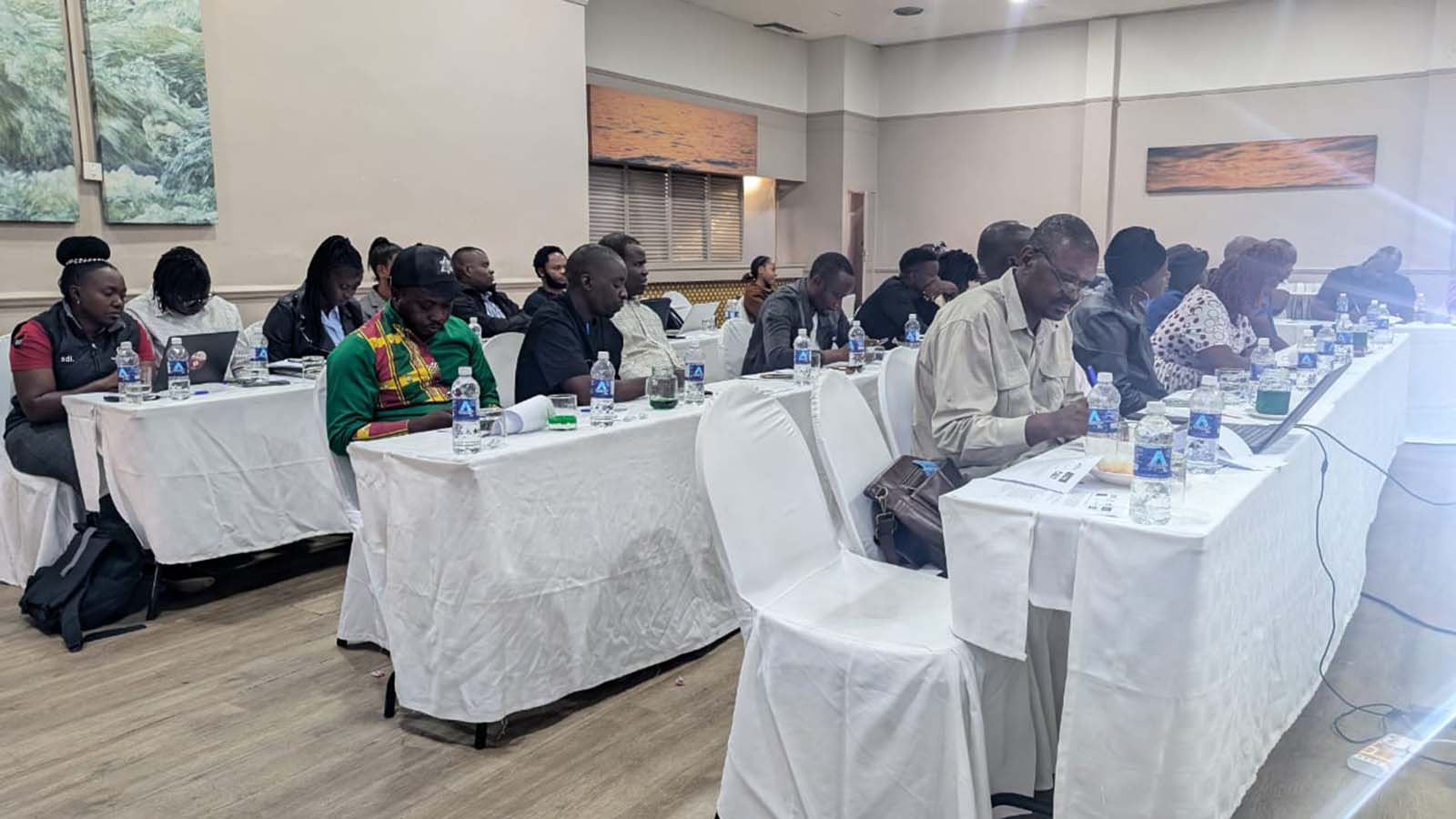
Ivan Zhakata
Herald Correspondent
URBAN markets and the informal sector have become the backbone of employment creation in African cities, amid rapid urbanisation without corresponding industrial growth, a senior urban development expert has said.
Speaking at the Action Research on Urban Markets (ACRC) dialogue meeting in Harare on Friday, Development Governance Institute director Dr Kudzai Chatiza said most African cities were expanding without industrialisation, forcing the majority of new entrants into the labour market into informal economic activities.
Dr Chatiza said the ACRC initiative, which has been running since 2021, was conducting studies to understand how cities were growing and how urban systems, such as land management and infrastructure, can be harnessed to support development.
“We are trying to understand how African cities are growing in the absence of industrialisation,” he said.
“These studies are meant to inform both local and national governments in terms of urban development and management.”
He said the research focuses on key areas including land use, infrastructure and value capture mechanisms with the aim of strengthening urban governance and improving planning systems.
Dr Chatiza said findings from the studies will guide policymakers, urban planners and development partners on how best to support sustainable urban growth.
“As cities grow, we need evidence that helps those making policies, those teaching urban development and those funding development programmes to understand what is happening and how best to respond,” he said.
Dr Chatiza said while urban markets and informal enterprises are generating significant employment opportunities, they remain difficult to regulate and support.
“It may be informal, but people are earning and living out of that. However, it is difficult to regulate and even to support,” he said.
“If we want people to formalise and participate in more productive work, we need to understand how these markets are functioning.”
Dr Chatiza said the research seeks to establish the extent to which urban markets are working, the challenges they face and the role local authorities are playing in managing them.
“The idea is that when we engage city authorities, we can present clear evidence on what is working, what is not working and what can be done, including possible pathways for reform,” he said.
The ACRC project is being implemented in several African cities, including Harare, Nairobi, Kampala, Accra and Lagos, allowing for comparative learning and sharing of best practices.
Dr Chatiza said the initiative also examines different models of market development, including privately and publicly developed markets, to determine sustainable approaches.
He said the research supports efforts to build inclusive cities in line with national development priorities and the Sustainable Development Goals.
“To ensure that no one is left behind, we must first understand why certain groups have been excluded and what factors contribute to that exclusion,” he said.
Dr Chatiza said urban development interventions should be anchored at the local level, where most challenges manifest.
“These issues happen at the street level, which falls under the responsibility of city authorities. National Government can then come in to support and strengthen the capacity of cities to deliver,” he said.



