


 peter
peter
Vincent Gono, News Editor
THE graduation of settlements into urban areas will only be done on the basis that they are supported by gainful economic activities to avoid a haphazard and chaotic mushrooming of informal settlements that compound communities’ vulnerability to poor living conditions and to vagaries of climate change, an official has said.
The development comes at the back of President Mnangagwa’s instructive wisdom that settlements were not just supposed to be demographic propositions that add to rural pauperisation but should aim to transform people’s lives through gainful economic activities that support livelihoods.
Communications director in the Ministry of Local Government and Public Works Mr Gabriel Masvora said the ministry was working with all local authorities to curb the sprouting of settlements that were not supported by economic developments in line with president Mnangagwa’s pronouncements.
He said it had also been noted that such unregularised settlements were prone to natural disasters such as cyclones and flooding while others were interfering with important ecological sites as wetlands and floodplains.
“We are working with local authorities to ensure that all settlements are done properly and orderly. Careful planning should go into all settlements so that we minimise harm to people’s lives through the effects of natural disasters that have become common due to changes in climate. We also want settlements that speak to modernity in line with the national vision of having an upper middle-income economy by 2030. We therefore continue to urge local authorities under whose jurisdiction such settlements fall to ensure they are established within the confines of the law and that they are backed by economic activities,” said Mr Masvora.
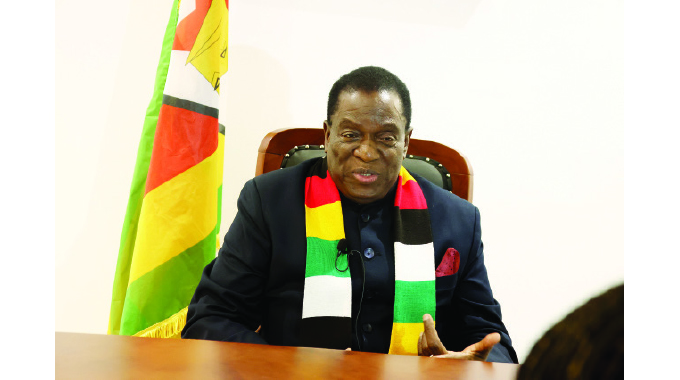
President Mnangagwa highlighted in one of his weekly instalments in this paper that while it is good that the concept of devolution has brought with it the development of growth points that will burgeon into towns and cities, it was critical to ensure that the transformation to urbanity is underpinned and driven by gainful economic activity as opposed to concentrated human settlement.
Buttressing on President Mnangagwa’s submissions, acting director for civil protection Mr Nathan Nkomo said informal settlements were presenting a challenge in the management of the environment in view of preventing floods and preserving the ecosystem. He said proper establishment and management of settlements was critical for the preservation of grazing lands, fauna and flora the general reduction of disaster.
“It is critical that siting of settlements be alive not only to gainful economic activities but to wetlands, undesignated and unsuitable sites such as mountain slopes and protection of forests, plantations and wildlife to avert destruction of houses and loss of property,” said Mr Nkomo.
The Second Republic has vigorously pursued the rural industrial development vision where industrial hubs have been developed to give rural communities the momentum to develop through value adding to the natural resources at their disposal as President Mnangagwa walks the talk on his “leaving no one and no place behind” development philosophy.
The concept has seen the development of Makororo nutritional gardens in Mangwe district in Matabeleland South that is built in the mould of the Marula Processing Plant in Mwenezi that has tremendously improved the villagers’ lives.



 Bongani Ndlovu
 Online Reporter