admin
admin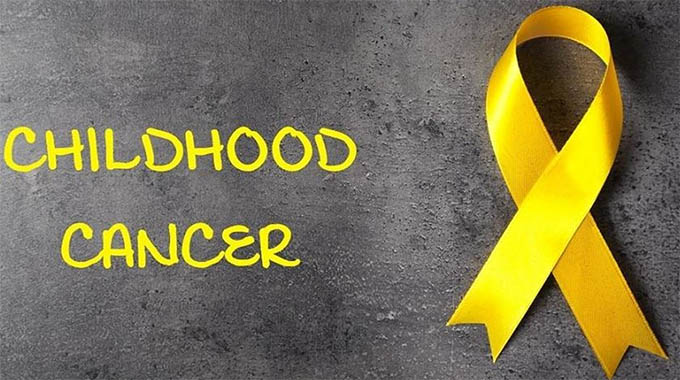
Rumbidzayi Zinyuke
Health Buzz
Childhood cancer is a silent epidemic that casts a devastating shadow on innocent lives.
While adults similarly face the daunting challenges of cancer, the impact on children is particularly heart-breaking.
The disease, coupled with its often aggressive treatments, can rob young patients of their childhood, leaving them physically and emotionally scarred.
The pain they endure is unimaginable, and the impact on both the patient and the family is immeasurable.
September marks Childhood Cancer Awareness Month, a poignant reminder of the devastating impact of this disease on young lives.
Despite advancements in medical research, childhood cancer remains a leading cause of death among children worldwide. This alarming reality underscores the critical need for increased awareness and early detection. The statistics are staggering.
Each year, an estimated 400 000 children and adolescents aged 0-19 years develop cancer.
In high-income countries, where comprehensive services are generally accessible, more than 80 percent of children with cancer are cured.
However, in low- and middle-income countries, less than 30 percent are cured.
Avoidable deaths from childhood cancers in these countries often result from lack of diagnosis, misdiagnosis or delayed diagnosis, obstacles to accessing care, abandonment of treatment, death from toxicity, and relapse.
According to the National Cancer Registry, paediatric cancers accounted for 3,7 percent of all the cancers recorded in Zimbabwe in 2018.
The most common paediatric cancers included leukaemia, renal tumours, retinoblastoma, lymphoma, soft tissue, central nervous system, bone tumours and neuroblastoma.
What causes cancer in children?
Cancer occurs in people of all ages and can affect any part of the body.
It begins with genetic change in single cells, that then grow into a mass (or tumour), that invades other parts of the body and causes harm and death if left untreated.
Unlike cancer in adults, the vast majority of childhood cancers do not have a known cause. Many studies have sought to identify the causes of childhood cancer, but very few cancers in children are caused by environmental or lifestyle factors.
Some chronic infections, such as HIV, Epstein-Barr virus and malaria, are risk factors for childhood cancer, particularly in low and middle income countries.
Dr Patience Kuona, a paediatric haemato-oncologist at Parirenyatwa Group of Hospitals says cancer in children is often not understood.
“We all know about cancer in adults. But the mechanism of cancer in children is different from adults. Adult cancers are to do with the body which is aging and our repair mechanisms are no longer working efficiently so we start getting cancers. So we have been exposed to this environment for a long time, infections, the sun, toxins in the sun, the air we breathe, the water we drink. So our systems become overwhelmed as they age and the adult cancers start.
“In children it is different. It is not about infection; neither is it really about the environment. The majority of childhood cancers are to do with the genetic makeup. They have young cells, good repair mechanisms but genetic disorders that then predispose them to cancer. Some children are born with conditions that predispose them to cancer,” she said.
Current data suggest that approximately 10 percent of all children with cancer have a predisposition because of genetic factors.
While childhood cancers cannot generally be prevented or identified through screening, most of them can be cured with generic medicines and other forms of treatment, including surgery and radiotherapy.
Hence childhood cancer remains a critical issue that demands collective attention.
The implications of a childhood cancer diagnosis extend far beyond an individual minor.
These diagnoses come with a cascade of emotional, financial, and physical challenges for families. Parents are often thrust into a world of medical jargon, treatment protocols, and uncertainty about their child’s future.
Alongside the emotional turmoil, the financial burden can also be overwhelming.
Many families may find themselves burdened with mounting medical bills, travel costs, and lost income due to time away from work.
For many, the ripple effects of this diagnosis are felt not just in the present, but for years to come.
The impact on the child is equally tragic. The rigorous treatment regimens that include chemotherapy, radiation, surgeries, while necessary, can lead to a host of side effects.
They face not only the immediate challenges of battling cancer but also long-term consequences such as developmental delays and potential secondary cancers. The loss of time spent in school, with friends, and in the simple joys of growing up cannot be understated.
Therefore, one of the most crucial aspects of tackling childhood cancer becomes the emphasis on early diagnosis.
The earlier cancer is detected, the better the chances for effective treatment.
Parents and caregivers are often the first line of defence; being vigilant about any unusual symptoms is key.
These may include persistent fatigue, unexplained fevers, unusual lumps, or sudden changes in behaviour. However, recognising these signs can be challenging, especially since they often mimic benign childhood illnesses.
According to Sister Charity Kawadza, a nurse with KidzCan, parents should not ignore any symptoms their child presents with.
“Adults often visit the doctor as soon as they feel pain that they do not understand but the same does not happen with children. Many caregivers ignore the child when they complain of pain in any part of the body until they see that the pain has become too intense and the child fails to sleep or play. This is not how it should be. We should always take children’s complaints seriously so that we rule out any forms of cancer,” she said.
She said specific symptoms of cancer in children included fatigue or weakness, unexplained weight loss, pain or swelling or lumps in the body.
In 2018, the World Health Organisation launched, with the support of St. Jude Children’s Research Hospital, the Global Initiative for Childhood Cancer, to provide leadership and technical assistance to governments to support them in building and sustaining high-quality childhood cancer programmes.
The goal is to achieve at least 60 percent survival for all children with cancer by 2030.
But this can only be achieved through sustained awareness raising.
Why awareness matters
Education plays a vital role in the fight against childhood cancers. It is important to educate parents, communities as well as healthcare workers to ensure that the signs of childhood cancer are better understood and recognised.
Initiatives that promote routine check-ups and discussions about the health of children can help catch these diseases at an earlier, more treatable stage.
Childhood cancer is not just a statistic; it is a reality for countless families.
By shining a light on this difficult topic, we can stimulate solidarity, support, and education.
Together, we can make strides towards a future where childhood cancer is not an insurmountable challenge, but one that can be faced with knowledge, compassion, and hope.
Every child deserves a chance to live their fullest life, unburdened by the shadows of cancer.
Feedback: [email protected]


 Online Reporter