Online Reporter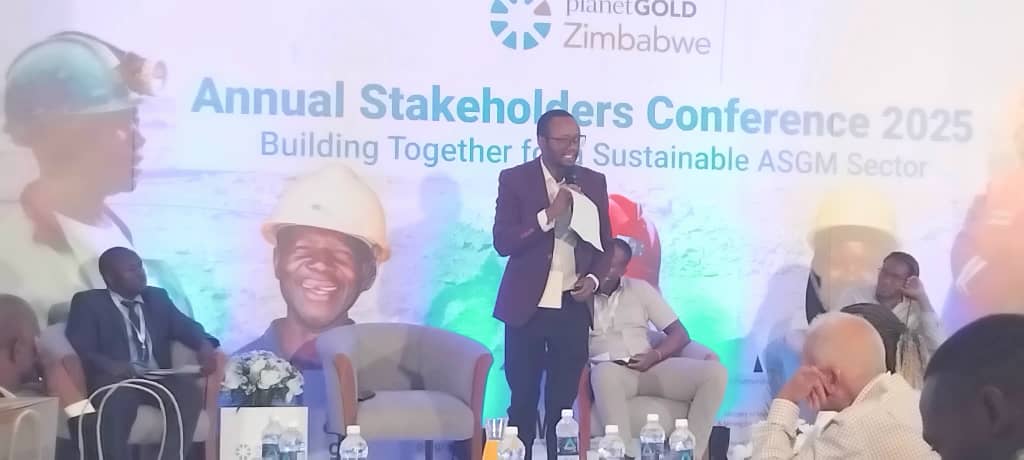
Nqobile Bhebhe in Harare
THERE is an urgent need to strengthen healthcare services for artisanal and small-scale miners (ASMs), who are exposed to numerous health hazards in their daily operations, a health expert has said.
Speaking at the ongoing planetGOLD Zimbabwe Annual Stakeholders Conference in Harare on Monday, Médecins Sans Frontières (MSF) representative, Dr Munyaradzi Sidakwa, said artisanal miners in Gwanda District were among the most affected.
“There is a high disease burden among artisanal miners. HIV (17.6 percent prevalence) and TB (124/100,000) are prevalent, with a high loss to follow-up among ASMs,” said Dr Sidakwa.
He noted that sexually transmitted infections (STIs) were also rife within mining communities.
“High rates of STIs and reports of reinfections are common — 58 percent of STI diagnoses in the district come from mining areas. We also realise that miners are exposed to stressful working and living conditions,” he said.
Dr Sidakwa added that many miners also suffer from non-communicable diseases linked to poor living and working environments.
“There are also high rates of chronic illnesses such as hypertension, diabetes and asthma,” he said.
He said MSF’s expected outcomes include improved access to healthcare and early treatment for artisanal and small-scale gold miners (ASGM) and surrounding host communities.
“Generate scientific-based evidence around the risks of mercury and other heavy metals in the local context, waste and wastewater management, including vector control,” he said.
Dr Sidakwa also called for the adoption of innovative mobile clinic models to reach remote mining sites.
“There is also need for innovative mobile clinic intervention models such as tents, GIS and site selection,” he said, adding that continuous monitoring and adaptive programming were vital for sustainable results.
“Adaptation of activities based on continuous assessment findings and regular monitoring is also critical,” he said.